

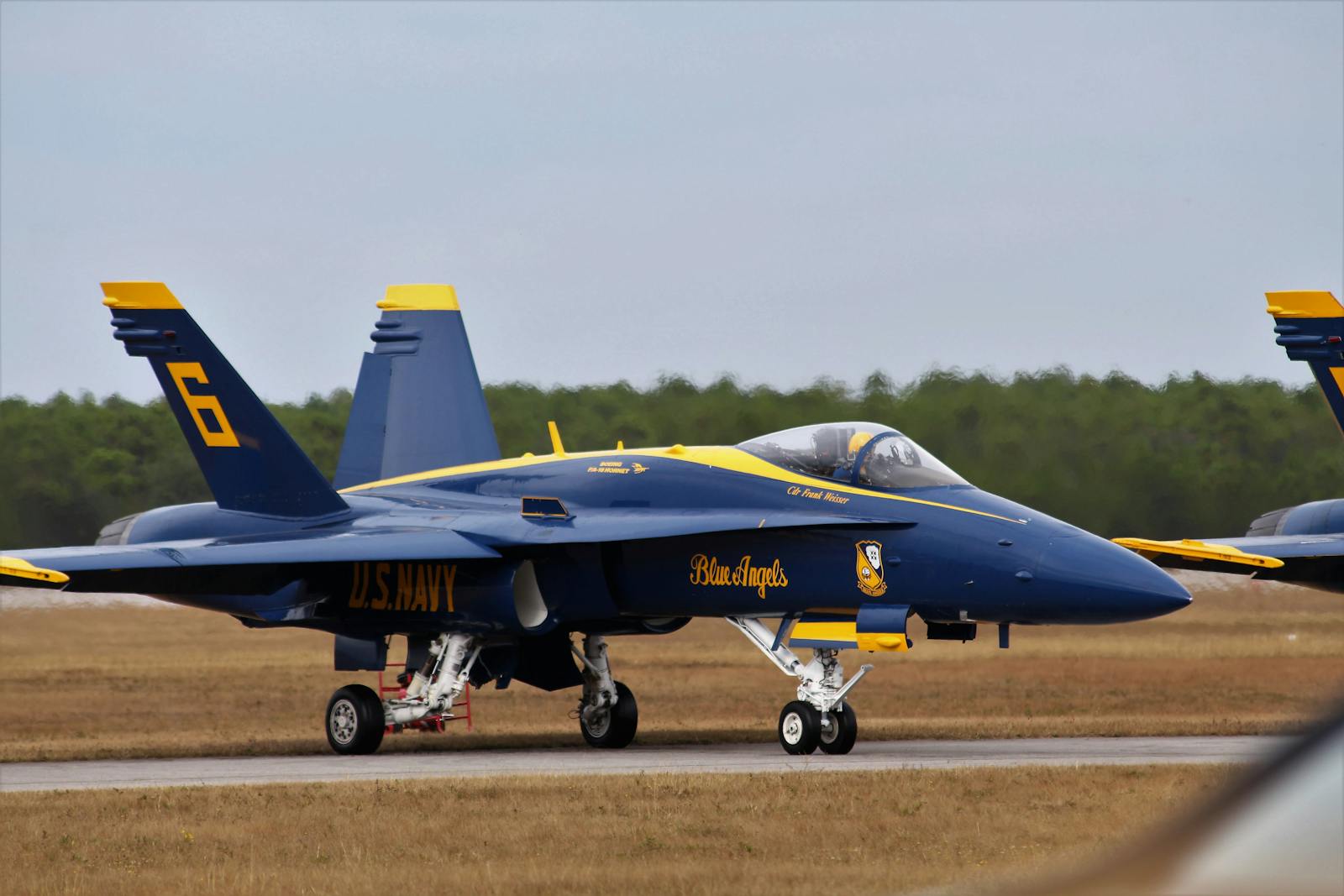
Six aircraft have been celebrated for their groundbreaking engineering, affecting not just the aviation industry but also the broader fields of transportation and technology. These planes, ranging from military fighters to commercial airliners, have set benchmarks in design, efficiency, and performance, and continue to inspire future innovations. Their legacies serve as a reminder of human ingenuity and the relentless pursuit of advancement in aviation.
The Boeing 747: A Revolution in Air Travel
Introduced in 1970, the Boeing 747 was the first wide-body airliner, revolutionizing air travel by making it more accessible to the masses. With a capacity to carry over 400 passengers, the 747 drastically reduced the cost per seat mile, reshaping the airline industry and making long-distance travel feasible for millions. In total, more than 1,500 units were produced, and its distinctive hump has become an icon of aviation.
The Concorde: Supersonic Speed
The Concorde, which began commercial service in 1976, remains one of the most significant achievements in aviation history for its ability to fly at over twice the speed of sound. Capable of reaching speeds up to 1,354 mph, this supersonic passenger aircraft drastically reduced transatlantic flight times to under three hours. Despite its retirement in 2003, the Concorde’s advanced engineering continues to influence the development of modern aircraft and inspires ongoing research into supersonic travel.
The Lockheed SR-71 Blackbird: Pushing the Limits
Developed in the 1960s, the Lockheed SR-71 Blackbird was designed for reconnaissance missions at altitudes of 85,000 feet and speeds exceeding Mach 3. Its unique shape and materials allowed it to evade enemy radar and interceptors, making it a masterpiece of Cold War engineering. The SR-71’s capability to cover 2,900 miles in less than an hour set records that remain unbroken, showcasing how engineering can push the boundaries of what is possible in military aviation.
The Airbus A380: The World’s Largest Passenger Airliner
Launched in 2005, the Airbus A380 marked a significant milestone as the world’s largest passenger airliner, capable of seating up to 850 passengers in a single-class configuration. Its two full-length passenger decks allowed airlines to increase capacity on busy routes, enhancing operational efficiency. With over 250 units delivered before its production ended in 2021, the A380 redefined long-haul travel and remains a staple of major international airports.
The Bell X-1: Breaking the Sound Barrier
The Bell X-1, first flown in 1947, was the first aircraft to break the sound barrier, achieving a speed of Mach 1.06. This groundbreaking achievement was vital in proving that supersonic flight was possible, paving the way for future military and commercial aircraft. The X-1’s design, featuring a rocket engine and a streamlined fuselage, set engineering standards that are still relevant in aerospace design today.
The Cessna 172: A Training Icon
Since its introduction in 1956, the Cessna 172 has become the most produced aircraft in history, with over 44,000 units built. Known for its reliability, ease of handling, and affordability, the Cessna 172 has become the go-to aircraft for flight training around the world. Its enduring popularity underscores the importance of effective design in fostering the next generation of pilots.
Conclusion: Honoring Engineering Excellence
These six aircraft represent milestones in aviation engineering, each contributing to advancements that have shaped the industry. From commercial airliners like the Boeing 747 and Airbus A380 to military marvels such as the SR-71, these planes not only highlight engineering ingenuity but also underscore the importance of innovation in aviation. As technology continues to evolve, these aircraft will serve as benchmarks for future developments.
The legacy of these engineering giants is a call to action for the current and next generation of engineers and innovators. As the aviation industry faces challenges such as sustainability and efficiency, the lessons learned from these aircraft will guide future designs. Understanding and appreciating the technological breakthroughs of the past can inspire new advancements, ensuring that aviation continues to soar to new heights.