

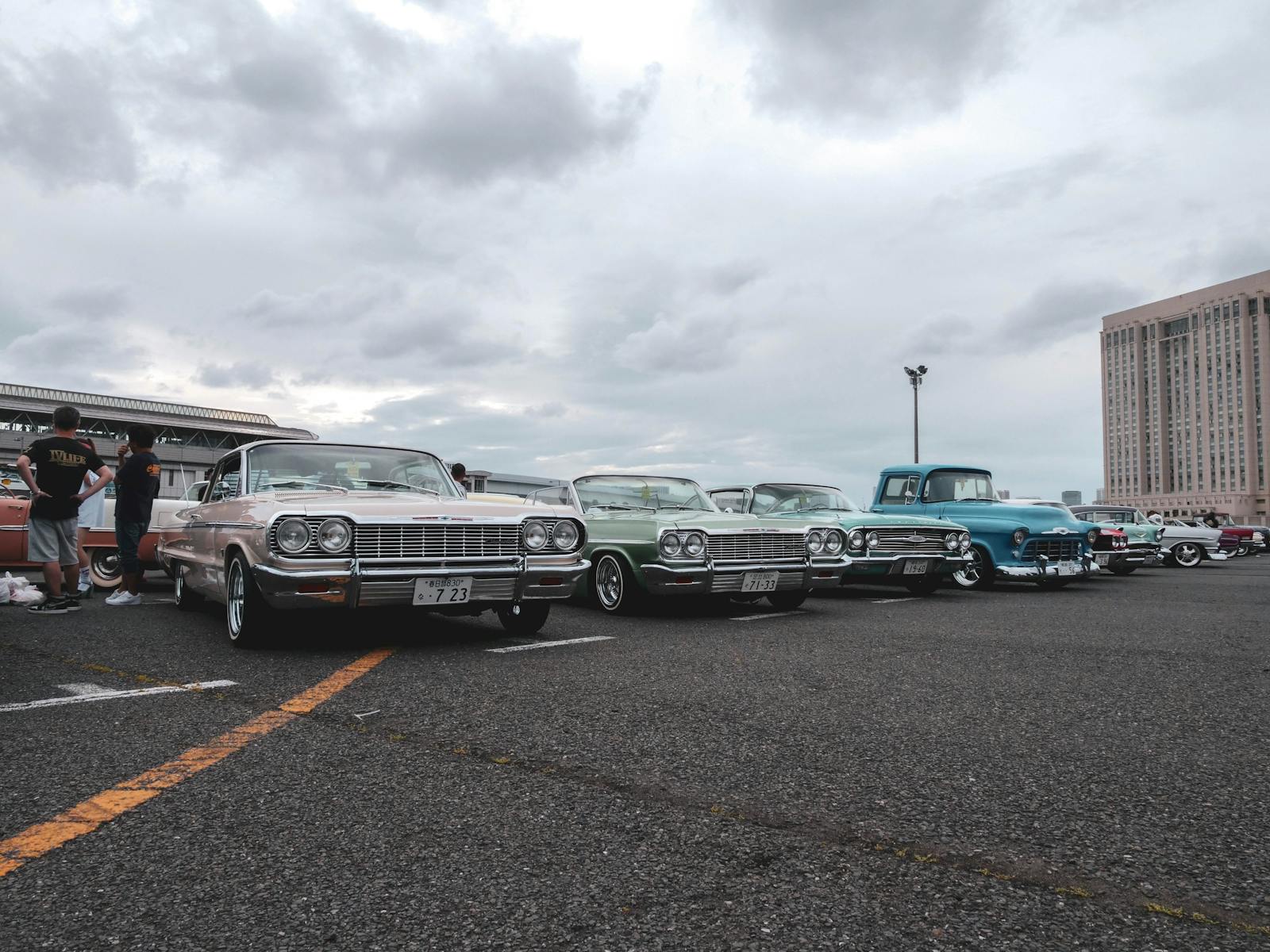
The enduring appeal of muscle cars among Baby Boomers is highlighted by five iconic models that continue to resonate with this generation, solidifying their love for gas-powered engines. As electric vehicles gain traction, these classic automobiles remain a testament to a bygone era of American automotive design and performance, with many Boomers favoring the nostalgic roar of a V8 engine over the quiet hum of an electric motor. This preference underscores a cultural connection to the muscle car era of the 1960s and 1970s, making these vehicles not just modes of transportation, but symbols of freedom and individuality.
1. Ford Mustang (1964-Present)
Since its introduction in 1964, the Ford Mustang has become synonymous with American muscle. The 2022 Ford Mustang GT, for example, boasts a 5.0-liter V8 engine that produces 450 horsepower, allowing it to accelerate from 0 to 60 mph in just 4.2 seconds. This blend of power and performance continues to attract Baby Boomers who fondly remember the thrill of driving a Mustang during its heyday, making it a timeless choice that remains a staple in the muscle car market.
2. Chevrolet Camaro (1967-Present)
The Chevrolet Camaro, first launched in 1967, has maintained its status as a favorite among muscle car enthusiasts. The 2022 model offers a thrilling 6.2-liter V8 engine option that delivers an impressive 455 horsepower. With its aggressive styling and robust performance, the Camaro remains a symbol of youthful rebellion and freedom that resonates deeply with Boomers, who often recount stories of cruising in their classic Camaros during the golden age of muscle cars.
3. Dodge Charger (1966-Present)
The Dodge Charger has evolved significantly since its inception in 1966, but its performance roots remain intact. The 2022 Charger R/T model features a 5.7-liter HEMI V8 engine that produces 370 horsepower, combining modern technology with classic muscle car aesthetics. For Boomers, the Charger represents a powerful connection to the past, especially considering its prominent role in American car culture and film, such as its iconic presence in the “Fast and Furious” franchise.
4. Pontiac GTO (1964-1974, Reintroduced in 2004-2006)
The Pontiac GTO is often credited with kicking off the muscle car craze in the 1960s. Although it was discontinued in 1974, the vehicle made a brief comeback from 2004 to 2006, featuring a robust 6.0-liter V8 engine that produced 400 horsepower. Boomers who owned or aspired to drive a GTO during its original run often recall the excitement of the car’s powerful performance and distinctive styling, making it a cherished piece of automotive history.
5. Dodge Challenger (2008-Present)
The modern Dodge Challenger, reintroduced in 2008, pays homage to its classic predecessors while incorporating contemporary performance technology. The 2022 Challenger SRT Hellcat, for example, boasts a supercharged 6.2-liter HEMI V8 engine that generates an astounding 717 horsepower. The Challenger’s retro design and powerful performance make it a favorite among Boomers who appreciate the nostalgia of classic muscle cars while enjoying the cutting-edge engineering of today’s models.
The Cultural Significance of Muscle Cars
For many Baby Boomers, muscle cars are not just vehicles; they represent a cultural phenomenon that shaped their youth. The roar of a gas engine and the feel of a powerful car on the open road evoke memories of freedom and adventure, making these cars a cherished part of their identity. As the automotive industry shifts towards electric and hybrid vehicles, the emotional connection that Boomers have with gas-powered muscle cars remains strong, emphasizing the importance of preserving this aspect of automotive history.
Conclusion: The Future of Muscle Cars in a Changing Automotive Landscape
Despite the increasing popularity of electric vehicles, muscle cars continue to hold a special place in the hearts of Baby Boomers. The models mentioned above illustrate why these vehicles are not likely to fade into obscurity anytime soon. As enthusiasts continue to celebrate and cherish these powerful machines, it is crucial for the automotive industry to recognize and honor the legacy of muscle cars while adapting to the changing landscape.
With a growing interest in classic cars and muscle car culture, now is the perfect time for readers to explore the world of muscle cars. Whether considering a purchase or simply appreciating these iconic vehicles, engaging with this aspect of automotive history is essential.