

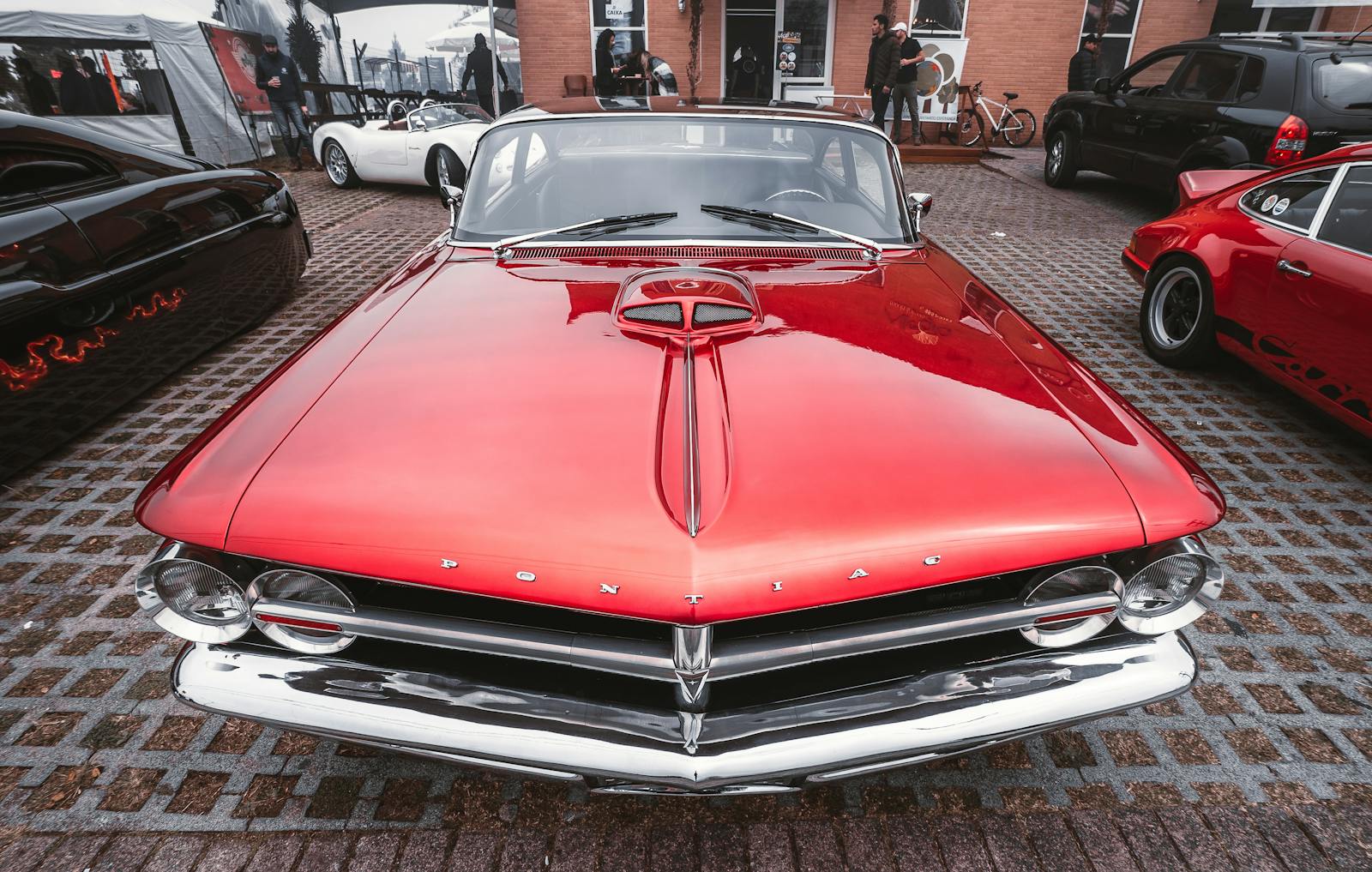
Six iconic American muscle cars have left an indelible mark on automotive history, shaping consumer preferences and influencing car manufacturing trends. These vehicles, characterized by high performance and bold designs, have not only captured the hearts of car enthusiasts but also defined a segment of the automotive market vital to American culture. Understanding their impact can provide insights into the evolution of the automotive industry and the preferences of American drivers.
1. Ford Mustang (1964)
The Ford Mustang, introduced in 1964, is often credited with launching the “pony car” segment, characterized by affordable performance vehicles with long hoods and short rear decks. The Mustang quickly became a cultural icon, with over 10 million units sold since its debut. Its introduction solidified Ford’s position in the automotive market while appealing to a generation seeking freedom and excitement during the tumultuous 1960s.
2. Chevrolet Camaro (1966)
Launched in 1966 as a direct competitor to the Ford Mustang, the Chevrolet Camaro quickly made its mark in the automotive world. The Camaro offered a range of powerful engines and customizable options, attracting a broad audience. With more than 5 million units sold since its inception, the Camaro solidified Chevrolet’s reputation as a formidable player in the muscle car market and has remained a staple of American automotive culture.
3. Dodge Charger (1966)
The Dodge Charger made its debut in 1966, combining high performance with a distinctive design that emphasized its aggressive stance. The Charger gained notoriety in the 1970s due to its appearance in films and television, including the iconic “Dukes of Hazzard.” With a strong sales record, particularly in the late 1960s and early 1970s, the Charger has become synonymous with muscle car performance and style, influencing subsequent generations of sports sedans.
4. Pontiac GTO (1964)
Often regarded as one of the first true muscle cars, the Pontiac GTO was introduced in 1964 and set the standard for high-performance vehicles. The GTO combined a powerful V8 engine with a lightweight body, resulting in a thrilling driving experience. Its success helped define the muscle car genre, leading to increased competition among automakers. By the end of its production in 1974, over 500,000 GTOs had been sold, cementing its legacy in automotive history.
5. Chevrolet Corvette (1953)
The Chevrolet Corvette, debuting in 1953, is often considered America’s sports car, blending sleek design with high performance. The Corvette has undergone numerous transformations over the decades, continually pushing the boundaries of technology and speed. With sales surpassing 1.5 million units, the Corvette has influenced both the muscle car and sports car markets, showcasing the potential of American engineering and design.
6. Plymouth Barracuda (1964)
The Plymouth Barracuda, introduced in 1964, was one of the first vehicles to tap into the sporty coupe market. While it initially struggled to capture the same level of fame as its competitors, the Barracuda gained popularity with its third-generation model, particularly the powerful HEMI versions. The Barracuda’s unique styling and performance capabilities have made it a sought-after classic car, influencing future designs in the muscle car segment.
Conclusion
These six muscle cars—Ford Mustang, Chevrolet Camaro, Dodge Charger, Pontiac GTO, Chevrolet Corvette, and Plymouth Barracuda—have not only changed the face of automotive history but have also become cultural icons. Their influence extends beyond performance and design, shaping consumer expectations and the competitive landscape of the automotive industry. As electric vehicles gain traction, understanding the legacy of these muscle cars is crucial for both enthusiasts and industry stakeholders.
For car lovers and history enthusiasts alike, the stories behind these vehicles reflect a rich heritage that continues to resonate today. Stay informed about the evolving automotive landscape and consider how these classic models have set the stage for the future of American cars. Explore more about these iconic vehicles and their significance, and join the conversation on how they continue to influence the automotive world.