

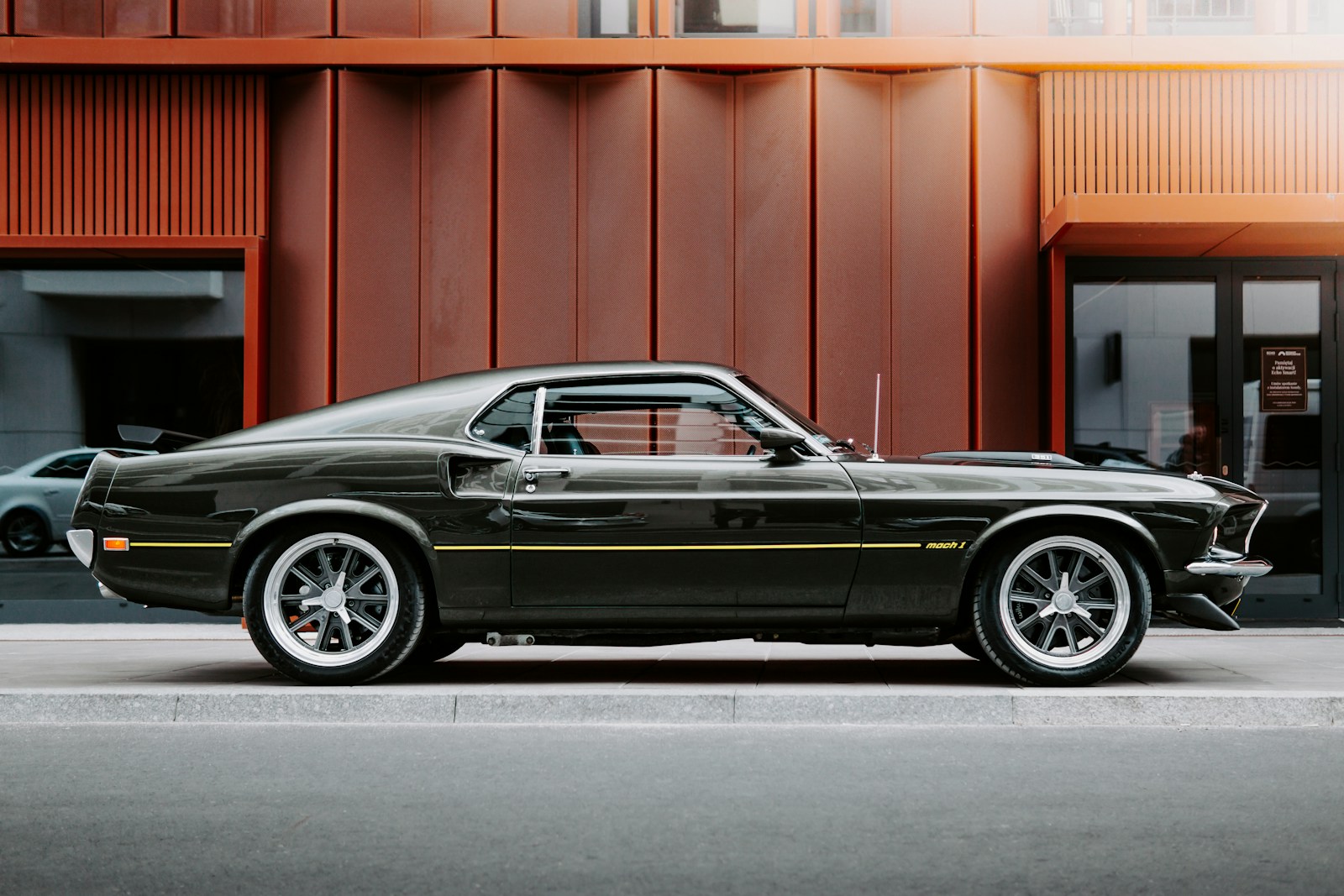
As automotive enthusiasts continue to debate the merits of modern vehicles versus classic cars, many Baby Boomers assert that certain models from the past were constructed with superior craftsmanship and reliability compared to today’s offerings. This sentiment is not just nostalgic; it reflects a growing concern among older generations about the perceived decline in vehicle quality and durability in the face of increasing technology and mass production. Understanding these claims sheds light on the values and expectations of car buyers, particularly among those who grew up during the golden age of American automobiles.
1. 1964 Ford Mustang
The Ford Mustang, introduced in 1964, is often heralded as a symbol of American automotive freedom and performance. Boomers argue that its simple yet robust design, coupled with a powerful V8 engine option, made it a more reliable choice than many modern sports cars. The original Mustang’s focus on driver experience, with minimal electronic intervention, resonates with enthusiasts who feel that today’s vehicles are overly complicated, leading to higher maintenance costs and repairs.
2. 1957 Chevrolet Bel Air
Regarded as one of the most iconic cars of the 1950s, the 1957 Chevrolet Bel Air is a favorite among classic car aficionados. Boomers often point to its solid construction and impressive fit and finish as evidence of superior manufacturing standards of the time. The Bel Air’s reputation is bolstered by its powerful V8 engine and stylish design, which many believe surpasses the aesthetics and performance of contemporary sedans.
3. 1969 Dodge Charger
The 1969 Dodge Charger is another classic that Baby Boomers frequently praise for its build quality. With a muscular design and powerful engine options, the Charger was a staple of American muscle cars. Many Boomers argue that the robust materials used in its construction lead to a level of durability that is hard to find in today’s lightweight, fuel-efficient models, which often prioritize economy over strength.
4. 1970 Plymouth Barracuda
Known for its bold styling and performance capabilities, the 1970 Plymouth Barracuda is often cited as an example of a car built to last. Enthusiasts claim that the engineering behind the Barracuda, including its heavy-duty suspension and solid body structure, contributes to a driving experience that many modern cars fail to replicate. This sense of reliability, combined with its muscle car heritage, makes it a benchmark for older generations when discussing automotive quality.
5. 1965 Volkswagen Beetle
The 1965 Volkswagen Beetle remains a symbol of durability and simplicity in automotive design. Boomers often highlight its air-cooled engine and minimalist mechanics as factors that contribute to its longevity and ease of maintenance. These characteristics stand in stark contrast to the complex electrical systems and technology-heavy vehicles prevalent today, which some argue can lead to more frequent repairs and higher costs over time.
6. 1971 Chevrolet Corvette
The 1971 Chevrolet Corvette is celebrated for its sleek design and performance capabilities. Many Boomers assert that the Corvette’s fiberglass body and powerful engine made it one of the most reliable sports cars of its time. In an era where flamboyant styling and performance were prioritized, the Corvette exemplified the craftsmanship that today’s consumers often find lacking in modern sports cars.
The Shift in Automotive Manufacturing
As the automotive industry has evolved, manufacturers have increasingly focused on technology, fuel efficiency, and safety features. While these advancements have undeniably enhanced the driving experience, many Boomers feel that they come at the expense of build quality and long-term reliability. According to a 2022 survey from J.D. Power, over 30% of car owners reported dissatisfaction with the quality of their vehicle, citing issues related to electronics and manufacturing defects.
The Future of Classic Cars
As interest in classic cars continues to grow, many Boomers and younger generations alike are investing in vintage vehicles, not only as a hobby but as a viable alternative to new cars. Classic cars are often perceived as more authentic, providing a connection to the past that modern vehicles struggle to replicate. With the classic car market valued at over $1.5 billion in the United States, the demand for these vehicles shows no signs of slowing down.
Conclusion: The Call for Quality
With the automotive landscape continually shifting towards high-tech solutions and mass production, the nostalgic voices of Baby Boomers advocating for the classic cars of their youth highlight a growing concern for quality and craftsmanship. Whether it’s the Ford Mustang or the Chevrolet Corvette, these vehicles symbolize a time when build quality was