

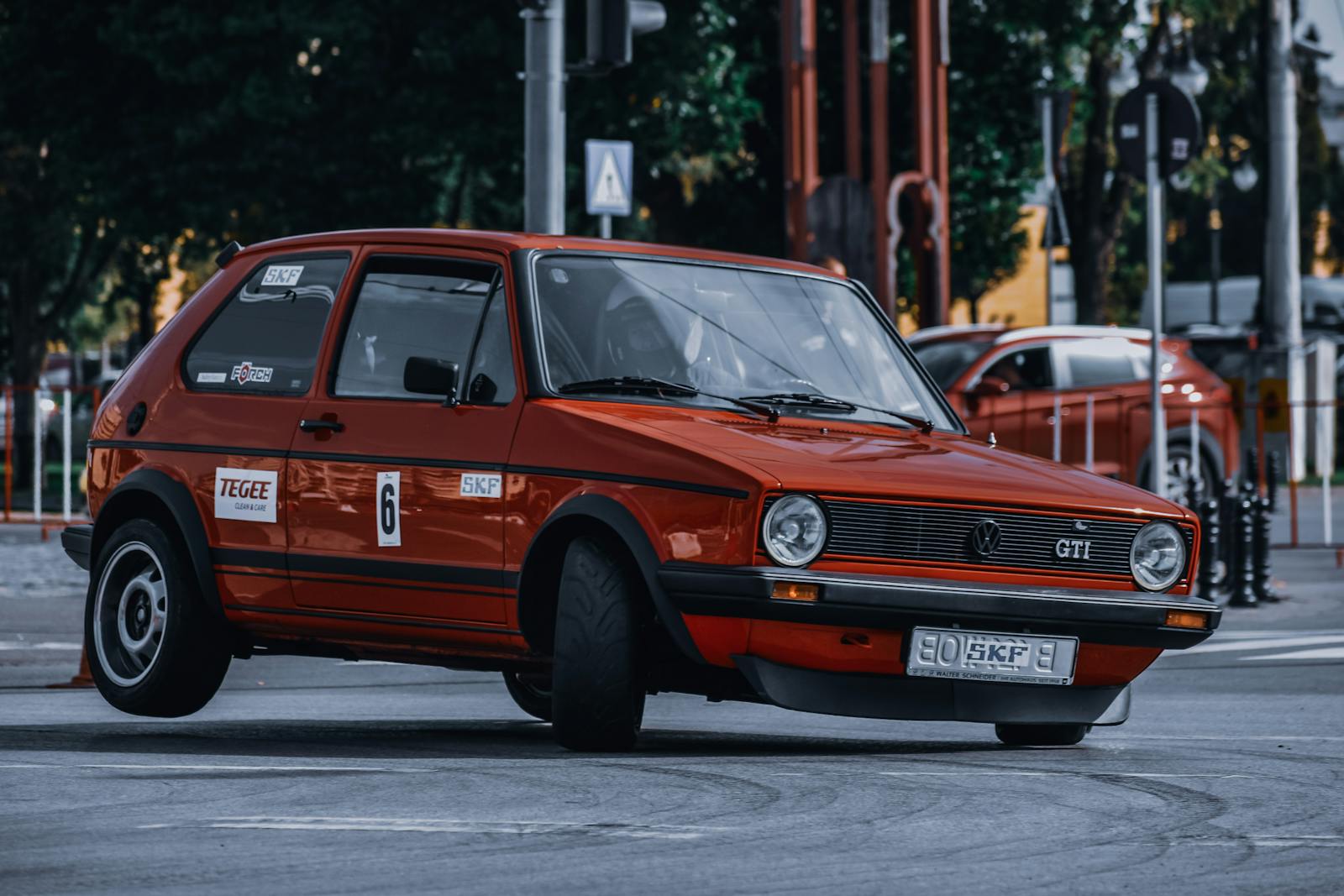
The automotive landscape has changed dramatically over the decades, especially for sports cars that Baby Boomers once adored. As safety regulations tightened and consumer preferences shifted, many iconic models lost their charm and allure. This article explores six beloved sports cars from the Baby Boomer era that fell victim to the increasing emphasis on safety, changing the way enthusiasts experience performance vehicles.
1. Ford Mustang (1964-1973)
The Ford Mustang, often heralded as a symbol of American muscle, debuted in 1964 and quickly gained popularity among Baby Boomers. With its powerful V8 engines and sleek design, the Mustang became a staple on American roads. However, as safety standards evolved, features such as crumple zones, airbags, and traction control became mandatory, leading to a significant weight increase and loss of performance. By the late 1970s, the Mustang had transformed into a more sedate vehicle, far removed from its original performance roots.
2. Chevrolet Corvette (1963-1982)
The Chevrolet Corvette, particularly the C2 and C3 models, captivated Baby Boomers with their stylish design and high-speed performance. The early Corvettes were lightweight and powerful, allowing drivers to experience thrilling speeds. However, with the introduction of stricter safety regulations in the 1970s, features like reinforced bumpers and crash standards led to an increase in weight and a decrease in agility. This shift altered the driving experience significantly, leaving many enthusiasts yearning for the raw power of earlier models.
3. Pontiac GTO (1964-1974)
The Pontiac GTO is often credited with launching the muscle car era, combining performance and style that resonated with Baby Boomers. Its powerful V8 engine and aggressive design made it an instant classic. However, as the 1970s progressed, rising insurance rates and tighter emissions regulations began to impact the GTO’s design and performance. By 1974, the model was discontinued, leaving behind a legacy that many fans still celebrate today but lament the loss of its raw, unfiltered power.
4. Dodge Charger (1966-1978)
The Dodge Charger became an icon of automotive culture, particularly with its powerful engines and bold design. Baby Boomers loved its performance and the car’s representation in popular media, notably in “The Dukes of Hazzard.” Unfortunately, as safety regulations tightened, the Charger underwent significant changes in the late 1970s. The introduction of safety features and fuel efficiency mandates led to a decline in engine performance and acceleration, causing enthusiasts to seek out earlier models that captured the heart of the original Charger.
5. Mazda RX-7 (1978-2002)
The Mazda RX-7 was revered for its lightweight design and unique rotary engine, which provided a thrilling driving experience. With its sporty handling and distinctive aesthetics, the RX-7 quickly gained a cult following among Baby Boomers. However, as safety regulations became more stringent in the 1990s, the introduction of mandatory features like side airbags and electronic stability control added weight and complexity to the vehicle. These changes diminished the RX-7’s performance characteristics, leading to a decline in sales and the eventual discontinuation of the model.
6. Volkswagen Scirocco (1974-1992)
The Volkswagen Scirocco was a compact sports car that combined European styling with a spirited driving experience, appealing to many Baby Boomers. Its lightweight design and nimble handling made it a favorite among enthusiasts. However, as safety concerns grew and emissions regulations became more stringent throughout the 1980s, the Scirocco lost its edge. The model was eventually phased out, and while it had a brief revival in the late 2000s, it never recaptured the magic of its original run.
Conclusion: A Shift in Automotive Culture
The shift in automotive culture away from raw performance and toward safety and efficiency has left many Baby Boomers nostalgic for the sports cars of their youth. While safety features are undeniably important, the transformation of these iconic models has changed the driving experience for enthusiasts. Collectors now seek out these classics, often paying premium prices for well-preserved examples, as the market for vintage sports cars continues to grow.
The legacy of these sports cars serves as a reminder of a time when power and performance took precedence over regulations. As new generations of drivers emerge, the challenge remains to balance safety with the thrill of driving. Car manufacturers are tasked with preserving the spirit of performance while ensuring the safety of their customers.