

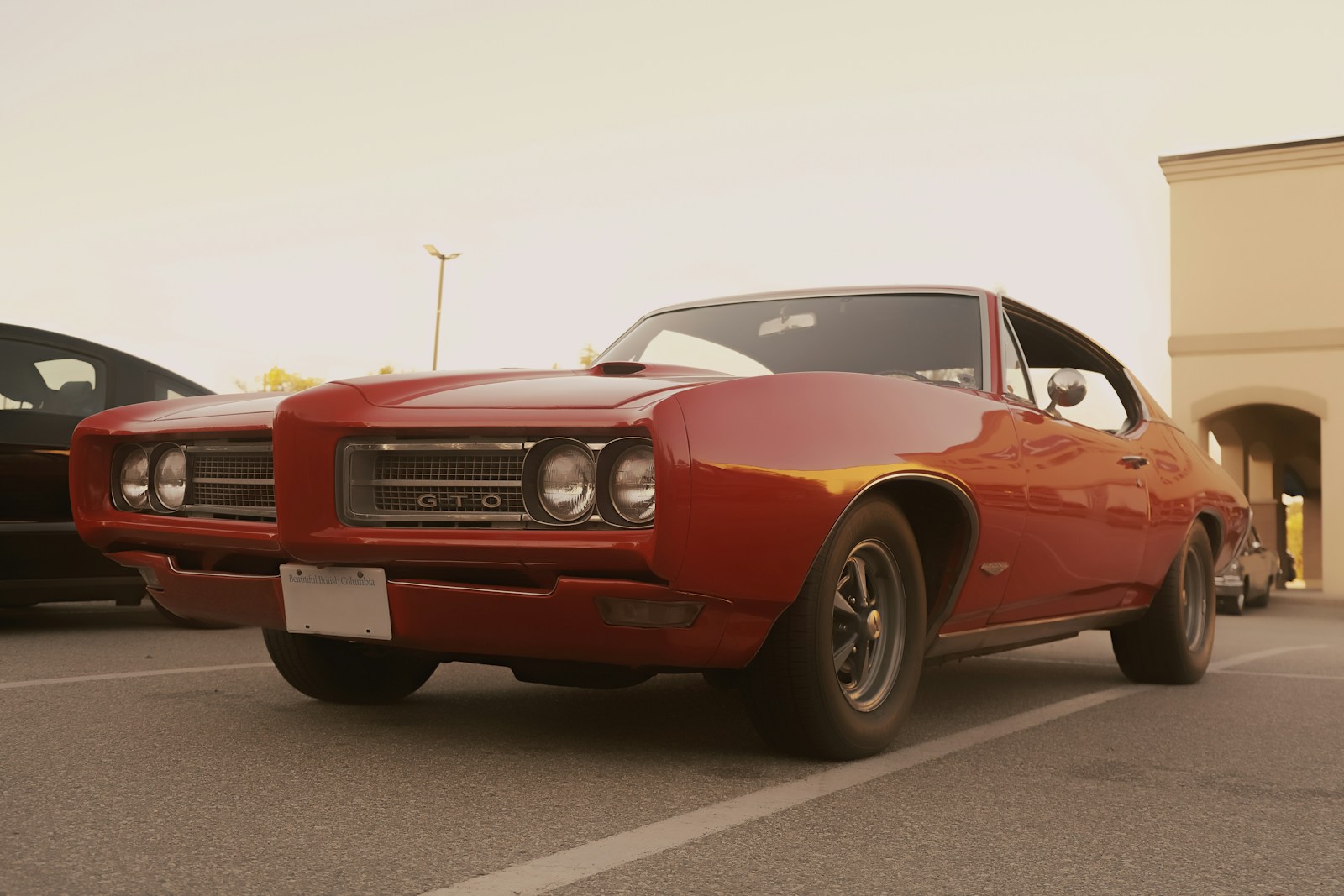
The 1970s marked a pivotal era for the American automotive industry, especially within the muscle car segment, as manufacturers faced new challenges such as stringent emissions regulations and rising fuel prices. Despite these hurdles, several iconic models emerged that not only defined a generation but also remain celebrated by car enthusiasts today. With the muscle car landscape shifting dramatically during this decade, here are seven notable models that contributed to the legacy of American performance vehicles.
1. Ford Mustang (1971)
The Ford Mustang underwent significant changes in 1971, transitioning to a larger body style that appealed to a broader audience. The introduction of the Mustang Mach 1, featuring a 351 cubic inch V8 engine, offered drivers an exhilarating experience with a reported horsepower of 300. This model cemented the Mustang’s place in muscle car history, reflecting the growing trend of performance vehicles that still prioritized comfort and style.
2. Chevrolet Camaro (1970–1974)
The Chevrolet Camaro was a direct competitor to the Ford Mustang and gained a loyal following during the early ’70s. The 1970 Z/28 model, equipped with a 350 cubic inch V8 engine, delivered a robust 360 horsepower. The Camaro’s distinctive styling and performance capabilities not only helped it thrive at the track but also solidified its status as a cultural icon, making it a staple in American car culture.
3. Dodge Challenger (1970)
Launched in 1970, the Dodge Challenger quickly became a symbol of raw power and aggressive styling. With options like the 426 HEMI engine, which produced an astonishing 425 horsepower, the Challenger appealed to performance enthusiasts looking for speed and muscle. However, as emission regulations tightened later in the decade, its production dwindled, making the early models increasingly sought after by collectors.
4. Pontiac Firebird Trans Am (1977)
The Pontiac Firebird Trans Am gained notoriety in the late ’70s, especially after its appearance in the film “Smokey and the Bandit” (1977). The 1977 model, featuring a 400 cubic inch V8 engine, offered 220 horsepower, a notable figure given the fuel crisis of the time. This car not only provided impressive performance but also became a pop culture sensation, further embedding it in the collective memory of the decade.
5. Mercury Cougar (1970–1977)
The Mercury Cougar initially entered the market as a luxury variant of the Ford Mustang, but its performance capabilities helped it carve out its own identity. By the mid-’70s, the Cougar was known for its comfortable ride and stylish design while still offering a range of powerful engine options, including a 351 cubic inch V8. This blend of luxury and performance made the Cougar a desirable choice among consumers looking for both elegance and muscle.
6. Plymouth Barracuda (1970)
The Plymouth Barracuda was one of the original pony cars, and the 1970 model is particularly notable for its aggressive styling and powerful performance. Available with a 440 cubic inch V8 engine, the Barracuda could achieve 390 horsepower, making it a formidable presence on the road. Despite its eventual decline in production, the Barracuda remains a favorite among collectors and enthusiasts, representing the raw power of the muscle car era.
7. Chevrolet Nova (1970–1974)
The Chevrolet Nova, often overlooked in the muscle car conversation, played a significant role in the 1970s automotive landscape. The 1972 Nova SS, equipped with a 350 cubic inch V8, boasted 250 horsepower and a lightweight design that made it nimble and fun to drive. Its affordability and performance made the Nova a popular choice for younger drivers during the decade, solidifying its legacy in American automotive history.
The Enduring Legacy of ’70s Muscle Cars
As the 1970s drew to a close, the muscle car era faced significant challenges, including rising insurance costs and stricter emissions regulations that led to a decline in performance options. However, the models produced during this decade remain influential, with many collectors and enthusiasts still seeking out these classic vehicles. The legacy of these muscle cars is not only a testament to the engineering prowess of their time but also a reflection of the cultural significance they hold.