

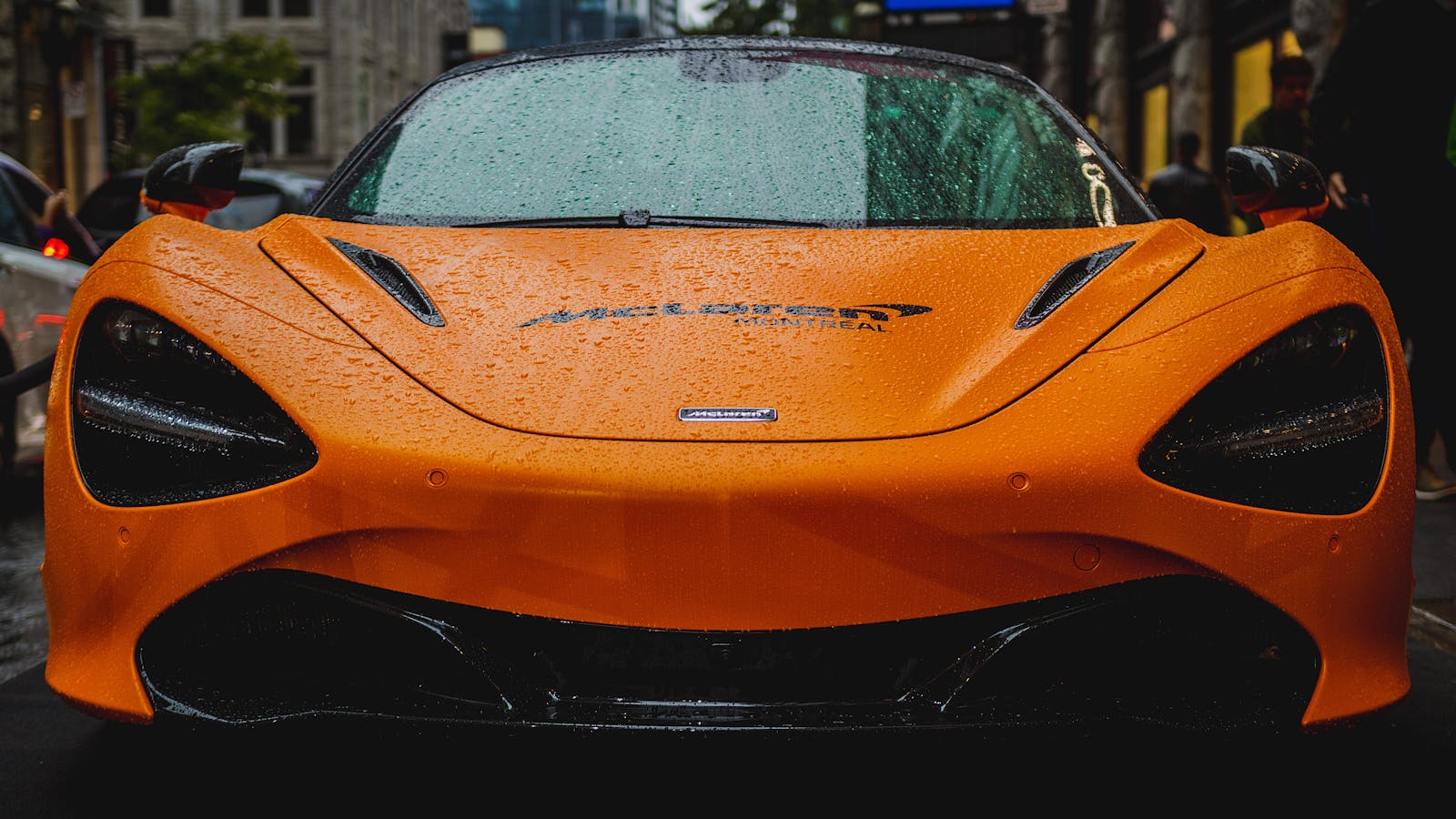
The evolution of supercars during the Baby Boomer generation has shaped the luxury automotive market, influencing design, performance, and technology. This era, spanning roughly from the mid-1940s to the early 1960s, saw the rise of iconic vehicles that not only represented wealth but also technological advancement. As we explore six supercars that defined this luxurious period, it becomes clear why these models remain benchmarks for performance and opulence today.
1. Ferrari 250 GTO (1962-1964)
One of the most celebrated supercars of all time, the Ferrari 250 GTO, was produced between 1962 and 1964. With only 36 units made, this car is not only a symbol of speed but also of exclusivity, with auction prices often exceeding $40 million. The GTO’s 3.0-liter V12 engine produced 300 horsepower, allowing it to achieve a top speed of 174 mph, making it a formidable competitor in its day. The combination of its racing pedigree and luxurious design has cemented its status as a quintessential Boomer luxury vehicle.
2. Lamborghini Miura (1966-1973)
Launched in 1966, the Lamborghini Miura revolutionized the supercar scene with its mid-engine layout and stunning design by Marcello Gandini. Often considered the first true supercar, the Miura featured a 4.0-liter V12 engine that delivered 350 horsepower, pushing it to a top speed of 170 mph. With only 764 units produced, the Miura quickly became a status symbol among affluent car enthusiasts. Its influence can be seen in countless models that followed, setting the standard for performance and aesthetics in luxury vehicles.
3. Porsche 911 (1964-Present)
The Porsche 911, first introduced in 1964, has become one of the most enduring luxury sports cars in history. With its distinctive design and rear-engine layout, the 911 has evolved through numerous iterations while maintaining its core identity. The 1973 Porsche 911 Carrera RS 2.7 is particularly notable, as it was designed for racing and featured a lightweight body, producing 210 horsepower from its 2.7-liter engine. Today, the 911 remains a favorite among collectors and enthusiasts, with over 1 million units sold worldwide, a testament to its lasting appeal and influence on the luxury car market.
4. Aston Martin DB5 (1963-1965)
The Aston Martin DB5, launched in 1963, gained fame as the iconic vehicle driven by James Bond in “Goldfinger.” This luxurious grand tourer features a 4.0-liter inline-six engine, producing 282 horsepower and capable of reaching 145 mph. With only 1,059 units produced, the DB5 became a symbol of British luxury and sophistication. Its combination of elegance, performance, and cultural significance makes it a quintessential representation of Boomer luxury cars.
5. Chevrolet Corvette Sting Ray (1963-1967)
The Chevrolet Corvette Sting Ray, introduced in 1963, marked a significant moment in American automotive history. With its innovative design and performance capabilities, the Sting Ray featured a 5.4-liter V8 engine, producing up to 375 horsepower. The model was known for its lightweight fiberglass body and advanced engineering, achieving a top speed of around 150 mph. The Sting Ray’s affordability compared to European supercars allowed it to capture the hearts of many aspiring luxury car owners during the Boomer generation.
6. Maserati Ghibli (1966-1973)
The Maserati Ghibli, launched in 1966, is another iconic supercar that defined luxury in the Boomer era. Known for its sleek design and powerful performance, the Ghibli featured a 4.7-liter V8 engine, producing up to 330 horsepower, allowing it to reach a top speed of 150 mph. With only 1,200 units produced, the Ghibli’s combination of Italian elegance and impressive engineering has made it a sought-after collector’s item. Its legacy continues to influence Maserati’s modern lineup and the luxury car market as a whole.
Conclusion
The supercars that defined Boomer luxury not only showcased technological advancements but also reflected a lifestyle of affluence and prestige. From the Ferrari 250 GTO’s staggering auction prices to the enduring success of the Porsche 911, these vehicles have left an indelible mark on the automotive industry.