

As the automotive industry shifts towards electric vehicles and advanced technology, a growing sentiment among Baby Boomers is that certain supercars represent the pinnacle of performance and craftsmanship—referred to as “the last of the real ones.” This perspective not only highlights generational differences in car appreciation but also emphasizes the cultural significance of these vehicles in an era of rapid change. With many enthusiasts fearing the loss of raw driving experiences, we take a closer look at six iconic supercars that Boomers believe embody the true essence of automotive excellence.
1. Ford GT (2005-2006, 2017-2022)
The Ford GT has long been celebrated for its striking design and high performance. Originally produced in 2005, the car was a tribute to the legendary GT40 race cars of the 1960s. With a supercharged V8 engine delivering 550 horsepower, the 2005 model could accelerate from 0 to 60 mph in just 3.5 seconds. The modern iteration, released in 2017, features a twin-turbocharged V6 producing 660 horsepower. Boomers appreciate the GT for its blend of heritage and cutting-edge technology, viewing it as a symbol of American engineering prowess.
2. Lamborghini Miura (1966-1973)
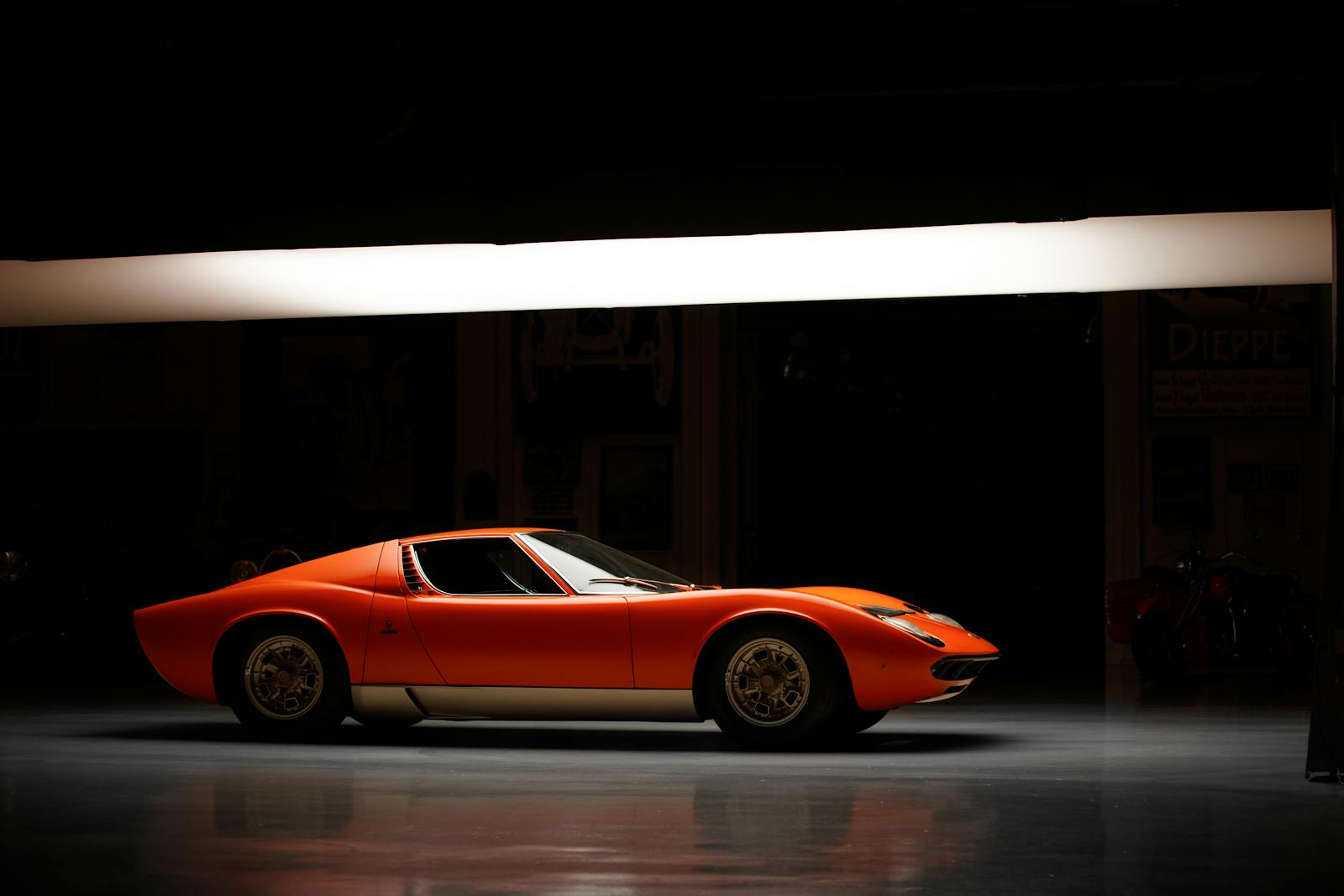
Widely regarded as the world’s first supercar, the Lamborghini Miura was revolutionary in its design and performance. With a mid-engine layout and a V12 engine producing around 350 horsepower, the Miura could reach 60 mph in just 6.7 seconds—a remarkable feat for its time. This classic car, produced between 1966 and 1973, represents the pinnacle of 1970s automotive artistry, and many Boomers see it as a quintessential example of raw power and style that has not been replicated in modern vehicles.
3. Ferrari F40 (1987-1992)
The Ferrari F40 is often cited as the last “pure” Ferrari, offering an unfiltered driving experience that many enthusiasts crave. With a lightweight carbon fiber body and a twin-turbo V8 engine that produces 471 horsepower, the F40 can sprint from 0 to 60 mph in 3.8 seconds. Produced from 1987 to 1992, it was the last car personally approved by Enzo Ferrari. Many Boomers cherish the F40 for its minimalist design and visceral driving experience, viewing it as a benchmark for what a supercar should be.
4. Porsche 911 (1964-present)
The Porsche 911 is an enduring symbol of automotive excellence, with its production spanning over six decades. While it has evolved through various iterations, Boomers often refer to the classic models, particularly the 911 Carrera RS 2.7 from 1973, as the last of the “real” supercars. This model featured a 210-horsepower flat-six engine, a lightweight design, and exceptional handling that made it a favorite among driving purists. The 911’s continued legacy and its blend of performance and practicality make it a staple in the discussions of supercars that resonate with the Baby Boomer generation.
5. Chevrolet Corvette C4 (1984-1996)
The fourth generation of the Chevrolet Corvette, known as the C4, was produced between 1984 and 1996 and is often celebrated for its affordability and performance. With a base power of 205 horsepower and options that climbed to over 300, the C4 could achieve 0 to 60 mph in as little as 5.7 seconds. Boomers appreciate the C4 for its accessibility compared to other supercars, allowing more enthusiasts to experience the thrill of driving. Its distinctive design and racing pedigree solidify its place as a classic that many Boomers still admire.
6. Acura NSX (1990-2005, 2016-2022)
The original Acura NSX, produced from 1990 to 2005, was groundbreaking for its combination of exotic styling, reliability, and performance. Featuring a mid-mounted V6 engine capable of producing 270 horsepower, the NSX could reach 60 mph in just 5.7 seconds. This supercar was notable for being one of the first to utilize an all-aluminum body, setting a precedent for future sports cars. Many Boomers regard the NSX as a turning point in the supercar landscape, merging everyday usability with high-performance capabilities.