

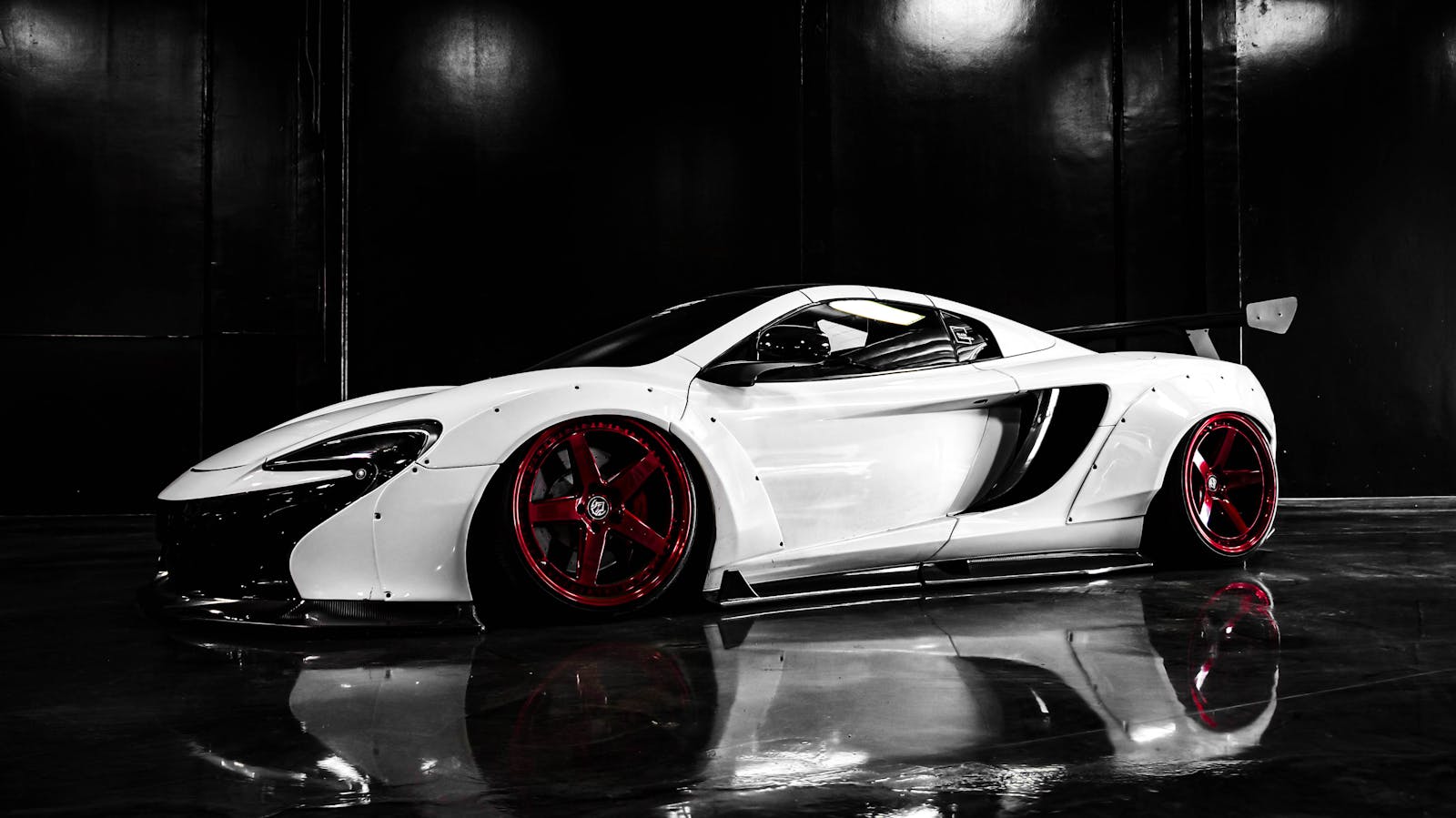
The Boomer generation, born between 1946 and 1964, was significantly influenced by the rise of the sports car culture, which shaped not only automotive trends but also societal perceptions of style and performance. This article explores six iconic sports cars that became symbols of coolness during this era, resonating with the dreams and aspirations of millions of young drivers. Understanding these vehicles is essential for grasping how they impacted American culture and the automotive industry as a whole.
1. Chevrolet Corvette (Sting Ray) – 1963
The 1963 Chevrolet Corvette Sting Ray is often regarded as one of the most iconic American sports cars. With its sleek design and powerful 327 cubic inch V8 engine, the Sting Ray could accelerate from 0 to 60 mph in just under seven seconds, a remarkable feat for the time. It was not only a performance powerhouse but also a symbol of freedom and rebellion for the youth of the 1960s, making it a must-have for many aspiring drivers.
2. Ford Mustang – 1964
The launch of the Ford Mustang in 1964 revolutionized the automotive landscape, creating an entirely new market segment known as the “pony car.” With a starting price of around $2,368, the Mustang offered an affordable yet stylish option for young adults. Its powerful engines and customizable features allowed buyers to personalize their vehicles, making it a cultural icon synonymous with the American Dream. By 1966, Ford had sold over a million Mustangs, solidifying its place in automotive history.
3. Porsche 911 – 1964
Introduced in 1964, the Porsche 911 quickly became a symbol of luxury and performance. Renowned for its distinctive design and rear-engine layout, the 911 offered a driving experience that combined speed with elegant handling. With various models producing between 130 to over 400 horsepower, the 911 appealed to both racing enthusiasts and everyday drivers. Its legacy continues today, making it one of the longest-running sports car models in history.
4. Jaguar E-Type – 1961
The Jaguar E-Type, unveiled in 1961, is often celebrated for its stunning aesthetics and performance capabilities. Priced at around $5,595, it was considered an affordable luxury sports car, capable of reaching speeds of 150 mph. Enzo Ferrari famously called it “the most beautiful car ever made,” and its popularity helped solidify Jaguar’s reputation as a premier sports car manufacturer. The E-Type’s influence on design and engineering is still felt in modern automotive creations.
5. Datsun 240Z – 1970
The Datsun 240Z, introduced in 1970, marked Japan’s entry into the sports car market with a model that combined affordability and performance. Priced around $3,500, it delivered a 2.4-liter inline-six engine that produced 151 horsepower, allowing it to compete with European rivals. Its sleek design and sporty handling resonated with a generation that craved performance without breaking the bank. The 240Z is credited with popularizing Japanese sports cars in the U.S., laying the groundwork for future models.
6. Chevrolet Camaro – 1966
Launched in 1966 as a response to the Ford Mustang, the Chevrolet Camaro quickly gained traction among young drivers seeking a balance of performance and style. With a starting price of around $2,466, it offered a range of engines, including a powerful 396 cubic inch V8 option that could accelerate the car from 0 to 60 mph in just six seconds. The Camaro became a cultural icon, featured in movies and television shows, further entrenching its status as a cool car choice for the Boomer generation.
Conclusion
The sports cars of the Boomer generation played a pivotal role in shaping automotive culture and societal values. From the sleek lines of the Chevrolet Corvette to the innovative design of the Datsun 240Z, each model left an indelible mark on the automotive landscape. These vehicles not only provided thrilling performance but also represented freedom, adventure, and style, embodying the aspirations of a generation.
As the automotive industry continues to evolve with electric vehicles and advanced technology, the legacy of these classic sports cars remains relevant. For enthusiasts and collectors alike, understanding the significance of these iconic models is crucial. Whether you’re considering a purchase or simply appreciating automotive history, it’s time to delve deeper into the stories behind these legendary cars. Don’t miss out—explore your options today!