

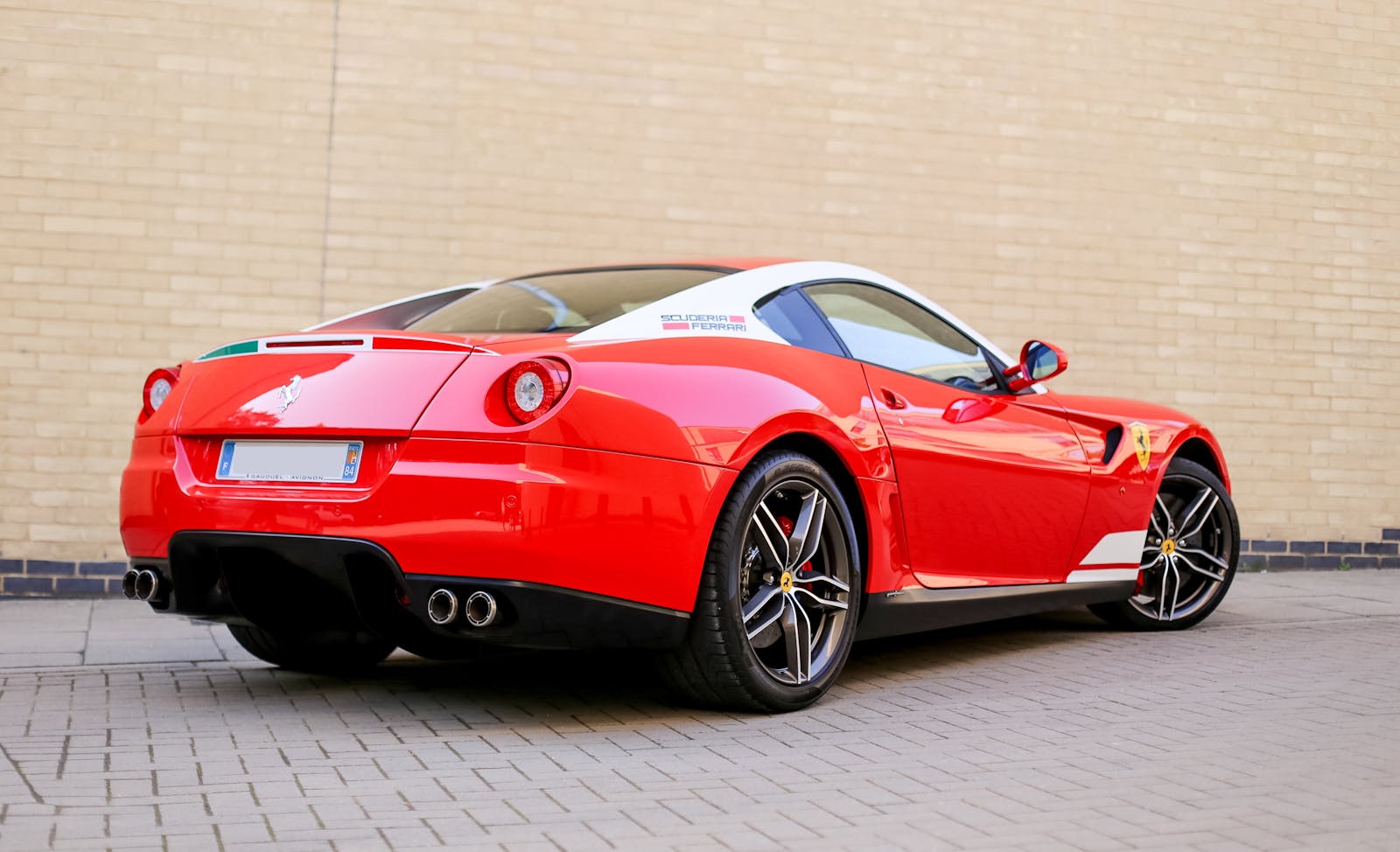
The ongoing debate about electric vehicles (EVs) versus traditional combustion engines has reached a boiling point, particularly among Baby Boomers who grew up with the roar of muscle cars and sports vehicles. As manufacturers increasingly shift their focus towards electric models, many Boomers remain skeptical, holding on to the nostalgia and performance of supercars that define their automotive passion. This article explores six supercars that embody the characteristics that traditionalists cherish, making it clear why some enthusiasts may never fully embrace electric alternatives.
1. Chevrolet Corvette Z06 (2023)
The 2023 Chevrolet Corvette Z06 stands out as a prime example of American muscle, showcasing a naturally aspirated 5.5-liter V8 engine that produces 670 horsepower. With a 0-60 mph time of just 2.6 seconds, the Z06 delivers the exhilarating performance and auditory thrills that Boomers appreciate. As Chevrolet plans to introduce an electric Corvette in the future, many fans of the brand worry that the essence of the classic American sports car will be lost in the transition to electrification.
2. Ford Mustang GT (2021)
The 2021 Ford Mustang GT continues to be a symbol of American automotive culture with its iconic 5.0-liter V8 engine generating 450 horsepower. The Mustang’s aggressive styling and performance features resonate strongly with Boomers who recall the vehicle’s rich history. While Ford has unveiled plans for an electric Mustang, known as the Mustang Mach-E, many traditionalists feel that the true spirit of the Mustang can only be captured through a roaring combustion engine.
3. Porsche 911 GT3 (2022)
Porsche’s 911 GT3 combines precision engineering with exhilarating performance, powered by a naturally aspirated 4.0-liter flat-six engine that produces 502 horsepower. With a 0-60 mph time of 3.2 seconds, this supercar offers an engaging driving experience that is hard to replicate with electric vehicles. Boomers who have long been fans of the 911 appreciate its unmistakable engine sound and tactile feedback, elements that are often muted in electric models.
4. Lamborghini Huracán STO (2021)
The Lamborghini Huracán STO is the epitome of Italian supercar excellence, featuring a 5.2-liter V10 engine that delivers an astonishing 631 horsepower. With a focus on aerodynamics and lightweight design, the Huracán can accelerate from 0 to 60 mph in just 3.0 seconds. For Boomers who have admired Lamborghini’s legacy of raw power and design, the shift to electric vehicles feels like a departure from the brand’s storied heritage.
5. Ferrari F8 Tributo (2020)
The Ferrari F8 Tributo showcases the Italian automaker’s commitment to performance with its 3.9-liter twin-turbocharged V8 engine, producing 710 horsepower. Capable of reaching 60 mph in just 2.9 seconds, this supercar offers an exhilarating driving experience. Boomers who have cherished the sound and feel of Ferrari engines may find it hard to accept a future dominated by electric models, fearing a loss of the visceral connection that defines their passion for driving.
6. Aston Martin Vantage (2021)
The 2021 Aston Martin Vantage combines elegance with performance, boasting a 4.0-liter twin-turbo V8 engine that produces 503 horsepower. This supercar can sprint from 0 to 60 mph in just 3.5 seconds, offering a thrilling and luxurious driving experience. For Boomers, the allure of Aston Martin is not only in its performance but also in its rich heritage, which may be jeopardized by an increasing focus on electric vehicles.
Conclusion: The Future of Supercars
As the automotive industry continues to evolve, the debate between electric and traditional combustion engines is likely to persist. While manufacturers are making strides toward sustainability, the supercars that resonate with Baby Boomers serve as a reminder of the performance, sound, and driving experience that many enthusiasts cherish. The transition to electric vehicles may be inevitable, but for now, these supercars remain symbols of a bygone era that Boomers are hesitant to leave behind.
Automotive enthusiasts and consumers must stay informed about the ongoing changes in the automotive landscape. As manufacturers push forward with electrification, understanding the implications for performance and heritage is essential. Join the conversation and share your thoughts on the future of supercars and electric vehicles.