

The rise of electric vehicles (EVs) is transforming the automotive landscape, prompting even the most dedicated muscle-car enthusiasts to take notice. With automakers investing heavily in electric technology, several models have emerged that blend performance with sustainability, challenging preconceived notions about what an EV can deliver. This growing trend matters because it reflects a significant shift in consumer preferences and an urgent need to address environmental concerns.
1. Ford Mustang Mach-E (2021)
The Ford Mustang Mach-E has made waves since its launch, combining the iconic Mustang name with cutting-edge electric technology. With up to 480 horsepower in its GT trim, the Mach-E provides exhilarating acceleration, going from 0 to 60 mph in just 3.5 seconds. This performance level has garnered attention from traditional muscle-car fans, as it offers a driving experience reminiscent of its gasoline-powered counterparts while boasting a range of up to 300 miles on a single charge.
2. Chevrolet eCOPO Camaro (2019)
Chevrolet’s eCOPO Camaro is a striking example of how muscle-car heritage can merge with electrification. This prototype is powered by an electric motor that generates a staggering 700 horsepower, making it a formidable competitor on the drag strip. The eCOPO’s ability to deliver instant torque and reduced weight showcases the potential of electric propulsion in performance vehicles, making it a must-see for muscle-car enthusiasts.
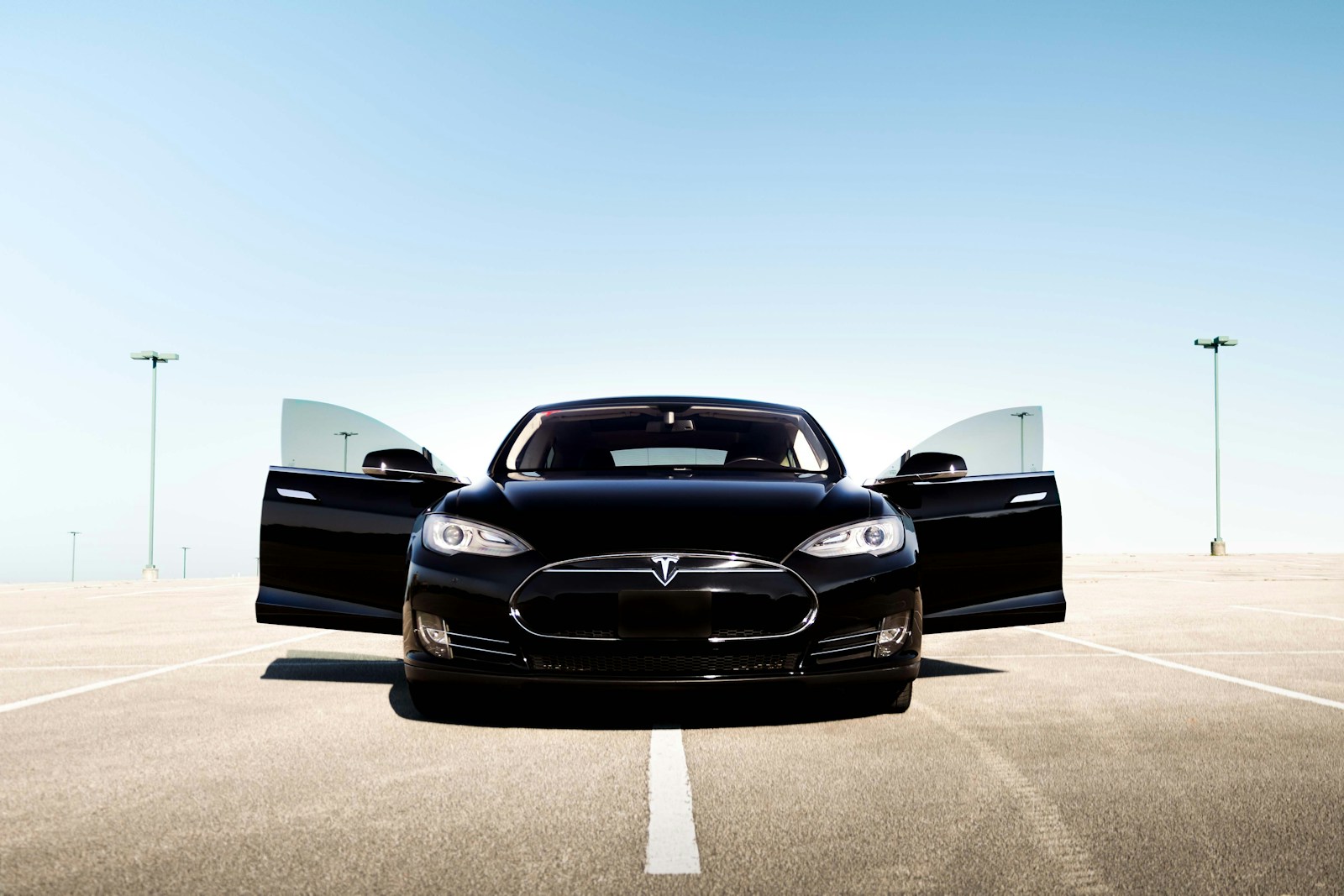
3. Tesla Model S Plaid (2021)
The Tesla Model S Plaid has redefined speed in the EV market, boasting a reported 1,020 horsepower. Capable of 0 to 60 mph in just 1.99 seconds, it challenges even the most powerful muscle cars on the market. Its impressive range of approximately 390 miles and advanced tech features, including Autopilot capabilities, make it more than just a performance vehicle; it’s a glimpse into the future of driving.
4. Rivian R1T (2021)
The Rivian R1T, an electric pickup truck, has attracted attention not only for its rugged design but also for its performance specifications. With a quad-motor setup producing up to 835 horsepower, the R1T can go from 0 to 60 mph in just 3 seconds. This level of performance, combined with the truck’s off-road capabilities and a range of up to 314 miles, has drawn interest from muscle-car fans looking for versatility without sacrificing power.
5. Porsche Taycan (2020)
Porsche has entered the electric vehicle market with the Taycan, a high-performance sedan that reportedly offers up to 750 horsepower in its Turbo S variant. With a 0 to 60 mph time of just 2.4 seconds, the Taycan provides exhilarating acceleration that is sure to impress enthusiasts. Its refined handling and luxurious features further enhance its appeal, making it a compelling option for those who appreciate muscle-car performance in a sophisticated package.
6. Lucid Air (2021)
The Lucid Air has emerged as a strong competitor in the luxury electric vehicle segment, combining high-performance engineering with a spacious interior. With up to 1,080 horsepower in its Dream Edition, the Lucid Air can accelerate from 0 to 60 mph in just 2.5 seconds. Additionally, it offers a remarkable range of up to 520 miles, making it an attractive choice for muscle-car fans seeking a powerful yet practical EV.
7. Dodge Charger Daytona SRT (2024)
Looking ahead, the Dodge Charger Daytona SRT promises to captivate muscle-car enthusiasts with its electric powertrain. Set to debut as Dodge’s answer to the electric muscle car, it is expected to deliver performance metrics comparable to traditional V8 engines, focusing on a thrilling driving experience. With the automotive industry rapidly transitioning towards electrification, the Charger Daytona SRT represents a significant evolution of the storied Charger nameplate.
The Shift Towards Electrification
The transition to electric vehicles is not just a passing trend; it reflects a broader movement within the automotive industry towards sustainability and innovation. According to recent reports, EV sales in the U.S. increased by 70% in 2021 compared to the previous year, highlighting a growing consumer interest. As automakers continue to develop high-performance electric models, muscle-car fans may find themselves embracing this new era of automotive engineering.
Conclusion: A Call to Action
As the automotive landscape evolves, it is crucial for consumers to stay informed about the latest developments in electric vehicles. The models