

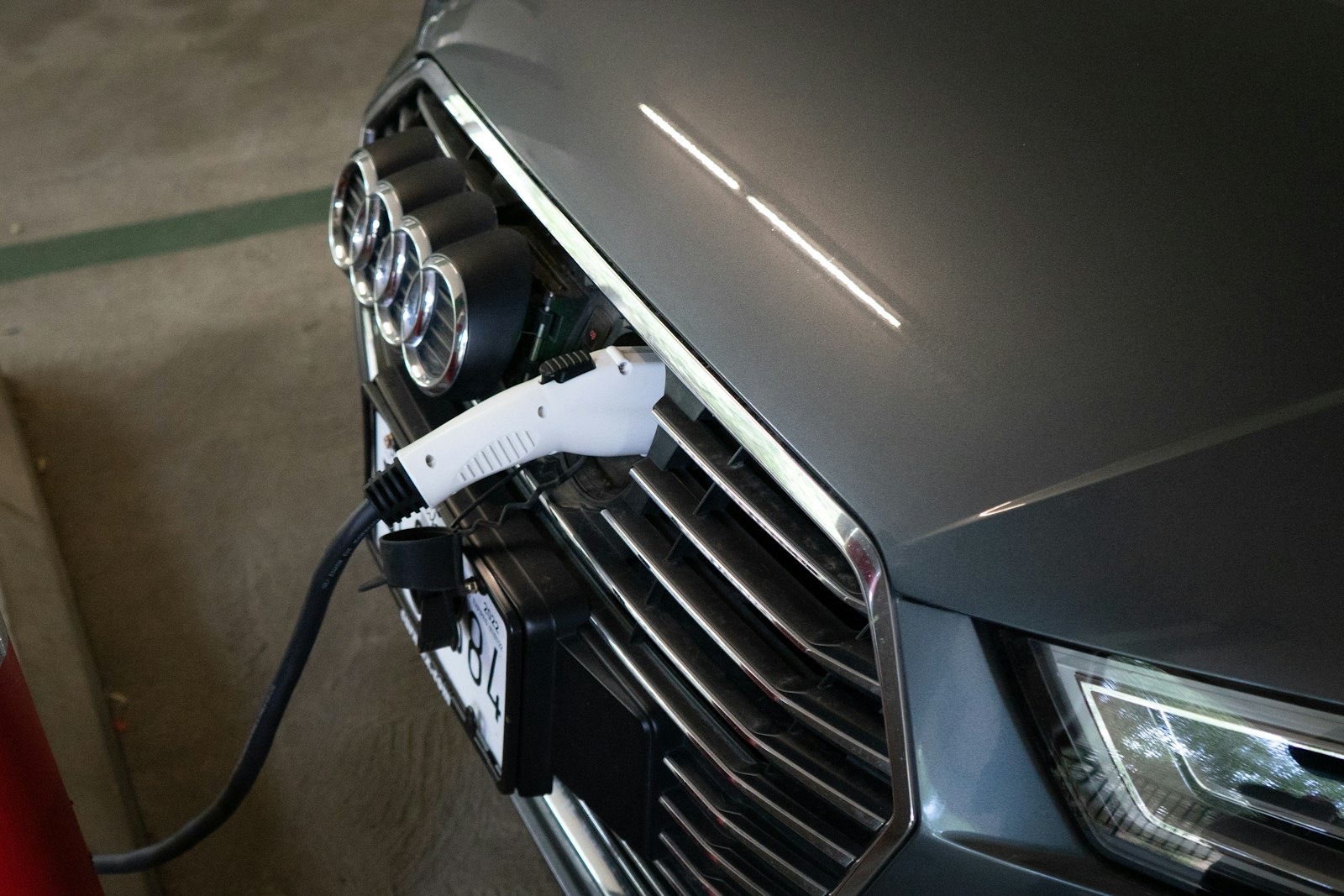
As electric vehicle (EV) adoption rises, consumers are increasingly concerned about range capabilities, especially in models that boast eye-catching designs. Several new entries in the market, while visually appealing, fall short in delivering the necessary range for everyday driving, which could dissuade potential buyers. In this article, we examine six notable electric vehicles that, despite their stylish appeal, do not meet the expectations for range performance.
1. Honda e (2020)
The Honda e, released in 2020, has garnered attention for its retro-futuristic design and compact size, making it ideal for urban driving. However, the vehicle’s range is limited to just 137 miles on a single charge, which is significantly lower than many competitors. The Honda e’s stylish appearance may attract buyers, but the restricted range could be a dealbreaker for those needing more versatility in their daily commutes.
2. Mini Electric (2020)
The Mini Electric, also known as the Mini Cooper SE, offers a classic design that appeals to fans of the iconic brand. With a starting price of around $30,000, it positions itself as an affordable option in the EV market. However, its range of only 110 miles falls short compared to other electric vehicles in the same price bracket. This limited distance may deter buyers who are looking for a reliable vehicle for longer trips.
3. BMW i3 (2014-2021)
The BMW i3 has been praised for its innovative design and sustainable materials. Despite its unique aesthetic and premium interior, the i3 suffered from a disappointing range of approximately 153 miles for its all-electric variant. As the EV market continues to evolve, the i3’s aging technology and limited range may be significant drawbacks for potential buyers who desire more from their electric vehicles.
4. Fiat 500e (2013-2020)
The Fiat 500e is a stylish choice for city dwellers, combining a compact design with a charming profile. However, its range is capped at 84 miles, which is inadequate for anything beyond short trips. While the 500e’s quirky design may attract attention, its minimal range limits its functionality, making it less appealing to consumers looking for a practical electric vehicle.
5. Smart EQ ForTwo (2017)
The Smart EQ ForTwo is marketed as an environmentally friendly option for urban environments, featuring a compact size that allows for easy parking. Unfortunately, its range is only 58 miles, making it one of the least capable electric vehicles on the market. The ForTwo’s limited range poses a challenge for potential buyers, leaving them questioning its utility for daily use in a world where longer ranges are increasingly demanded.
6. Nissan Leaf (2010-present)
The Nissan Leaf has been one of the best-selling electric cars globally, with a reputation for being a reliable and practical choice. However, the base model offers a range of just 149 miles, which is becoming less competitive as newer models enter the market with significantly improved capabilities. While the Leaf remains a popular option, its range issues could impact its future sales as consumers prioritize longer-distance driving.
Why Range Matters
The range of an electric vehicle is a critical factor for consumers, as it influences the vehicle’s versatility and usability. Many drivers today expect an EV to provide at least 200 miles of range on a single charge, which allows for longer trips without the need for frequent recharging. As competition increases in the EV market, manufacturers must prioritize improving range to meet consumer expectations and enhance overall satisfaction.
Conclusion: The Need for Improvement
As the electric vehicle market continues to grow, manufacturers must recognize the importance of range alongside design. While these six models offer aesthetic appeal, their limited ranges could hinder their success in a market that increasingly values practicality and functionality. For consumers considering an electric vehicle, it’s essential to weigh the stylish exterior against the real-world usability provided by range.
Before making a purchase, potential buyers should do thorough research and consider how a vehicle’s range aligns with their driving needs. As technology advances, staying informed about developments in electric vehicle range will be crucial for prospective buyers. Explore options carefully, and be sure to assess all aspects of an EV before committing to a purchase.