

In the rapidly evolving electric vehicle (EV) market, several models have left buyers feeling disappointed shortly after their purchase. From reliability issues to subpar performance, these cars have sparked serious concerns among consumers, affecting their confidence in electric mobility. Understanding these models can help potential buyers make informed decisions and avoid costly mistakes.
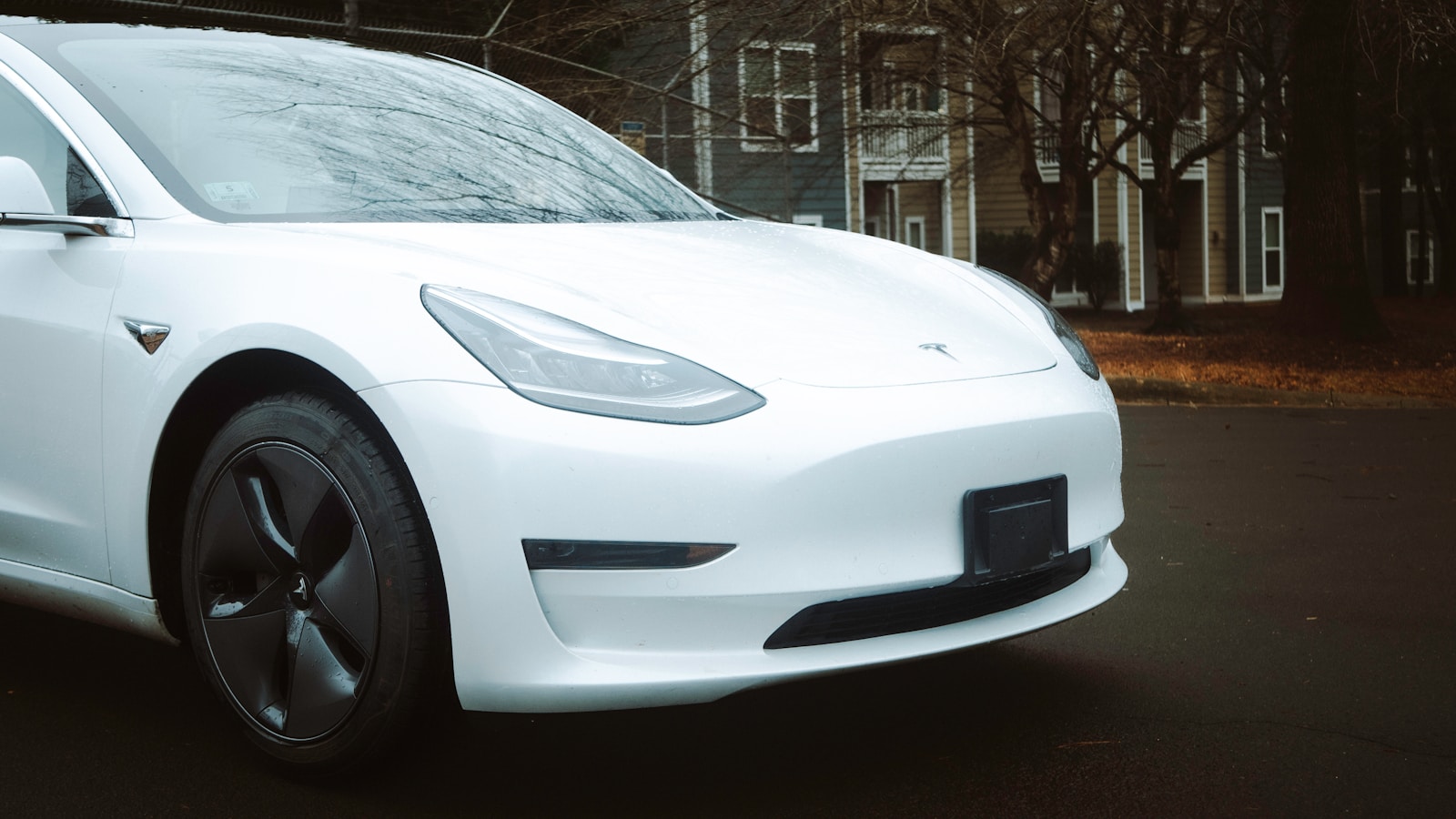
1. Tesla Model 3 (2017–2022)
The Tesla Model 3 has been one of the most popular electric cars since its launch, but some buyers have reported significant issues. Among the complaints are inconsistent build quality and software malfunctions that have left drivers stranded. In a survey conducted by Consumer Reports, 15% of Model 3 owners reported experiencing serious problems within the first year of ownership, leading to feelings of regret among these customers.
2. Nissan Leaf (2011–2017)
The Nissan Leaf has been a pioneer in the electric car market, but not all early adopters have had a positive experience. Many 2011-2017 models faced battery degradation issues, which significantly impacted their range. Reports suggest that between 10% to 20% of Leaf owners experienced a loss of capacity within the first few years, leading to dissatisfaction and a sense of buyer’s remorse.
3. BMW i3 (2014–2020)
The BMW i3 was marketed as an innovative compact electric vehicle, but its high price tag and limited range have led to discontent among some buyers. The i3’s range of approximately 150 miles is considered insufficient by many, especially compared to competitors. Additionally, a 2020 survey highlighted that over 20% of i3 owners regretted their purchase, primarily due to its perceived lack of value for money.
4. Chevrolet Bolt EV (2017–2022)
Despite being an affordable electric option, the Chevrolet Bolt EV faced significant challenges that left some buyers frustrated. The 2020 recall of 68,000 vehicles due to battery fire risks caused widespread concern. Although the issue was addressed, many owners reported feeling uneasy about their purchase, with approximately 30% expressing regret, according to a survey by J.D. Power.
5. Ford Mustang Mach-E (2021–2022)
The Ford Mustang Mach-E has garnered attention for its style and performance, but some early adopters faced issues that led to regret. Problems with the infotainment system and inconsistent battery performance were common complaints in the first model years. According to reports, nearly 12% of Mach-E owners felt dissatisfied enough to consider selling their vehicles shortly after purchase.
6. Volkswagen ID.4 (2021–2022)
The Volkswagen ID.4 entered the EV market with high expectations, but some buyers have expressed regret due to quality control issues and a less-than-stellar driving experience. Complaints about interior quality and subpar software performance have emerged since its launch. In a recent study, it was revealed that about 18% of ID.4 owners experienced buyer’s remorse, primarily due to unmet expectations regarding performance and comfort.
Conclusion: Know What You’re Buying
As the electric vehicle market continues to grow, it’s essential for potential buyers to research thoroughly before making a purchase. Whether it’s reliability, performance, or overall satisfaction, understanding the pitfalls of certain models can save consumers from immediate regret. For anyone considering an electric vehicle, investigating user reviews, reliability ratings, and potential issues can make a significant difference in their buying experience.
Before committing to an electric car, take the time to consider all factors and be aware of models that have left others feeling disappointed. Your investment deserves careful consideration, and informed choices can lead to a more satisfying ownership experience.