

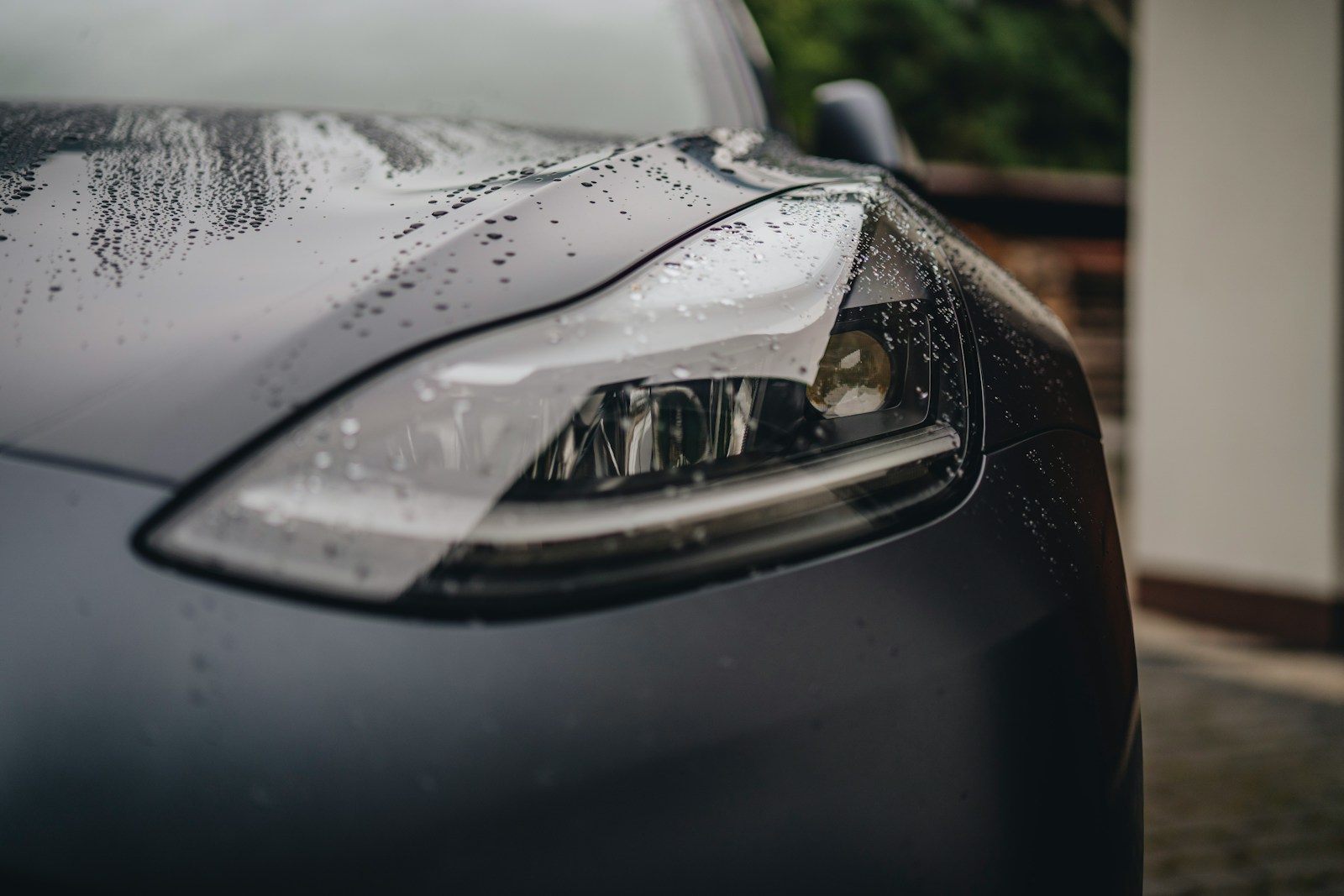
The performance of electric vehicles (EVs) can drastically decline in cold weather, affecting their range and reliability. This issue is particularly critical for consumers living in regions with harsh winter conditions. As the demand for electric cars rises, understanding which models struggle in cold climates is essential for potential buyers.
1. Nissan Leaf (2011–2022)
The Nissan Leaf has been a popular choice for budget-conscious electric car buyers since its debut. However, studies indicate that the Leaf’s range can drop by as much as 40% in frigid temperatures. Owners have reported that cold weather impacts the battery’s efficiency, leading to unexpected trips to the charging station during winter months.
2. BMW i3 (2014–2021)
While the BMW i3 is known for its unique design and innovative features, it is not well-suited for cold climates. Many drivers have noted a significant reduction in range during winter, with some experiencing a decrease of up to 50%. The i3 utilizes a smaller battery, which does not perform well in sub-zero temperatures, making it less reliable for those in colder regions.
3. Hyundai Kona Electric (2018–2022)
The Hyundai Kona Electric has gained popularity for its affordability and features; however, it is not immune to the effects of cold weather. Reports suggest that drivers experience a range reduction of around 30% when temperatures drop below freezing. This decrease in efficiency can lead to anxiety over battery life, especially on longer trips in winter conditions.
4. Chevrolet Bolt EV (2017–2022)
The Chevrolet Bolt EV was once celebrated for its impressive range and performance, but cold weather has proven to be a significant challenge. In cold temperatures, the Bolt can lose approximately 40% of its range, leading to concerns for drivers who rely on their vehicles for daily commuting. Additionally, some owners have reported issues with battery heating systems, further exacerbating the problem.
5. Ford Mustang Mach-E (2021–present)
The Ford Mustang Mach-E has made waves in the electric vehicle market since its launch. However, early reports indicate that its range can diminish by about 30% during winter months. For drivers in regions with heavy snowfall, the Mach-E’s performance can be less predictable, leading to concerns regarding travel plans and overall reliability.
6. Kia Niro EV (2019–2022)
The Kia Niro EV is often praised for its practicality and value, but it struggles in winter weather. Drivers have reported a range reduction of up to 35% in cold conditions, impacting their ability to make longer trips without frequent charging stops. The Niro EV’s battery performance raises questions about its suitability for colder climates, especially for families who need dependable transportation.
Understanding the Impact of Cold Weather on EVs
Cold weather has a profound effect on all electric vehicles, primarily due to the chemistry of lithium-ion batteries. In lower temperatures, the chemical reactions that generate power slow down, resulting in decreased efficiency and range. Additionally, using heating systems to maintain a comfortable cabin temperature further drains the battery, compounding the issue.
What This Means for Consumers
As electric vehicle adoption continues to grow, potential buyers must weigh the pros and cons of specific models, particularly if they live in colder regions. Understanding how these vehicles perform in winter conditions will help consumers make informed decisions and avoid inconvenience during the winter months. For those reliant on their cars for daily transportation, the limitations of certain electric models in cold weather can be critical.
Conclusion: Choose Wisely
With many electric vehicles struggling in cold weather, consumers need to research thoroughly before making a purchase. The six models discussed here serve as cautionary examples for those living in colder climates. As more manufacturers invest in electric technology, it remains crucial for consumers to stay informed about the limitations of various models to ensure they select a vehicle that meets their needs year-round.
As winter approaches, potential buyers should consider these factors carefully and consult with dealerships for advice tailored to their local climate. Don’t let the cold catch you off guard—make an informed decision today.