

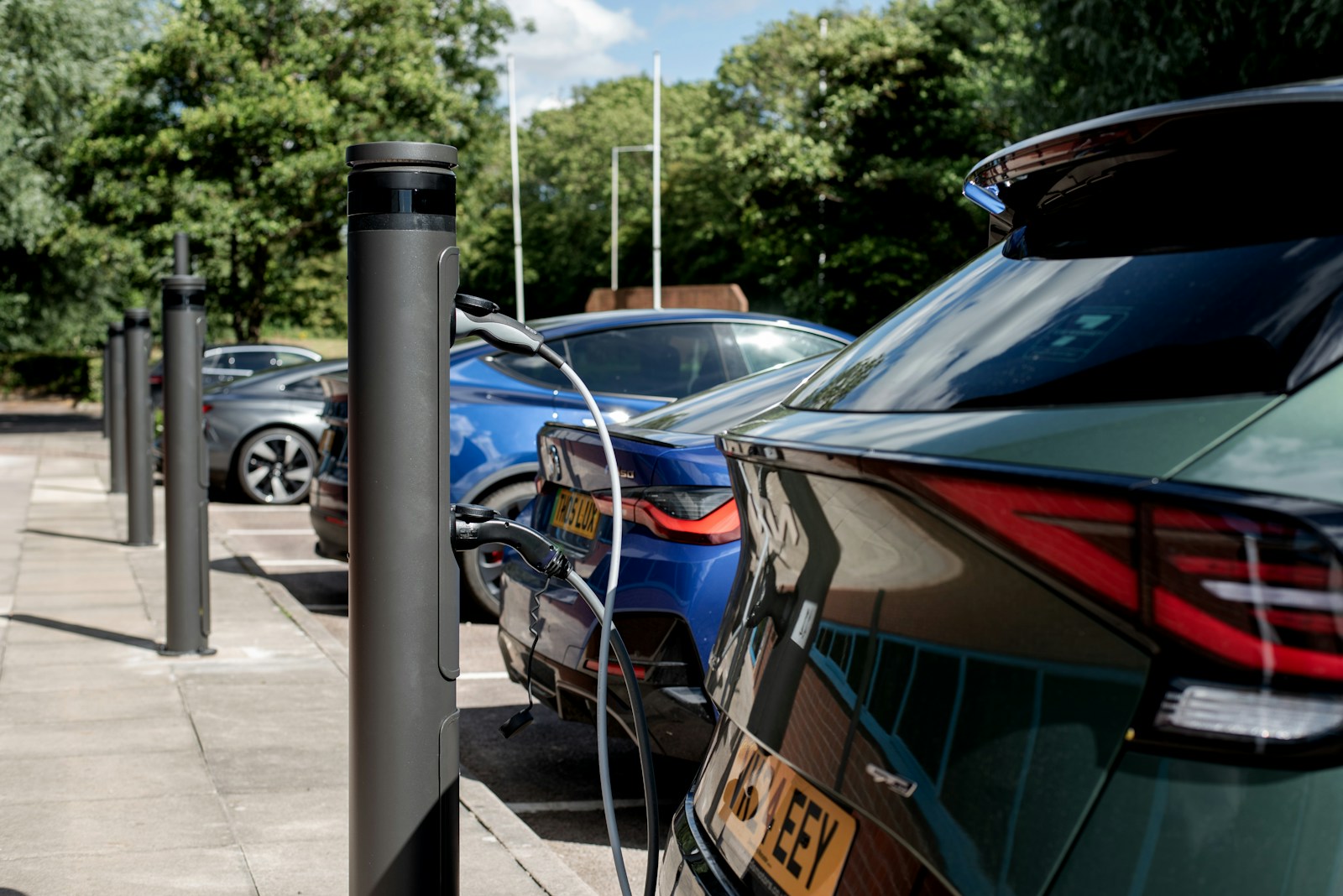
Despite the growing enthusiasm for electric vehicles (EVs), several models have failed to meet consumer expectations, leaving buyers disappointed and questioning their investment. As the electric car market continues to expand, understanding which models have fallen short can help consumers make informed decisions. This matters not only for individual buyers but also for the credibility of the EV industry, as reliability and performance are crucial for widespread adoption.
1. Tesla Model 3 (2020)
The Tesla Model 3 was heralded as a game-changer for affordable electric transportation, with promises of a starting price of around $35,000 and a range of 220 miles. However, many customers reported that the actual price after customization often soared above $50,000. Additionally, while Tesla advertised impressive acceleration and performance figures, some drivers experienced battery range discrepancies, with real-world usage yielding about 180 miles in various conditions.
2. Nissan Leaf (2019)
The Nissan Leaf, one of the pioneering electric vehicles, aimed to deliver an affordable and practical alternative to gasoline cars. The 2019 model boasted a range of 150 miles; however, many users found that the battery performance deteriorated over time, reducing effective range to around 100 miles. The Leaf’s slow charging capabilities and lack of advanced features compared to newer competitors have also left many owners feeling underwhelmed.
3. Chevrolet Bolt EV (2020)
General Motors introduced the Chevrolet Bolt EV as an affordable electric vehicle with a commendable range of 259 miles. However, the excitement was overshadowed by safety recalls affecting over 140,000 units due to battery fire risks. While the company has worked to address these issues, the negative publicity and safety concerns have discouraged potential buyers, impacting its reputation as a reliable EV option.
4. Ford Mustang Mach-E (2021)
The Ford Mustang Mach-E was marketed as a sporty electric SUV with a range of up to 300 miles. Yet, many customers reported that real-world conditions resulted in ranges falling significantly short, often around 220 miles. Additionally, issues with software updates and charging infrastructure further complicated the ownership experience, leading to frustration among early adopters who expected a seamless transition to electric driving.
5. Volkswagen ID.4 (2021)
Volkswagen’s ID.4 aimed to be an all-electric SUV with a starting price of around $39,995 and a range of approximately 250 miles. However, numerous tests revealed that many drivers experienced a maximum range closer to 200 miles under typical driving scenarios. Furthermore, the infotainment system has faced criticism for being unintuitive, detracting from the overall driving experience and leaving customers dissatisfied with their purchase.
6. Rivian R1T (2022)
The Rivian R1T was anticipated as a revolutionary electric truck, boasting a starting price of $67,500 and a range of up to 400 miles. However, production delays and supply chain issues have plagued the company, resulting in backorders and long wait times for consumers. Additionally, early reviews have pointed out various quality control problems, including inconsistent fit and finish, which have led many to question whether the vehicle lives up to the bold promises made at launch.
Impact on Consumers and the Industry
The underwhelming performance of these electric vehicles highlights a critical challenge in the EV market: the gap between marketing promises and real-world performance. As consumers invest in electric cars, they expect reliability, transparency, and accurate representations of capabilities. These discrepancies can diminish trust in the brands and the electric vehicle movement as a whole, which is vital for achieving broader adoption and reducing carbon footprints.
Conclusion
As the electric vehicle market continues to evolve, it is essential for consumers to conduct thorough research before making a purchase. The models discussed have experienced various shortcomings, from safety issues to disappointing real-world performance. Buyers need to stay informed and cautious, especially as more manufacturers enter the market with ambitious claims. Before making a significant investment in an electric vehicle, potential buyers should consider reaching out to current owners, reading reviews, and evaluating long-term performance data. The future of EVs depends on consumer confidence, and making informed choices is crucial for the industry’s success.