

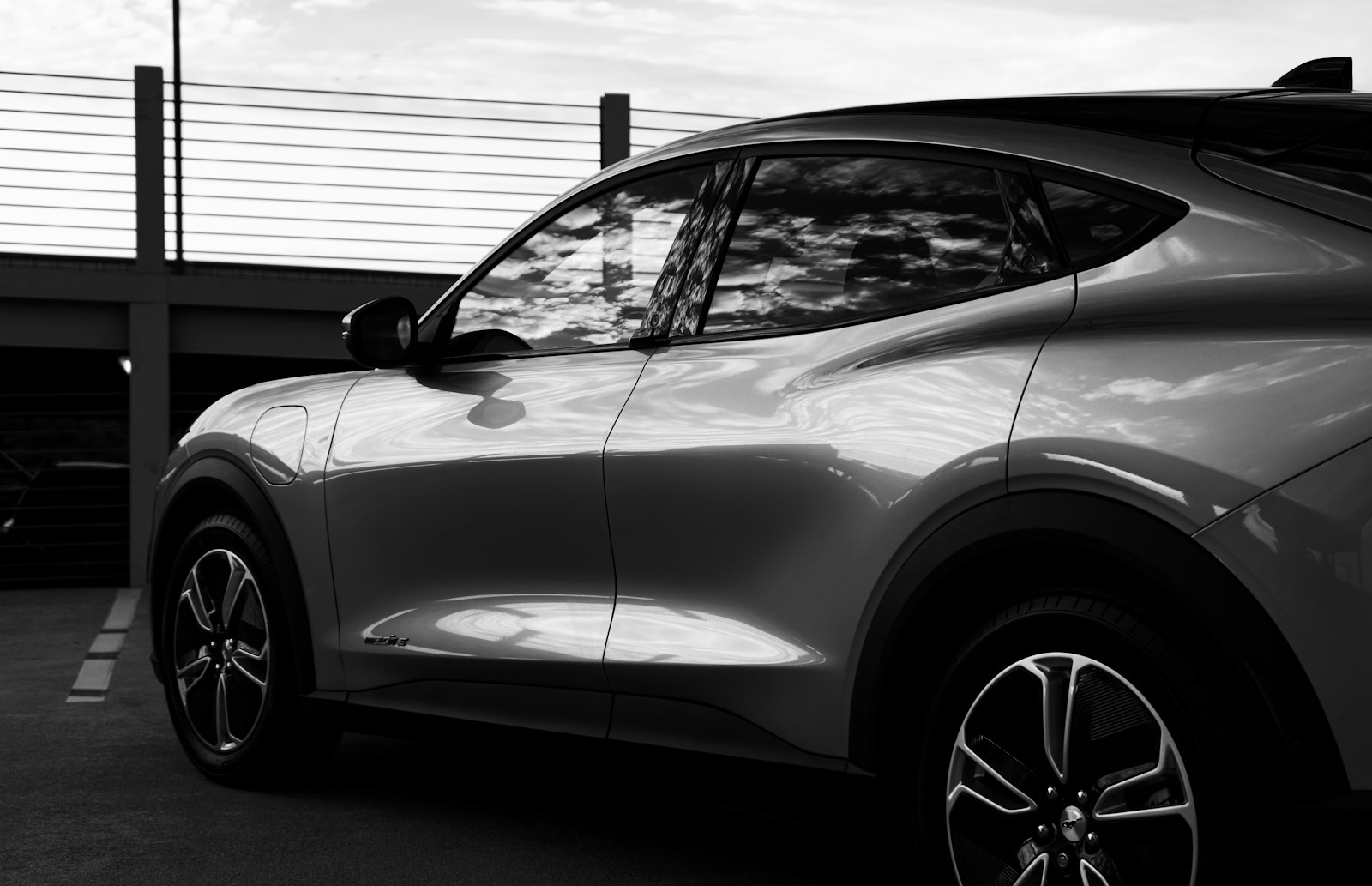
The growing divide between Baby Boomers and Generation Z regarding electric vehicles (EVs) underscores a significant generational gap in attitudes toward technology and sustainability. As electric car sales surged 60% in 2022, reaching 1.3 million units sold in the United States, the differing perspectives between these two age groups have become increasingly apparent. Understanding these differences is critical as automakers and policymakers navigate the future of transportation and environmental impact.
1. Environmental Awareness
Generation Z is generally more environmentally conscious compared to Baby Boomers, who may not have grown up with the same emphasis on climate change. Studies indicate that 70% of Gen Z considers the environmental impact when making purchase decisions, while only about 40% of Boomers prioritize sustainability. This difference in awareness drives Gen Z’s enthusiasm for electric cars, which are often marketed as eco-friendly alternatives to traditional vehicles.
2. Financial Considerations
Baby Boomers often focus on the immediate financial implications of purchasing an electric vehicle, including higher upfront costs. For instance, the 2022 Tesla Model 3 starts at $46,990, whereas a comparable gas-powered sedan may cost around $25,000. Conversely, Gen Z tends to view the long-term savings on fuel and maintenance costs as more significant, especially given that EVs can save owners an estimated $800 annually in fuel costs alone.
3. Technology Comfort Level
Generation Z is a digital-native cohort, comfortable with technology and innovation. This comfort extends to electric vehicles, which often feature advanced technology like autopilot systems and smartphone integration. On the other hand, many Baby Boomers may feel overwhelmed by these features, preferring traditional vehicles that offer familiar controls and experiences. This technological divide can create hesitation among Boomers to embrace EVs fully.
4. Charging Infrastructure
The availability of charging stations is a crucial factor influencing both generations’ opinions on electric vehicles. Gen Z is generally more optimistic about the growing infrastructure, with over 100,000 public charging stations expected to be operational by 2025. However, many Boomers express concerns about the accessibility and convenience of charging compared to traditional gas stations, which are more prevalent and familiar.
5. Performance and Range Anxiety
Range anxiety—the fear that an electric vehicle will run out of battery power before reaching a destination—remains a significant concern for Baby Boomers. While many newer models, like the 2023 Ford Mustang Mach-E, offer ranges exceeding 300 miles, Boomers may still be influenced by older models with significantly shorter ranges. In contrast, Gen Z is more willing to adapt their driving habits and plan charging stops, viewing EVs as a viable option for everyday use.
6. Cultural Influences
Electric vehicles are often associated with progressive values and a shift toward sustainability, resonating strongly with the cultural attitudes of Generation Z. Many Gen Z individuals see owning an electric vehicle as a statement of personal values and social responsibility. In contrast, Baby Boomers may view cars more traditionally, focusing on performance, brand loyalty, and personal nostalgia, which can lead to resistance against adopting electric alternatives.
7. Government Incentives and Policies
Government incentives for electric vehicle purchases, such as tax credits and rebates, play a significant role in shaping opinions. Currently, the federal government offers a tax credit of up to $7,500 for eligible electric vehicles, which could sway younger buyers. However, Baby Boomers may be less inclined to rely on these incentives, viewing them with skepticism, especially given the political debates surrounding climate policies and electric vehicle subsidies.
Conclusion: Bridging the Gap
The stark differences in opinions about electric vehicles between Baby Boomers and Generation Z reflect broader societal shifts and varying priorities. While Gen Z embraces electric cars for their environmental benefits and technological innovations, Boomers often focus on practicality and traditional values. As the automotive industry continues to evolve and electric vehicles become more mainstream, it is crucial for both generations to engage in conversations that can bridge this divide. The future of transportation depends on understanding these perspectives and fostering a collaborative approach toward sustainable mobility.
As the demand for electric vehicles grows, it is essential for consumers to stay informed and understand the implications of their choices. Whether you are a Baby Boomer reconsidering your options or a Gen Z advocate for eco-friendly technology, now is the time to participate in the conversation about the future of electric vehicles. Stay engaged, consider the facts, and make informed decisions that align with your values and lifestyle.