

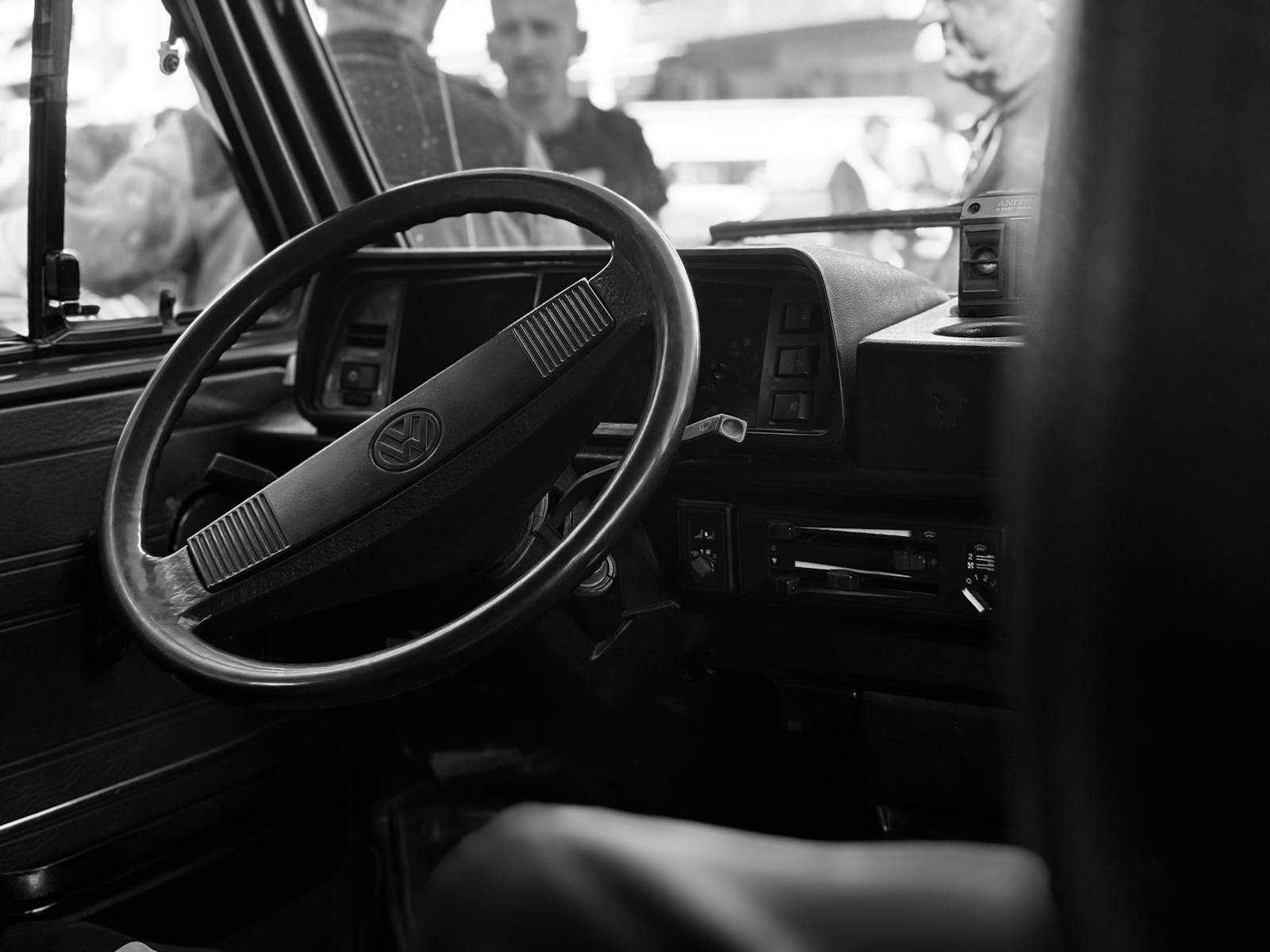
The automotive industry continues to evolve rapidly, leaving many Baby Boomers longing for features they once cherished in their vehicles. As modern cars prioritize technology and efficiency, certain classic features have been phased out entirely, leaving an entire generation feeling alienated from the latest models. This shift matters not only for nostalgia but also for consumer choice, as Boomers represent a significant market segment with distinct preferences.
1. Bench Seats
One of the most nostalgic features for many Boomers is the traditional bench seat. This design, prevalent in models like the 1970 Chevrolet Impala, allowed for more passenger space and a sense of togetherness. However, automakers have largely moved to bucket seats for safety and design reasons, leaving many Boomers feeling cramped in modern vehicles. According to a 2022 survey, 64% of respondents aged 55 and older expressed a preference for bench seating for its comfort and ability to accommodate families.
2. Manual Window Cranks
Before the age of power windows, manual window cranks were a standard feature in vehicles. Models like the 1985 Ford Mustang relied on these simple mechanisms, allowing drivers to control their windows without electrical components. Despite their simplicity and reliability, automakers have phased out manual cranks, citing safety concerns and the need for vehicle efficiency. Many Boomers, however, miss the tactile experience and ease of maintenance that manual windows provided.
3. Analog Gauges
As digital dashboards become the norm, many Boomers find themselves missing traditional analog gauges. Vehicles such as the 1998 Dodge Ram featured easy-to-read dials that provided instant feedback on speed, fuel, and engine temperature. Digital displays, while sleek, can be less intuitive and harder to read at a glance, especially for older drivers. A recent study indicated that 72% of drivers aged 60 and above prefer analog gauges for their simplicity and reliability.
4. Simpler Interiors
Modern car interiors are often cluttered with technology and digital interfaces, which can overwhelm older drivers. In contrast, vehicles from the 1990s, like the Toyota Camry, featured straightforward dashboard layouts and fewer buttons. Many Boomers appreciate the simplicity of these designs, which allowed for easier navigation and less distraction while driving. Industry experts suggest that as cars become increasingly complex, the demand for simpler interiors may rise among older consumers.
5. Rear-Facing Jump Seats
Once a common feature in family vehicles, rear-facing jump seats offered extra seating without compromising cargo space. Models such as the 1992 Chevrolet Suburban often included these seats, which provided a unique viewing experience for kids. However, modern safety regulations and design preferences have led to the elimination of rear-facing seats in favor of more rigid structural designs. Many Boomers reminisce about the joy of family road trips with children facing the rear, a feature they believe fostered connection and fun.
6. Built-In Ashtrays
With the decline of smoking and increasing health awareness, built-in ashtrays have vanished from the majority of new vehicles. Cars like the 1989 Honda Accord came equipped with dedicated spaces for smokers, a feature that many Boomers valued. While automakers emphasize health and sustainability, the absence of ashtrays may alienate a segment of older drivers who remember a time when smoking was commonplace during road trips. This demographic continues to express frustration over the loss of what they consider a practical feature.
The Future of Automotive Design
The automotive industry is undoubtedly changing, driven by advancements in technology and a focus on safety. However, the features that Baby Boomers cherish are being left behind in favor of modern innovations. While automakers aim to attract younger consumers, they may be neglecting the preferences of an older demographic that has significant purchasing power. According to recent data, Baby Boomers are responsible for approximately 40% of new car sales, highlighting the importance of understanding their needs in the evolving market.
Conclusion: A Call to Action
As the automotive landscape continues to shift, it is crucial for manufacturers to consider the preferences of Baby Boomers alongside those of younger generations. The nostalgia for classic features like bench seats and analog gauges represents an opportunity for automakers to innovate while still honoring tradition. Consumers are encouraged to voice their preferences to manufacturers and advocate for a balance between modern advancements and the cherished features of the past. As Boomers continue to seek vehicles that resonate with their experiences, the automotive industry must evolve to meet these demands or risk alienating a vital market segment.