

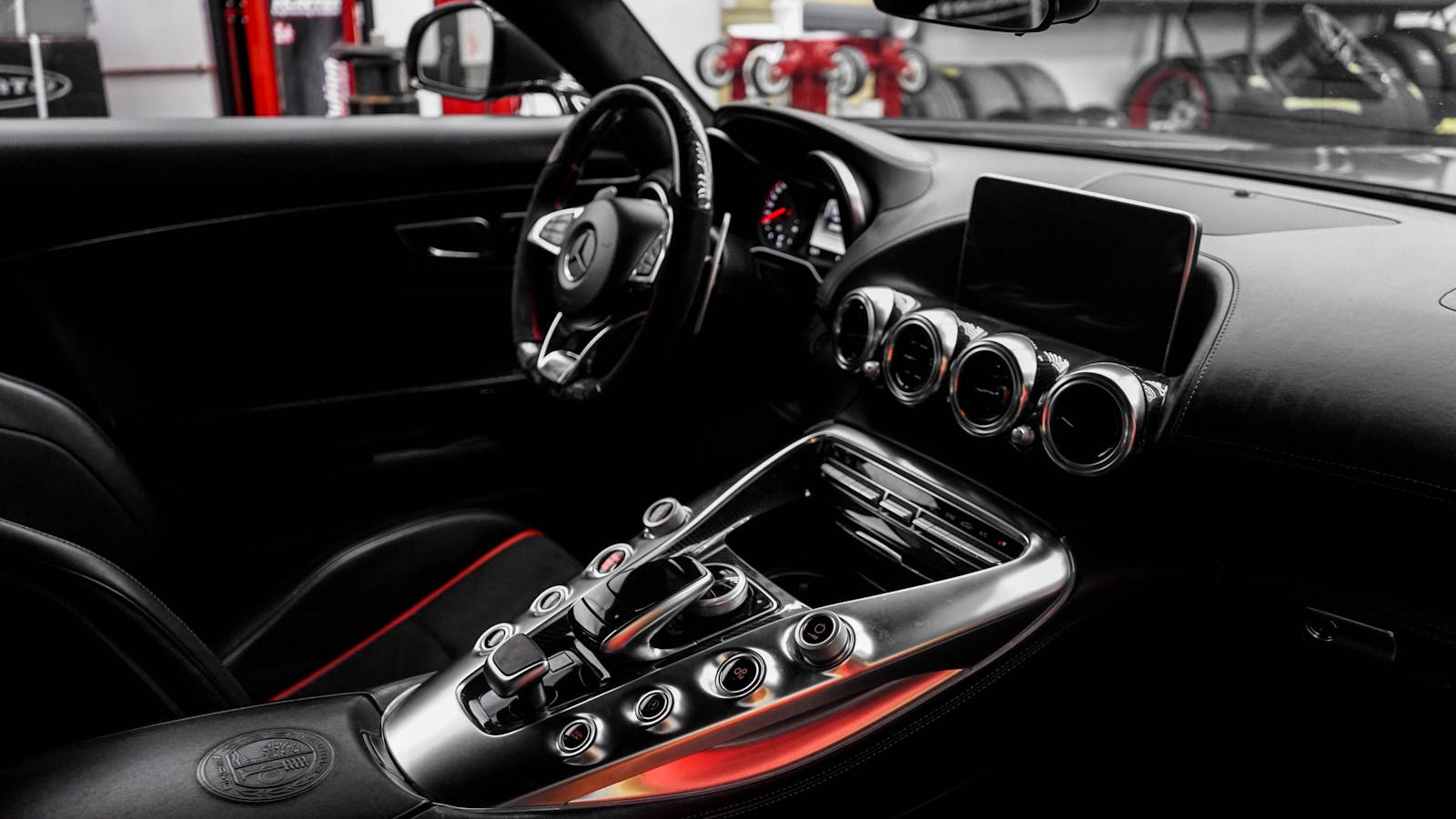
In an effort to cut costs amidst rising production expenses, automakers have begun eliminating a variety of features from their vehicles, impacting consumers seeking enhanced functionality and comfort. From high-tech infotainment systems to basic amenities, these changes are reshaping the automotive landscape, particularly affecting models produced in recent years.
1. Heated Seats
One of the most noticeable removals is the elimination of heated seats, which were once considered a standard luxury. For example, the 2021 Chevrolet Malibu no longer offers this feature in its base model to save roughly $150 per vehicle. As consumers increasingly demand comfort, the absence of heated seats in mid-range models may deter buyers, especially in colder climates.
2. Adaptive Cruise Control
Adaptive cruise control, a feature that automatically adjusts a vehicle’s speed to maintain a safe distance from the car in front, has also vanished from several models. The 2022 Honda Civic, which previously included this feature in its standard package, now offers it only in higher trims. This change can be traced back to cost-saving measures that aim to reduce the overall expenditure of vehicle production by approximately $300 per unit.
3. Premium Sound Systems
High-quality audio systems have become a casualty of cost-cutting as manufacturers like Ford drop premium sound options from their vehicles. The 2021 Ford Explorer, for example, removed the option for a high-end Bang & Olufsen sound system, saving around $800 per vehicle. As a result, many drivers are left with basic audio systems that lack the immersive sound experience that once defined mid-range models.
4. Remote Start Features
Remote start systems, which allow drivers to start their vehicles from a distance, have been eliminated from several popular models. The 2023 Toyota RAV4, for instance, no longer includes this feature unless buyers opt for a higher trim level. Automakers estimate that this decision saves them about $200 per vehicle, but it could lead to buyer dissatisfaction, particularly in regions where cold weather makes remote start a coveted feature.
5. Navigation Systems
In an age where smartphones provide navigation at no cost, many automakers have opted to remove built-in GPS systems from their vehicles. The 2022 Nissan Altima is a prime example; it no longer offers an integrated navigation system in its base model, effectively saving the company around $400. This shift places added pressure on consumers to rely on their mobile devices for navigation, which can be inconvenient and distracting while driving.
6. Third-Row Seating
Third-row seating has become a target for elimination, particularly in SUVs and crossover vehicles. The 2023 Kia Sorento dropped its third-row option in certain trims, saving the manufacturer approximately $600 per vehicle. This decision limits the versatility and appeal of these vehicles for families or individuals needing extra seating capacity, potentially steering buyers toward competitors that still offer this feature.
7. Advanced Safety Features
Automakers have also been scaling back on advanced safety features, which are increasingly seen as essential by consumers. In the latest iteration of the 2023 Subaru Outback, the availability of side-view cameras has been removed to cut costs. This feature, which provided an added layer of safety for lane changes, would have cost Subaru around $250 per unit. The elimination of such features could raise safety concerns among consumers, especially as road safety becomes a growing priority.
Consumer Reactions
The removal of these features has sparked mixed reactions among consumers. Many buyers are frustrated by the loss of amenities they once considered standard, particularly as vehicle prices continue to rise. According to a recent survey by J.D. Power, 63% of consumers believe that removing features to save costs diminishes the overall value of a vehicle. As automakers navigate the balance between profitability and consumer satisfaction, the question remains whether these sacrifices will ultimately impact sales.
The Road Ahead
As automakers continue to grapple with increased material costs and supply chain disruptions, the trend of removing features may persist. Analysts predict that this could lead to a significant shift in consumer preferences, where buyers increasingly prioritize models that retain essential comfort and safety features. Consumers may need to adjust their expectations and conduct thorough research before purchasing vehicles, as the elimination of features could become more commonplace.
In conclusion, the automotive industry is undergoing a significant transformation as manufacturers seek to save costs by removing features that consumers have come to expect. Buyers should remain vigilant and informed about these changes, as they can impact both the driving experience and overall vehicle safety.