

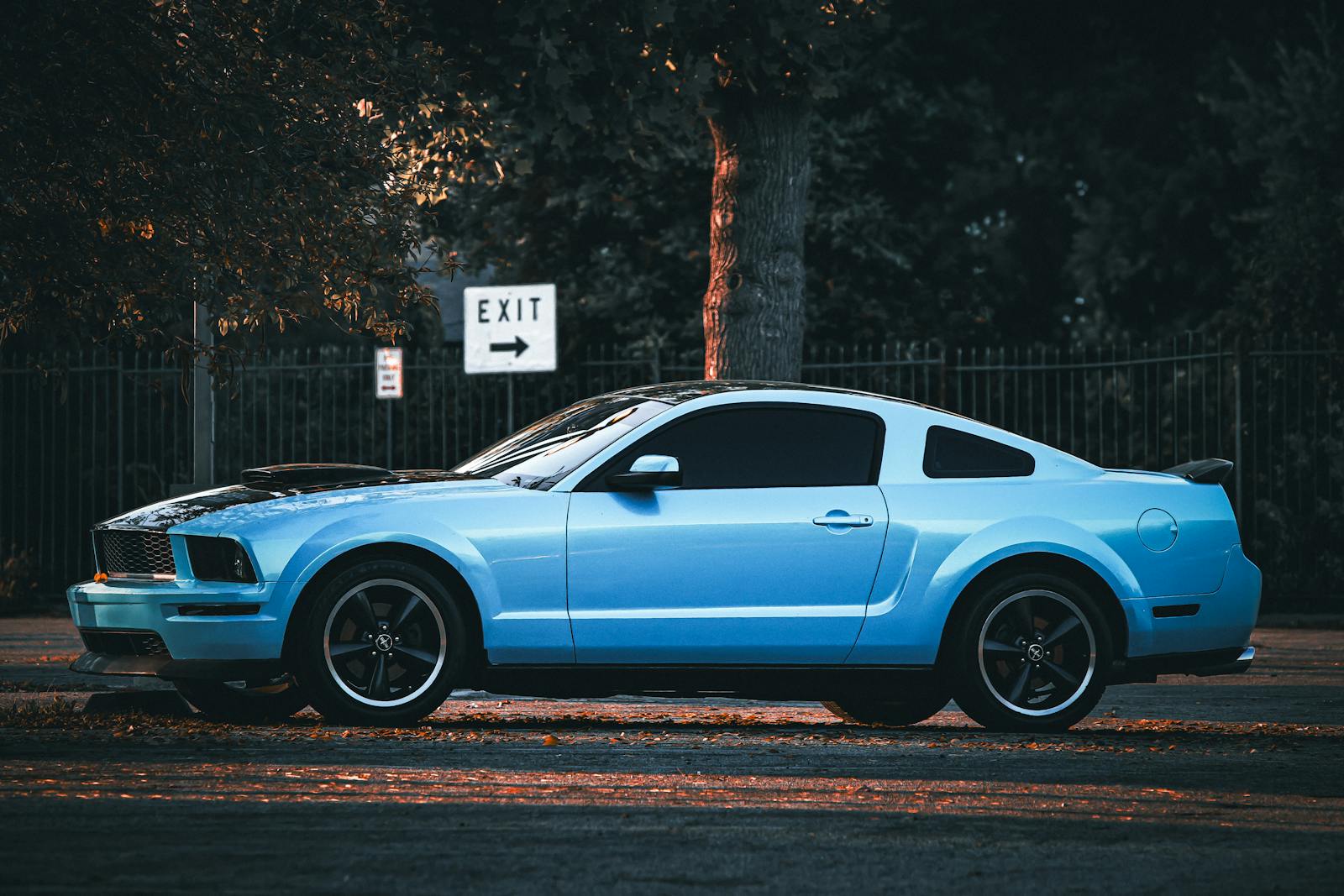
The muscle car debate continues to divide automotive enthusiasts, particularly those who grew up during the golden age of American muscle cars in the late 1960s and early 1970s. This discussion has gained renewed urgency as the automotive industry shifts towards electric vehicles (EVs), prompting many to question the legacy and future of traditional gas-powered muscle cars like the Ford Mustang and Chevrolet Camaro. As the market for these iconic vehicles declines, it raises critical questions about their place in automotive history and culture.
The Golden Era of Muscle Cars
The muscle car phenomenon began in the mid-1960s, characterized by powerful V8 engines and aggressive styling that appealed to a generation of car lovers. Models such as the 1968 Chevrolet Camaro and the 1970 Dodge Charger became symbols of freedom and rebellion. According to the Automotive News Data Center, muscle car sales peaked in 1970, with over 300,000 units sold that year alone, highlighting their immense popularity.
However, the oil crisis of the 1970s and increasing emissions regulations led to a significant decline in muscle car production. Many iconic models were discontinued or severely downsized in power and performance, sparking debates among enthusiasts over what constitutes a “true” muscle car. These discussions often center on how muscle cars should balance raw power, speed, and modern technology.
The Revival in the 21st Century
In the early 2000s, muscle cars experienced a revival with the reintroduction of models like the Ford Mustang (2005), Chevrolet Camaro (2010), and Dodge Challenger (2008). These cars not only brought back the classic styling that defined the genre but also integrated modern performance enhancements, making them competitive with European sports cars. According to a report by Edmunds, sales of muscle cars surged to nearly 100,000 units in 2015, indicating a strong resurgence in popularity.
However, this revival has not quelled the debates among enthusiasts. Some argue that the modern iterations lack the raw, unrefined essence of their predecessors. Others celebrate the technological advancements that allow for better handling, safety, and fuel efficiency. The arguments often highlight what these cars have lost in terms of character versus what they have gained in practicality.
The Electric Future of Muscle Cars
The rise of electric vehicles has intensified these discussions, with automakers increasingly investing in EV technology. Ford has announced plans to release an electric version of the Mustang, the Mustang Mach-E, while Chevrolet has teased the idea of an electric Camaro. This shift is causing concern among traditionalists who fear that the essence of muscle cars could be lost in the transition to electric powertrains.
According to a survey by the American Automotive Association, nearly 75% of respondents aged 55 and older prefer traditional gas-powered vehicles, citing sensory experiences like engine sound and acceleration as key reasons. This highlights a generational divide, with younger consumers showing more openness to embracing electric vehicles. As the industry evolves, the definition of a muscle car may also change, leading to further debates on its future.
The Economic Impact
The muscle car market is not only about enthusiasts; it also has substantial economic implications. The average price of a new muscle car, such as the 2023 Ford Mustang, is around $43,000, making it a significant investment for consumers. The continued production and sales of these vehicles contribute to job creation in manufacturing and related sectors. In 2021, the automotive industry contributed over $400 billion to the U.S. economy, underscoring the importance of keeping these iconic models alive.
As automakers navigate the balance between tradition and innovation, the muscle car community remains a passionate and vocal group. Events like the Muscle Car and Corvette Nationals attract thousands of attendees, showcasing a robust culture that continues to celebrate these classic vehicles. However, the clock is ticking, as the automotive industry shifts gears towards sustainability and electrification.
Conclusion: The Future is Now
The ongoing arguments about muscle cars reflect deeper cultural shifts within the automotive community and society at large. As more manufacturers pivot towards electric vehicles, the future of iconic models hangs in the balance, challenging enthusiasts to reconsider what they value in a performance vehicle. The muscle car debate is more than just a nostalgic reminiscence; it is a reflection of changing times, values, and technological advancements.
For readers who care about the future of muscle cars, it’s essential to engage in these conversations and advocate for preserving the heritage of American performance vehicles. Whether through attending car shows, joining online forums, or voicing opinions to manufacturers, every voice matters in this ongoing discussion.