

Despite the automotive industry’s rich history, several American cars have failed to achieve legendary status, leaving enthusiasts and collectors disappointed. These vehicles, produced by some of the most recognized names in the industry, showcased innovation and performance but ultimately fell short in sales, market impact, or consumer appeal. Understanding these models not only highlights missed opportunities but also reflects the ever-changing landscape of American automotive culture.
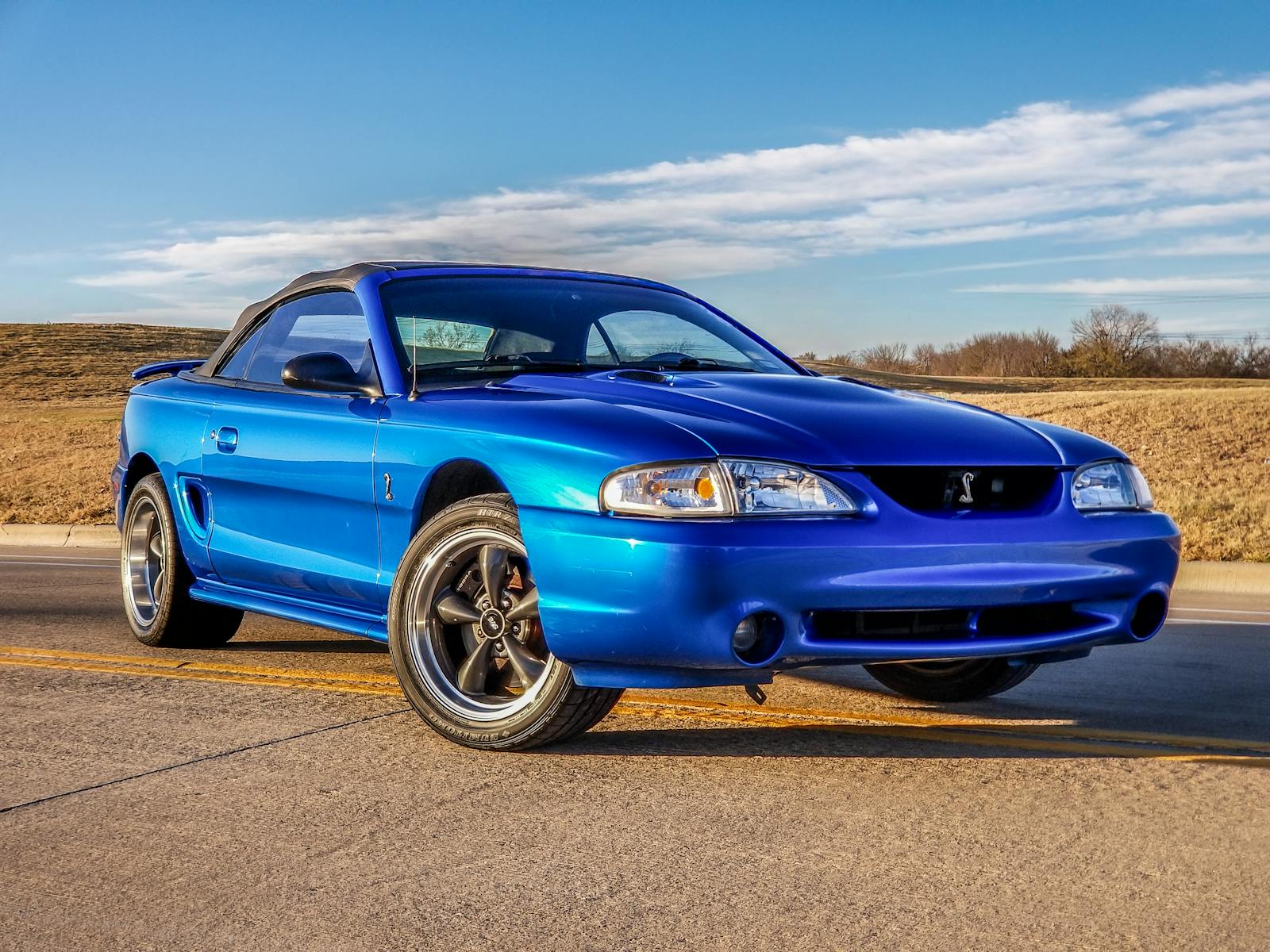
1. Ford SVT Cobra (1993-2004)
The Ford SVT Cobra was designed to be a high-performance version of the Mustang, featuring powerful V8 engines and upgraded suspension systems. Despite its impressive specifications, including a 305-horsepower output in its 1993 iteration, the Cobra struggled to maintain consistent sales. Ford produced only 14,000 units over its eleven-year run, which limited its recognition and status among muscle car enthusiasts.
2. Chevrolet SSR (2003-2006)
The Chevrolet SSR, a retro-styled pickup truck, was introduced with great fanfare and aimed to combine the utility of a truck with the style of a convertible. Featuring a retractable hardtop and a 6.0-liter V8 engine, it was priced starting at around $41,000. However, the SSR’s unique design did not resonate with consumers, leading to only about 24,000 units sold throughout its production, preventing it from becoming the icon it was intended to be.
3. Pontiac Aztek (2001-2005)
The Pontiac Aztek is often cited as one of the most polarizing vehicles in automotive history due to its unconventional design. Despite a functional interior and a variety of innovative features, such as a removable cooler, the Aztek’s aesthetics turned away buyers. General Motors sold just over 100,000 units during its production run, far below expectations, resulting in the Aztek becoming more of a punchline than a legend.
4. Dodge Magnum (2005-2008)
The Dodge Magnum was a full-size wagon that offered a unique blend of performance and practicality with its bold styling and powerful Hemi V8 engine options. Despite receiving positive reviews for its spacious interior and handling, it sold only about 80,000 units over three years, which was insufficient to secure a lasting legacy. The Magnum’s discontinuation highlighted the declining interest in wagons in favor of SUVs and crossovers.
5. Chrysler 300C (2005-2010)
The Chrysler 300C debuted as a full-size sedan that combined luxury with performance, featuring a 5.7-liter Hemi engine and a distinctive design that turned heads. At its peak, the 300C was praised for its spacious interior and smooth ride, leading to over 200,000 sales in its first five years. However, the model’s subsequent generations failed to maintain the same level of excitement, resulting in a gradual decline in popularity and recognition.
6. Buick Grand National (1982-1987)
The Buick Grand National was a turbocharged performance version of the Buick Regal, known for its stealthy looks and impressive power output of 276 horsepower from a V6 engine. With only about 20,000 units produced in its final year, the Grand National became a cult classic among car enthusiasts. However, its limited production and the subsequent decline of Buick’s performance image prevented it from achieving legendary status, despite its strong following.
7. Oldsmobile Aurora (1995-1999)
The Oldsmobile Aurora was introduced as a luxury sedan that showcased advanced technology and a refined design. With its 4.0-liter V8 engine and innovative features, it was meant to compete with European luxury sedans. However, with only about 70,000 units sold in its first generation, the Aurora ultimately failed to establish a strong market presence, and Oldsmobile was discontinued in 2004, taking the Aurora with it.
Conclusion: The Legacy of Missed Opportunities
The stories of these seven American cars illustrate the complexities of the automotive market, where innovation and performance do not always translate into success. Although each of these models had the potential to become legends, various factors such as design choices, market trends, and brand perception ultimately hindered their recognition. For car enthusiasts and collectors, these vehicles remain treasured examples of what could have been and serve as a reminder of the fleeting nature of automotive greatness.
As the automotive landscape continues to evolve, understanding these missed opportunities can provide valuable insights for future vehicle developments. Stay informed and engaged with the automotive community, and