

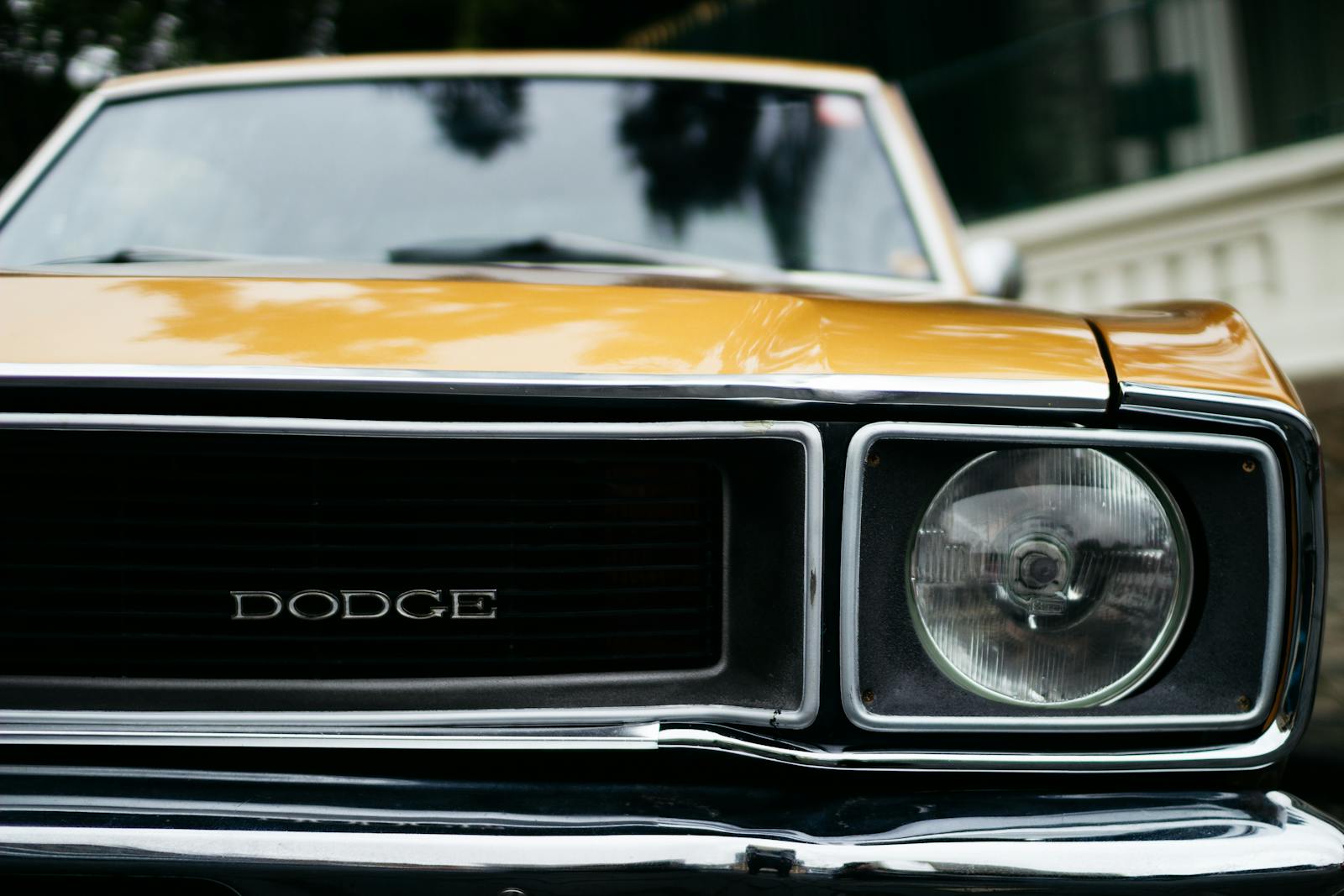
The Dodge Dart, a compact car produced by Chrysler from 1960 to 1976, remains one of the most underrated vehicles in automotive history, despite achieving remarkable sales figures during its production run. With over three million units sold, the Dart was a favorite among consumers for its affordability, style, and performance. However, its legacy has often been overshadowed by more prominent competitors, raising questions about why this classic model did not achieve even greater success in the marketplace.
Sales History and Market Impact
The Dodge Dart was first introduced in 1960 as a response to the growing demand for compact cars in the United States. At the time, American consumers were transitioning away from larger vehicles, and the Dart quickly became a popular choice due to its economical price point, which started at around $2,000. By the end of its production in 1976, the Dart had sold approximately 3.2 million units, making it one of the best-selling cars of its era.
Despite its impressive sales numbers, the Dart struggled to maintain its market position as competition intensified in the 1970s. Brands like Chevrolet, Ford, and Volkswagen began to dominate the compact segment, drawing attention away from Dodge. The introduction of vehicles such as the Ford Pinto in 1971 and the Chevrolet Vega in 1970 offered consumers additional options, which diluted the Dart’s market share.
Design and Features
What set the Dodge Dart apart from its competitors was its distinctive design and versatile features. The Dart was available in various body styles, including a two-door hardtop, four-door sedan, and convertible, appealing to a wide range of buyers. Its sleek lines and stylish interior made it visually appealing, while its performance options, including V8 engine configurations, ensured that it could compete with sportier models.
Furthermore, the Dart was known for its spacious interior, which provided ample legroom and cargo space—attributes that resonated with families and young drivers alike. The introduction of features such as air conditioning, power steering, and automatic transmissions made the Dart even more attractive to consumers looking for comfort and convenience.
Why It Should’ve Outsold Everything
Despite its many advantages, the Dodge Dart was often overlooked in favor of other compact cars that captured the public’s imagination. One reason for this may be the brand’s marketing strategy, which failed to capitalize on the Dart’s unique strengths. While competitors invested heavily in advertising campaigns that highlighted their models’ performance and innovation, Dodge’s marketing efforts were less aggressive.
Moreover, the Dart’s reputation suffered due to perceptions of reliability issues, particularly in later models. As consumers became more discerning, they gravitated towards brands known for their dependability, such as Honda and Toyota. This shift in consumer behavior contributed to the Dart’s decline in sales during the 1970s.
Legacy and Cultural Significance
The Dodge Dart’s impact on automotive culture cannot be understated. The vehicle has become a symbol of American engineering and design from the mid-20th century. It has garnered a dedicated following among classic car enthusiasts, with many restored models still gracing the roads today. The Dart’s legacy lives on in the form of various car clubs and events celebrating its history.
Furthermore, the Dart has been featured in numerous films and television shows, further cementing its status in popular culture. Classic car collectors often seek out Darts for their unique style and historical significance, demonstrating that the model has made a lasting impression long after its production ceased.
The Modern Resurgence of Interest
In recent years, there has been a revival of interest in classic cars, including the Dodge Dart. Collectors and automotive enthusiasts are increasingly searching for vintage vehicles, leading to a spike in prices for well-preserved models. Auctions have seen Darts fetching impressive sums, with some pristine examples selling for upwards of $30,000, a testament to their enduring appeal.
Moreover, Dodge’s reintroduction of the Dart nameplate in 2013, though short-lived, indicates that there is still a market for this iconic name. The modern Dart attempted to capture the spirit of its predecessor by offering contemporary technology and styling. However, it struggled to achieve the same level of success, highlighting the challenges of reviving a classic brand in a highly competitive market.
Conclusion
While the Dodge Dart may not have outsold its competitors during its prime, its legacy continues to resonate with car enthusiasts and collectors today. With its impressive sales history, distinct design, and cultural significance, the Dart remains a classic that should have achieved greater fame.