

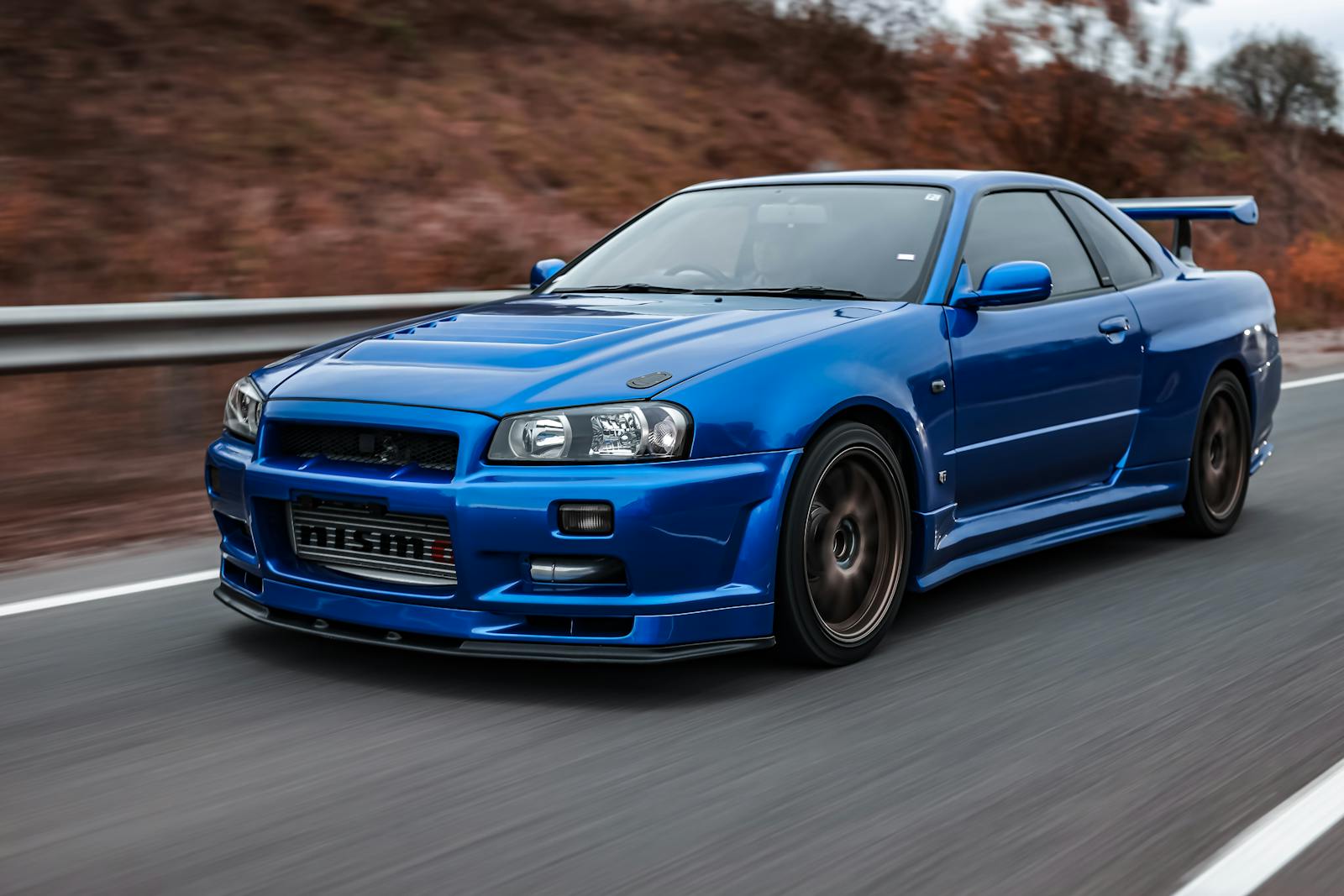
The Nissan Skyline GT-R, once hailed as a performance icon in the world of Japanese Domestic Market (JDM) cars, is now facing criticism for its perceived lack of speed and performance in today’s automotive landscape. This shift in perception affects a broad range of enthusiasts and collectors who have long cherished the GT-R for its engineering prowess and racing pedigree. As automotive technology rapidly evolves, the very qualities that made the GT-R a standout in the 1990s now seem inadequate when compared to modern vehicles.
The Legacy of the Nissan Skyline GT-R
The Nissan Skyline GT-R, particularly the R32 model produced from 1989 to 1994, is often considered the pinnacle of JDM engineering. Equipped with a 2.6-liter inline-six engine, it featured advanced technologies like all-wheel drive and a sophisticated multi-link suspension system. The R32 achieved remarkable success in motorsports, winning numerous championships and earning the nickname “Godzilla” for its dominance on the racetrack.
However, as automotive advancements progressed, the performance metrics that once defined the GT-R began to fade. While the R32 could achieve a 0-60 mph time of around 5.6 seconds, newer vehicles in the same price range now boast figures below 4 seconds, raising questions about the GT-R’s relevance in today’s market.
Comparative Performance in 2023
As of 2023, the average 0-60 mph time for modern sports cars, such as the Ford Mustang GT and Chevrolet Camaro SS, hovers around 4 seconds. For context, these vehicles are powered by V8 engines that deliver significantly more horsepower than the Skyline’s 276 hp, which was limited due to Japanese auto regulations at the time. The Nissan GT-R (R35), produced from 2007 to 2020, offered better performance with a 0-60 mph time of approximately 3.5 seconds, but its production has ended, leaving fans longing for a new model that captures the original’s spirit.
The Impact of Technology and Regulation
Modern vehicles benefit from technological advancements that the original Skyline GT-R simply cannot compete with. Features such as turbocharging, adaptive suspensions, and advanced computer systems allow today’s cars to deliver superior performance and handling. Additionally, stricter emissions regulations and safety standards have led to heavier vehicles, which often negate some of the performance gains.
Moreover, the shift towards hybrid and electric vehicles is changing the performance landscape entirely. Cars like the Tesla Model S Plaid demonstrate that electric powertrains can achieve blistering acceleration without the same limitations that plagued traditional internal combustion engines. This evolution leaves the GT-R, with its aging design and technology, at a disadvantage.
Market Demand and Collectibility
Despite its slower performance relative to modern competitors, the Nissan Skyline GT-R remains highly sought after by collectors, particularly the R32 model. The demand for this iconic car has driven prices up significantly, with well-maintained examples fetching upwards of $50,000 at auction. However, the growing interest in performance metrics means that some enthusiasts are beginning to question whether the investment in such a vehicle is justified in light of its performance shortcomings.
Indeed, the collector car market has seen a sharp rise in prices for performance vehicles, with notable increases of 30% in the last year alone. Yet, as buyers become more performance-focused, historical significance may not be enough to sustain interest in models like the GT-R if they cannot compete on the track.
The Future of the GT-R
Nissan has hinted at a new generation of the GT-R, but details remain scarce. Enthusiasts are hopeful that the next iteration will incorporate modern performance technologies while still honoring the car’s rich heritage. The future model’s ability to compete with contemporary sports cars will be crucial in determining whether the GT-R can maintain its iconic status.
As automotive trends shift towards electrification, it remains to be seen how the GT-R will adapt. With brands like Porsche and Ferrari already making strides in hybrid performance vehicles, Nissan faces significant pressure to innovate and keep pace with the evolving market.
An Urgent Call to Action
The Nissan Skyline GT-R’s decline in performance relative to modern vehicles is a reflection of broader trends in the automotive industry. Enthusiasts and collectors must now consider not only the historical significance of their favorite models but also how these vehicles measure up in today’s fast-paced market. As the automotive landscape continues to change, fans of the GT-R should stay informed about Nissan’s next steps and advocate for innovations that will preserve the spirit of this legendary car.