

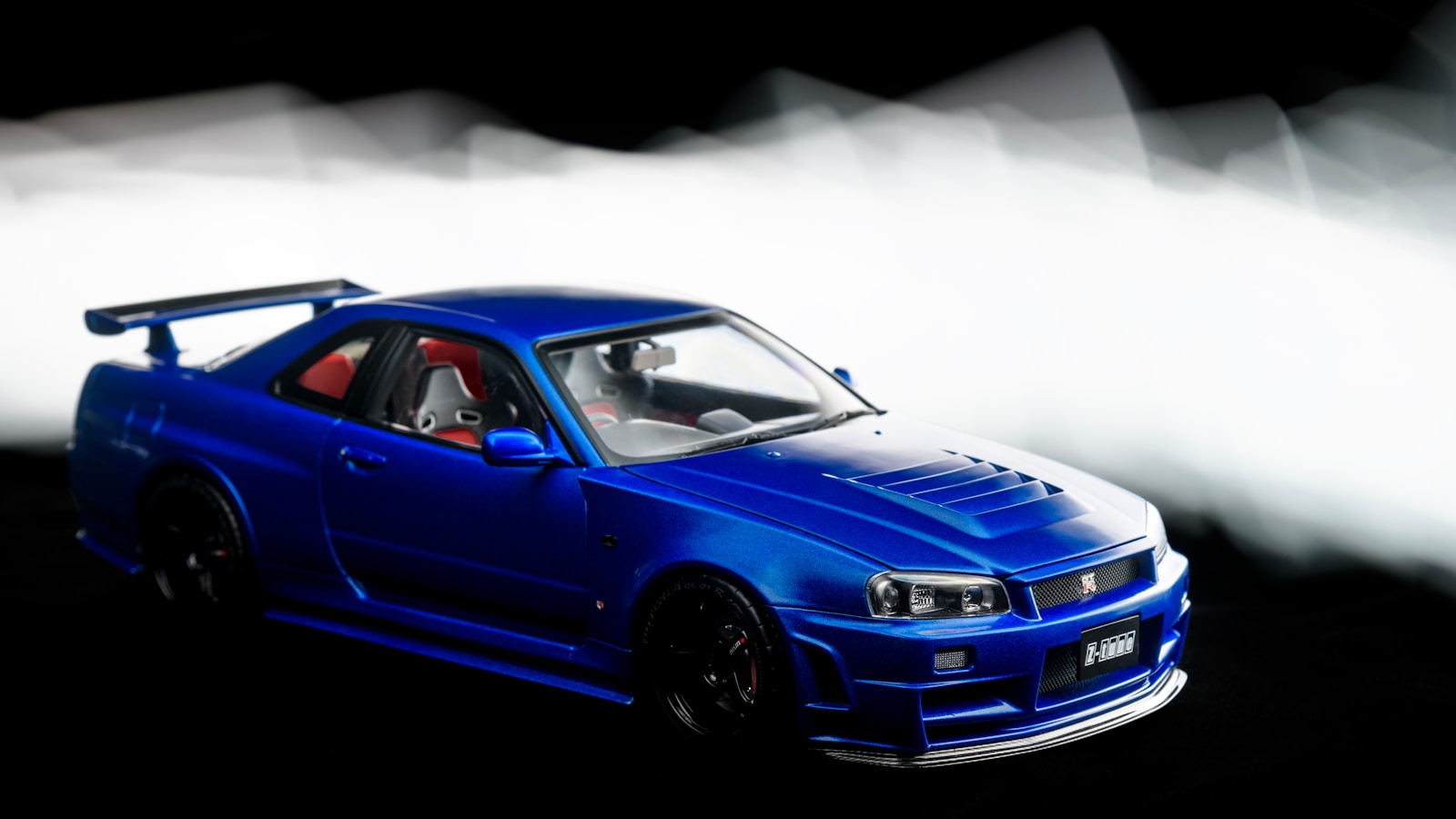
The Honda Civic Type R (2002-2006) has been heralded as a cult classic among Japanese Domestic Market (JDM) enthusiasts, but recent assessments question whether it genuinely deserves such acclaim. As the automotive community continues to dissect its legacy, the Civic Type R’s performance, reliability, and overall appeal come under scrutiny, impacting both collectors and everyday drivers who may be considering this model.
Background of the Civic Type R
Launched in 2002, the Honda Civic Type R was aimed at a niche market of performance-driven consumers. It featured a naturally aspirated 2.0-liter K20 engine, producing approximately 200 horsepower, coupled with a lightweight chassis. This combination made it a formidable contender on the track, but its reputation as a street-friendly vehicle has been increasingly challenged over the years.
Performance vs. Practicality
On paper, the Civic Type R boasts impressive specifications that appealed to racing aficionados. The model offers a 0-60 mph time of around 6.0 seconds, which was competitive for its time. However, many enthusiasts have pointed out significant shortcomings in everyday driving scenarios. The car’s stiff suspension and aggressive tuning make it less than comfortable for daily commutes, often leaving drivers questioning the practicality of their purchase.
Reliability Concerns
Honda has long been synonymous with reliability, but the Civic Type R has faced its share of issues. Reports indicate that some owners have experienced premature wear on key components, including the clutch and transmission. A survey conducted by the automotive review site CarComplaints.com revealed that nearly 30% of owners reported issues with the car’s drivetrain, raising concerns about the long-term viability of this supposedly reliable vehicle.
Market Trends and Sales Data
Despite its questionable performance and reliability, the Civic Type R has seen a surge in prices among collectors, with some models fetching upwards of $30,000 at auctions. The demand has been fueled by a small but passionate community that venerates the car’s racing pedigree and limited production numbers. However, as the market matures and more owners share their experiences, there may be a downward trend in interest, particularly if new generations of performance vehicles continue to eclipse it.
Comparisons with Competing Models
When stacked against its contemporaries, such as the Subaru WRX STI and the Mitsubishi Lancer Evolution, the Civic Type R falls short in several categories. Both competitors offer all-wheel drive, a feature increasingly favored by drivers in varied weather conditions. In contrast, the front-wheel-drive Civic Type R can struggle with traction, especially in adverse conditions, which could deter potential buyers looking for a versatile performance car.
Community Sentiment
While the Civic Type R has a loyal fanbase, many enthusiasts have begun to voice their concerns over the model’s shortcomings. Online forums and social media platforms are rife with discussions about whether the car’s cult status is warranted. Some long-time fans argue that the Civic Type R’s legacy as a track-ready vehicle overshadows its practical drawbacks, while others find it hard to overlook its limitations in everyday use.
Future of the Civic Type R
With the automotive landscape rapidly evolving, the future of the Civic Type R remains uncertain. Honda recently announced plans to introduce a new generation of the model, promising improved performance and reliability. However, the brand needs to address the criticisms that have surfaced over the years to regain the confidence of potential buyers and collectors alike.
Conclusion
The Honda Civic Type R (2002-2006) has undoubtedly carved out a niche in automotive history, but its cult following is increasingly being challenged by emerging evidence. As performance standards rise and consumer expectations evolve, it remains to be seen whether this model will maintain its revered status. Potential buyers should weigh the car’s impressive specifications against the practicality and reliability issues that have come to light.
For enthusiasts considering a purchase, it’s crucial to conduct thorough research and gather firsthand accounts from current owners. The automotive world is full of choices, and weighing options carefully can save both money and regret in the long run. Stay informed and make educated decisions to ensure your next vehicle is one that truly meets your needs.