

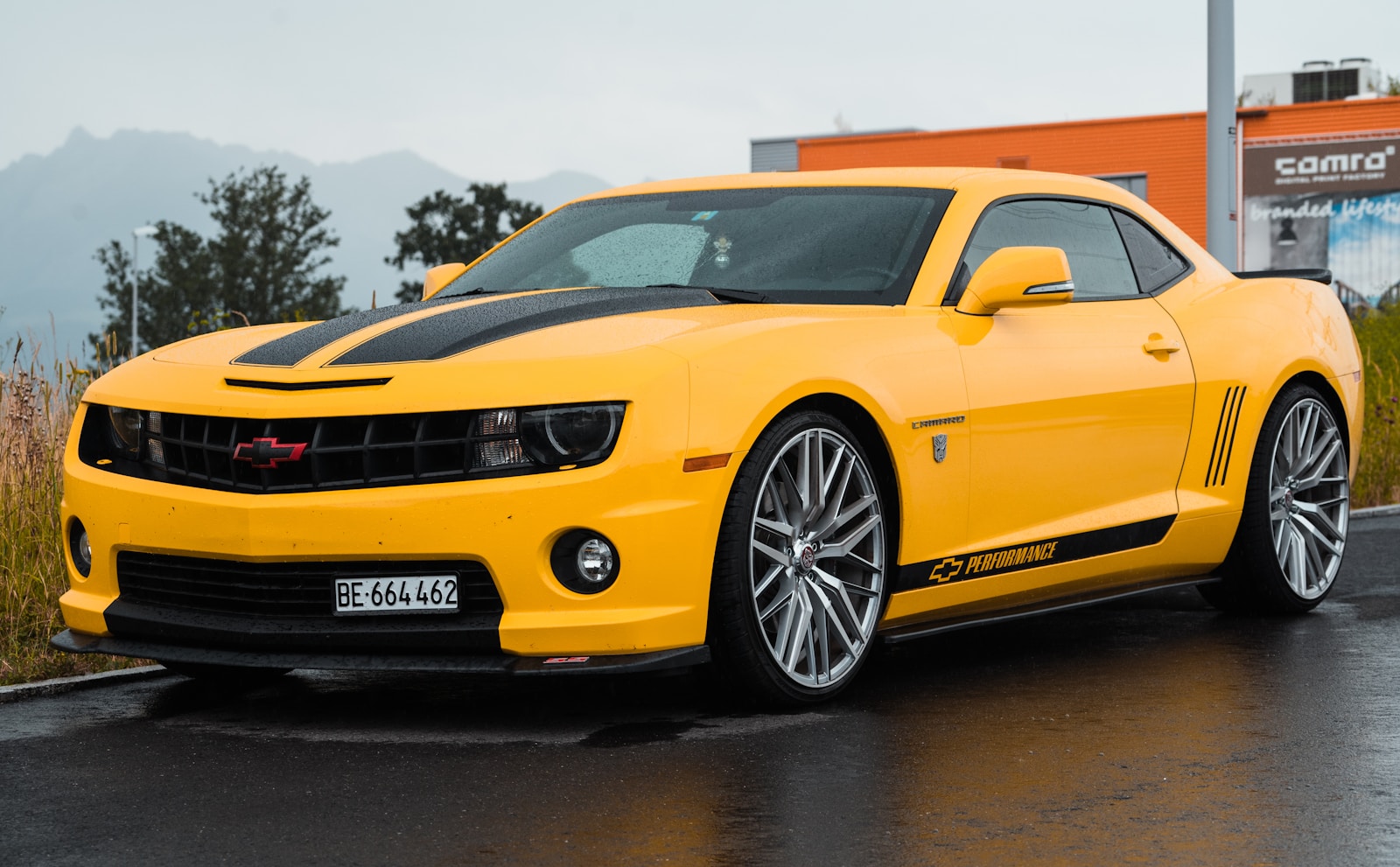
In the competitive world of muscle cars, some models fail to hit the mark despite ambitious designs and powerful engines, ultimately leaving enthusiasts disappointed. Here’s a closer look at five muscle cars that tried too hard, affecting buyers’ perceptions and sales figures in a market that values both performance and authenticity. Understanding these missteps is crucial for potential buyers looking to invest in classic American muscle.
1. 2000 Ford Mustang SVT Cobra R
The 2000 Ford Mustang SVT Cobra R was designed as a race-ready version of the already popular Mustang. With a 5.4-liter supercharged V8 engine producing 385 horsepower, it was engineered for high performance on the track. However, its aggressive styling and lack of practicality—most notably the absence of rear seats—alienated many traditional muscle car fans. Only 300 units were produced, and despite its impressive specs, the high price tag of around $55,000 made it a hard sell, leading to a significant depreciation over time.
2. 2010 Dodge Challenger SRT8 392
The 2010 Dodge Challenger SRT8 392 aimed to recapture the glory days of muscle cars with its bold design and 6.4-liter HEMI V8 engine producing 470 horsepower. While the performance was commendable, the car’s hefty weight of over 4,000 pounds hampered its agility, making it feel less responsive than competitors. Additionally, the fuel economy, rated at just 14 mpg in the city, left many buyers questioning its practicality. The high-performance model struggled to maintain a solid buyer base, with sales dropping 20% in 2011 compared to its debut year.
3. 2005 Pontiac GTO
The 2005 Pontiac GTO attempted to revive the classic muscle car spirit, but it faced criticism for not living up to its heritage. Equipped with a 6.0-liter V8 engine producing 400 horsepower, the GTO had the performance chops. However, its sedan-like appearance failed to resonate with fans expecting a more aggressive aesthetic. Sales dropped drastically, with only 13,000 units sold in its best year, prompting Pontiac to discontinue the model by 2006, marking a disappointing end to a once-legendary nameplate.
4. 2013 Chevrolet Camaro ZL1
The 2013 Chevrolet Camaro ZL1 was marketed as a high-performance version of the popular Camaro, featuring a supercharged 6.2-liter V8 engine generating 580 horsepower. Although it boasted impressive acceleration capabilities, the car’s bulky design and heavy steering made it less enjoyable for everyday driving. The ZL1’s price starting at $55,000 put it out of reach for many enthusiasts, further complicating its appeal. In a market where affordability often drives sales, the ZL1’s struggles were evident as its sales fell below expectations, leading to a 30% decline in the following year.
5. 2016 Dodge Charger SRT Hellcat
The 2016 Dodge Charger SRT Hellcat aimed to redefine the muscle car segment with an astounding 707 horsepower delivered from its supercharged 6.2-liter HEMI V8. While it attracted attention for its raw power, the car’s excessive performance options and high price tag of around $65,000 alienated the average buyer. Moreover, the Charger faced scrutiny for its poor fuel economy, averaging just 13 mpg in the city. As a result, while the Hellcat generated headlines, it also faced a backlash from consumers concerned about practicality, contributing to its 15% drop in sales in 2017.
Conclusion
These five muscle cars demonstrate that ambition in design and engineering can sometimes overshadow the core values that enthusiasts look for in a muscle car. Performance, style, and practicality must all align for a model to succeed in this fierce market. As buyers continue to seek the ideal blend of power and everyday usability, manufacturers should take heed of these cautionary tales. Before making a purchase, potential buyers should consider the long-term implications of investing in a muscle car that may not live up to its promises.
As muscle car enthusiasts assess their options, it’s vital to stay informed about models that may not meet expectations. Researching past performance, sales trends, and customer reviews can provide valuable insights. Don’t let the allure of horsepower blind you to the practicality and heritage that define true muscle cars. Make sure to choose wisely.