

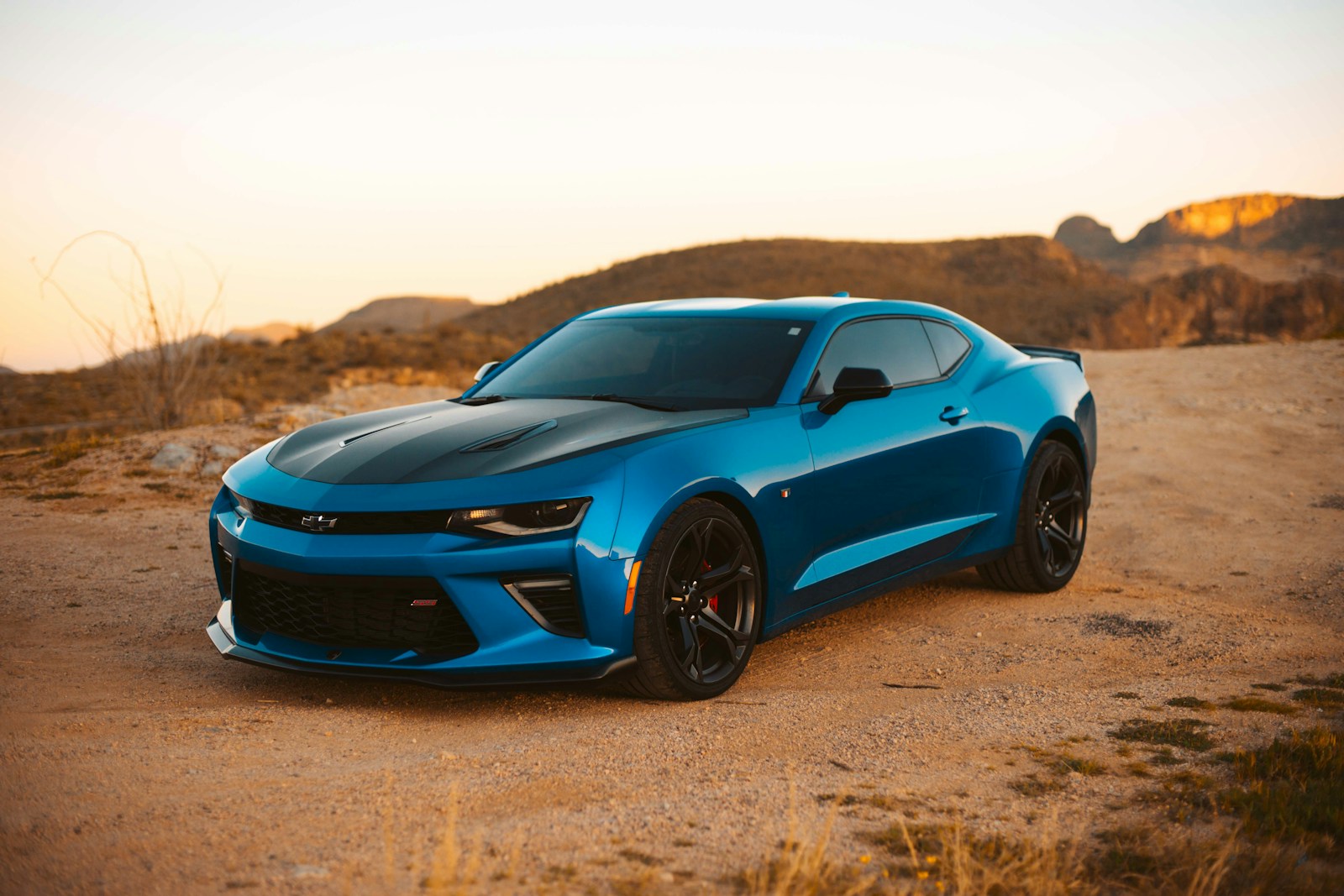
The automobile industry is often influenced by nostalgia, with several car models enjoying renewed popularity despite lacking contemporary features or performance. This phenomenon affects both consumers and manufacturers, as nostalgia-driven purchases can skew market trends and mislead production priorities. As buyers flock to these iconic vehicles, it’s essential to examine which cars are primarily riding the wave of nostalgia rather than genuine innovation or practicality.
1. Ford Mustang (1964-1973)
The Ford Mustang, especially models produced between 1964 and 1973, remains a symbol of American muscle and freedom. While newer versions have attempted to recapture the original’s essence, they often fall short in comparison. Sales numbers indicate that classic Mustangs frequently sell for upwards of $30,000 at auctions, primarily driven by their nostalgic appeal among collectors and enthusiasts.
2. Volkswagen Beetle (1938-2003, revived 2011-2019)
The Volkswagen Beetle has a unique place in automotive history, known for its quirky design and cultural significance. Despite modern iterations attempting to revive the iconic shape, the Beetle struggled to maintain sales, eventually leading to its discontinuation in 2019. The original models, however, continue to attract collectors, with prices for well-maintained vehicles often exceeding $20,000, underscoring their nostalgic allure.
3. Chevrolet Camaro (1967-2002, revived 2009-present)
The Chevrolet Camaro originally debuted in 1966 as a response to the Ford Mustang and quickly became a hallmark of American performance cars. While the current generation offers impressive specs and technology, many buyers are drawn to the classic models from the late 1960s and early 1970s. Vintage Camaros can fetch between $30,000 to $100,000, showcasing how nostalgia significantly influences demand and value in the market.
4. Dodge Charger (1966-1978, revived 2006-present)
The Dodge Charger has evolved significantly since its inception, but the classic versions from the late 1960s and early 1970s remain deeply embedded in American pop culture, thanks to their appearances in films and television. While the modern Charger is equipped with advanced technology and performance features, many buyers prefer the vintage models, which can command prices as high as $60,000 at auctions. This fascination highlights the extent to which nostalgia drives consumer behavior.
5. Jeep Wrangler (1986-present)
The Jeep Wrangler has maintained a strong identity since its inception, originally designed for military use and later transformed into a civilian favorite. While the current models boast improved comfort and technology, many buyers still romanticize the classic versions from the late 20th century. As a result, early Wranglers can sell for anywhere from $10,000 to $40,000, demonstrating how nostalgia influences purchasing decisions in the SUV market.
6. Toyota Land Cruiser (1951-present)
The Toyota Land Cruiser has a storied history as a rugged and reliable off-road vehicle. The older models, particularly those from the 1980s and 1990s, are often sought after by enthusiasts who value their durability and iconic design. Prices for these classic Land Cruisers can range from $20,000 to $70,000, reflecting the nostalgia that drives collectors to seek out these vehicles rather than newer, more technologically advanced models.
7. Nissan Skyline GT-R (1989-1994)
The Nissan Skyline GT-R, particularly the R32 and R34 models, has gained legendary status among car enthusiasts, largely due to its appearances in racing and gaming culture. Despite being out of production for decades, the dream of owning a Skyline GT-R remains alive, with prices for well-preserved models often exceeding $50,000. This phenomenon illustrates how nostalgia can create a significant market for cars that are no longer in production, overshadowing current offerings from manufacturers.
Conclusion: The Impact of Nostalgia on the Automotive Market
The trend of nostalgia in the automotive market is reshaping consumer preferences and influencing manufacturers’ strategies. Cars like the Ford Mustang, Volkswagen Beetle, and Nissan Skyline GT-R demonstrate how memories and cultural significance can drive sales, often at the expense of newer, more innovative models. As consumers continue to favor these nostalgic vehicles, industry stakeholders must recognize the impact of this phenomenon on future production and marketing strategies.
For car buyers and enthusiasts alike, understanding the motivations behind their choices is crucial. As nostalgia continues to shape the automotive landscape, potential buyers should balance their desire for classic designs with the practicality and technology offered by contemporary.