

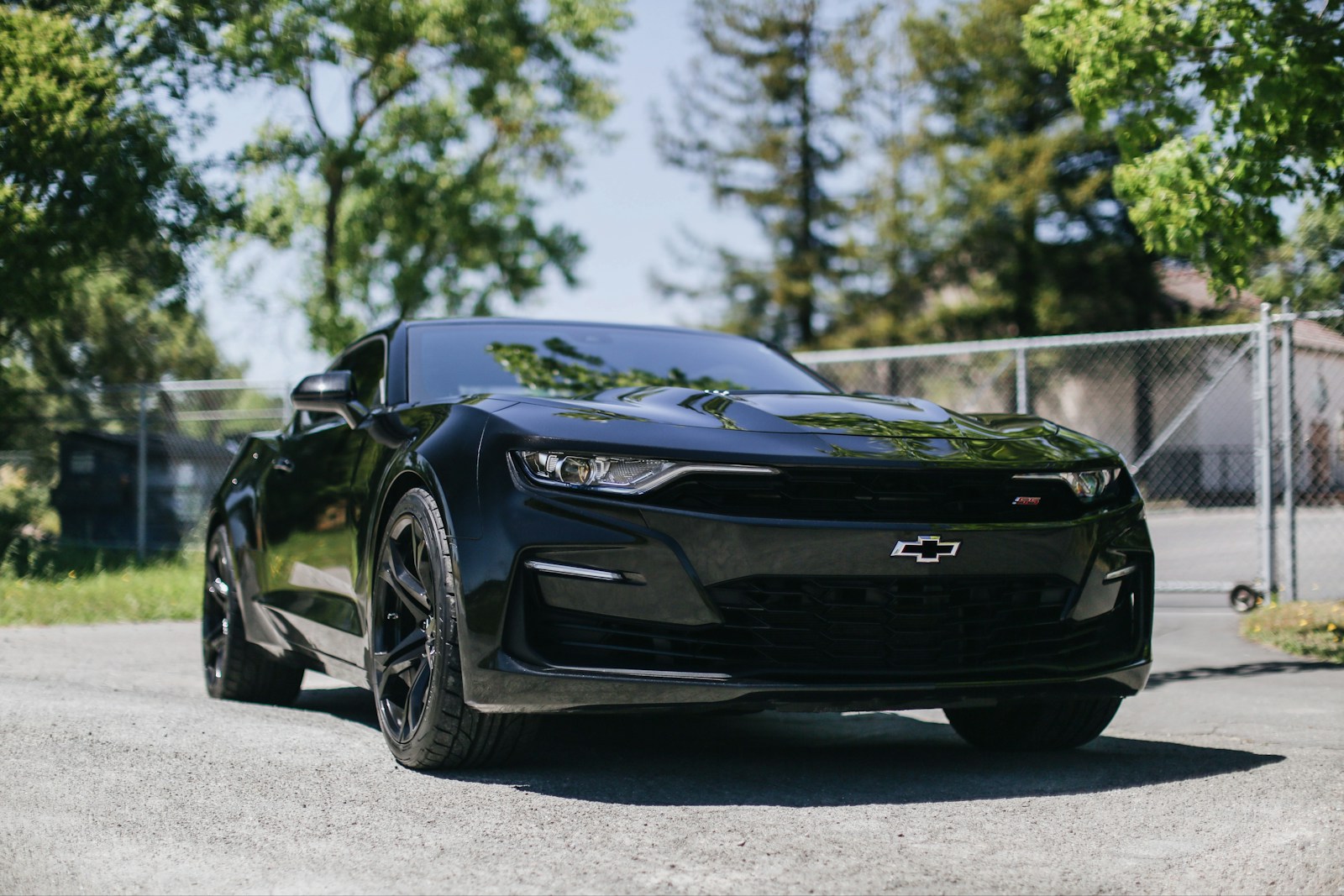
The Chevrolet SS, a performance sedan that captured the attention of car enthusiasts, was discontinued after just four short years of production from 2014 to 2017. This model’s failure to secure a lasting place in the market is a significant development for both Chevrolet and fans of high-performance vehicles, highlighting the challenges faced by traditional sedans amid a growing preference for SUVs and crossovers.
The Chevrolet SS: A Brief Overview
Launched in 2014, the Chevrolet SS was designed as a high-performance sports sedan, boasting a powerful 6.2-liter V8 engine that delivered an impressive 415 horsepower. With a rear-wheel-drive layout and a six-speed automatic transmission, the SS was aimed at enthusiasts who appreciated driving dynamics and speed. However, despite its impressive specifications and a price tag starting around $44,000, the model struggled to attract a substantial customer base.
Market Trends and Consumer Preferences
One of the primary reasons for the Chevrolet SS’s early demise is the significant shift in consumer preferences toward SUVs and crossovers. In 2017, for example, SUVs accounted for nearly 40% of all vehicle sales in the United States, a trend that has only continued to grow. The decline in interest for sedans, particularly high-performance versions, left the SS without the market support it needed to thrive.
Sales Figures Tell a Troubling Story
Sales figures for the Chevrolet SS paint a stark picture of its struggles. During its production run, Chevrolet managed to sell approximately 30,000 units, a modest number compared to competitors in the performance sedan segment. For perspective, the Ford Mustang, which also shares a performance-oriented audience, sold over 61,000 units in 2017 alone. This disparity in sales demonstrates the uphill battle the SS faced in a market dominated by performance-focused muscle cars and SUVs.
Limited Marketing and Brand Awareness
Another factor contributing to the Chevrolet SS’s lack of longevity was its limited marketing efforts. Unlike its more popular counterparts, such as the Chevrolet Camaro or Corvette, the SS received minimal promotional support from General Motors. This lack of visibility failed to generate sufficient brand awareness, leaving many potential buyers unaware of its existence and capabilities. In automotive retail, visibility is key, and the SS fell short in this critical area.
Competition in the Performance Sedan Segment
The Chevrolet SS entered an increasingly competitive marketplace, facing formidable rivals such as the Dodge Charger and Ford Taurus SHO, both of which offered similar performance features. The SS struggled to differentiate itself in a crowded field, and the added competition meant that customers had numerous alternatives to consider. With these other models often boasting aggressive styling and a more recognizable presence, the SS could not carve out its niche effectively.
Design and Interior Limitations
While performance was a highlight of the Chevrolet SS, some critics pointed to its design and interior as drawbacks. The SS featured a somewhat understated exterior, lacking the aggressive styling that many performance sedans showcased. Furthermore, its interior, although functional, did not offer the luxury or high-tech features that consumers have come to expect from modern sedans in the same price range. This lack of appeal in both design and technology further hindered its sales potential.
Legacy and Final Production
The Chevrolet SS’s production ended in 2017, with the final units being sold as 2017 models. While it may not have achieved the success that Chevrolet hoped for, the SS still holds a special place in the hearts of enthusiasts who appreciate its performance and capabilities. Its discontinuation marked the end of an era for Chevrolet, representing both the potential of performance sedans and the harsh realities of market dynamics.
Conclusion: The Future of Performance Sedans
The Chevrolet SS serves as a cautionary tale for automakers navigating the changing landscape of the automotive industry. As consumer preferences continue to shift towards SUVs and crossovers, traditional sedans, especially performance-oriented models, face an uncertain future. With an increasing number of manufacturers scaling back their sedan offerings, the legacy of the SS may become a rare chapter in automotive history.
Car enthusiasts and potential buyers should remain vigilant as automakers adapt to market trends. Those interested in performance sedans should explore their options before they become scarce, as the industry continues to evolve at a rapid pace. For more updates on automotive developments, stay informed and engaged with the latest news in the sector.