

Several once-popular car models have seen a significant decline in consumer interest and sales, impacting manufacturers and the automotive market as a whole. This shift matters because it reflects changing consumer preferences, economic factors, and competition in the automotive industry. Below are seven cars that have lost their allure over the years, along with the reasons for their decline.
1. Ford Fiesta (2011–2019)
The Ford Fiesta was once a favorite in the subcompact segment, praised for its fuel efficiency and agile handling. However, sales plummeted after 2018, with Ford announcing in 2019 that it would cease production in North America. The Fiesta’s decline is attributed to a growing consumer preference for SUVs and crossovers, which offer more space and versatility, leading to a 40% drop in sales from 2015 to 2018.
2. Chevrolet Volt (2011–2019)
Initially hailed as a groundbreaking plug-in hybrid, the Chevrolet Volt struggled to maintain its appeal after the initial excitement faded. Despite winning accolades for its innovative technology, sales dwindled to just 15,000 units in 2018, down from a peak of 38,000 in 2012. The shift toward more efficient all-electric vehicles and an expanding range of options from competitors ultimately sidelined the Volt.
3. Nissan Juke (2011–2017)
The Nissan Juke made waves with its distinctive styling and sporty performance when it debuted. However, its unconventional design and limited rear space led to a decline in consumer interest. By 2017, Juke sales had dropped by nearly 50% compared to 2013, prompting Nissan to discontinue the model in favor of more versatile options like the Nissan Kicks.
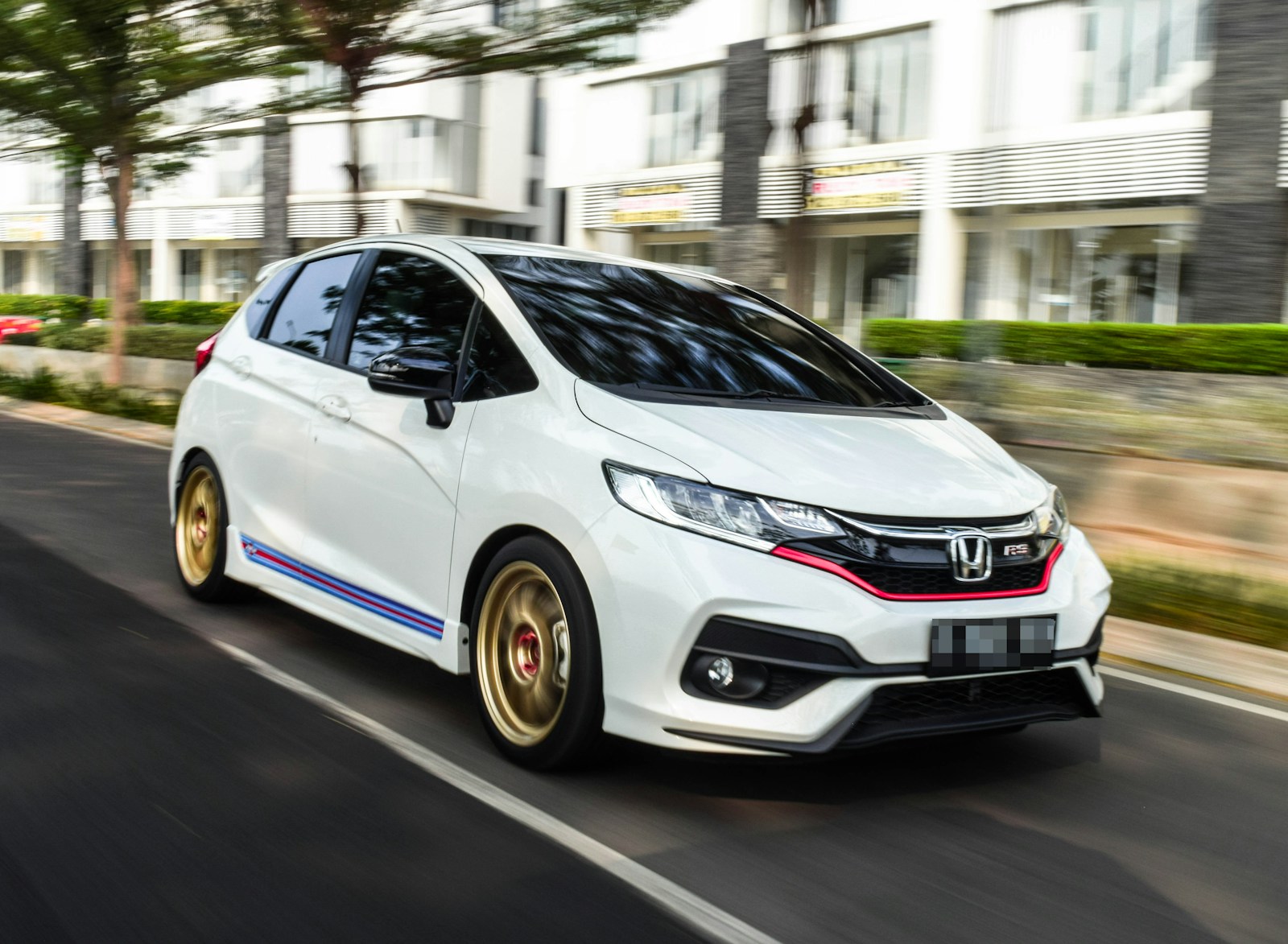
4. Honda Fit (2006–2020)
The Honda Fit gained a reputation for its practicality and space efficiency, appealing to urban drivers and small families alike. However, as the market shifted towards larger vehicles, Fit sales fell dramatically, reaching only 18,000 units in 2020. Honda ultimately decided to discontinue the model in North America, citing a lack of demand in a market dominated by crossovers and SUVs.
5. Subaru WRX STI (2004–2021)
The Subaru WRX STI has long been a favorite among performance enthusiasts, known for its rally-inspired capabilities. However, the model has struggled to keep pace with competitors that offer more advanced technology and better fuel efficiency. Sales of the WRX STI declined by 30% from 2019 to 2021, leading Subaru to announce the end of production for the iconic performance model.
6. Toyota Yaris (2012–2020)
The Toyota Yaris was a budget-friendly option cherished for its reliability and fuel economy. However, with the increasing popularity of subcompact SUVs, Yaris sales dropped by 60% between 2016 and 2020, leading to its discontinuation in North America. The growing preference for larger vehicles has made it difficult for small cars like the Yaris to remain competitive.
7. Chrysler 200 (2011–2017)
The Chrysler 200 was introduced with high hopes of revitalizing the brand’s sedan lineup. Unfortunately, it faced critical reviews regarding its performance and interior quality, contributing to a dramatic decline in popularity. Sales fell from 151,000 units in 2014 to just 60,000 in 2016, prompting Fiat Chrysler to cease production as consumers shifted towards more popular SUVs and trucks.
Conclusion
The decline of these seven vehicles underscores the shifting dynamics of the automotive market, revealing consumer preferences that favor larger, more versatile vehicles over compact and hybrid options. As manufacturers pivot to meet these trends, it is crucial for consumers to stay informed about the evolving landscape. For those in the market for a new vehicle, understanding these changes can provide valuable insight into which models may best suit their needs in the coming years.
Stay tuned for updates on automotive trends and market shifts, as understanding these changes can impact your next car purchase. Make sure to research thoroughly and consider your options before making a decision.