

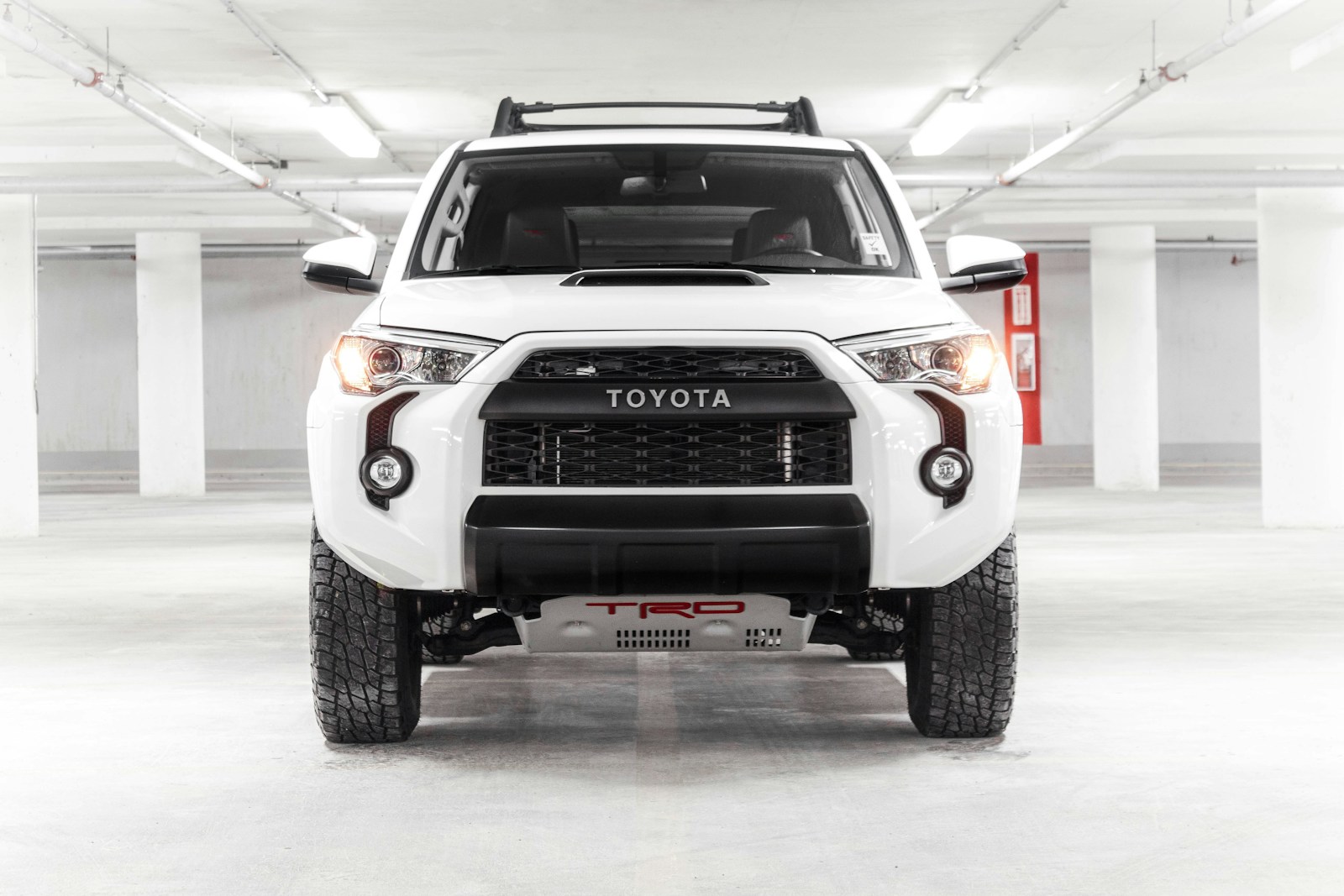
Toyota is recalling nearly 394,000 Tundra and Sequoia hybrid pickups and SUVs in the United States after identifying a defect that can cause the rear-view camera image to disappear from the dashboard screen. The safety campaign targets recent model years of the company’s full-size hybrid trucks, raising fresh questions about how quickly complex in-vehicle electronics are being vetted before reaching customers.
The recall centers on a software-related failure in the camera system that can leave drivers without a functioning backup view, a feature that has been federally mandated on new vehicles for several years. Toyota plans to fix the problem with updated programming at dealerships, underscoring how modern recalls increasingly hinge on code rather than mechanical parts.
What Toyota is recalling and why the camera problem matters
The affected vehicles include specific model year Toyota Tundra and Toyota Sequoia hybrids, with a combined total of approximately 394,000 units subject to the recall in the U.S. market, according to the company’s defect report to regulators, which details the scope of the campaign and the hybrid powertrain focus of the impacted trucks and SUVs Tundra Sequoia. Toyota’s filing explains that the issue arises in vehicles equipped with a particular multimedia system configuration that manages the rear camera feed, tying the defect to the electronics architecture used in these hybrid models rather than to the camera hardware alone defect report. The recall population is limited to vehicles built within a defined production window, which Toyota identified after internal testing and field data analysis pointed to a consistent pattern of failures in that batch production range.
At the center of the problem is a software condition that can prevent the rear-view image from displaying when the driver shifts into reverse, leaving the center screen blank or frozen instead of showing the area behind the vehicle. Toyota’s submission to federal safety officials notes that the malfunction can occur intermittently and may be triggered by specific sequences of ignition cycles or gear selections that cause the multimedia control unit to mis-handle the camera signal camera malfunction. Because U.S. regulations require that new light vehicles provide a working rear visibility system, the loss of that image is treated as a safety defect, even though the underlying issue is software-based and does not affect the mechanical operation of the truck or SUV rear visibility rule. Toyota told regulators that it is not aware of crashes or injuries directly linked to this specific camera failure, but the company acknowledged that the absence of a live rear view can increase the risk of backing incidents, particularly in driveways and parking lots where pedestrians or small objects may be difficult to see using mirrors alone risk statement.
How Toyota plans to fix the defect and what owners should expect
Toyota’s remedy centers on updated software for the multimedia system that controls the rear camera display, a strategy the automaker outlined in its recall chronology and technical description submitted to the National Highway Traffic Safety Administration. Dealers will reprogram the affected control unit with revised code that corrects the logic error responsible for the lost image, and the company has indicated that the repair will be performed at no cost to owners as part of the safety recall process software remedy. The documentation notes that Toyota validated the new software through bench testing and in-vehicle trials before finalizing the campaign, aiming to ensure that the fix restores consistent camera performance without introducing new glitches in the infotainment or driver-assistance features that share the same hardware validation testing.
Owner notification is scheduled to follow the standard recall playbook, with Toyota planning to mail letters to registered drivers of the affected Tundra and Sequoia hybrids after dealer tools and software packages are fully in place. The company’s filings indicate that interim communications may be used if the remedy rollout takes additional time, instructing owners to rely on mirrors and direct observation while reversing until the camera function is restored owner letters. In parallel, Toyota has updated its internal quality controls and supplier oversight for multimedia components used in these trucks, describing process changes intended to catch similar software vulnerabilities earlier in development and to tighten regression testing around federally mandated safety features like rear visibility systems process changes. For owners, the practical takeaway is straightforward: confirm whether a specific vehicle is covered by checking its Vehicle Identification Number in the federal recall lookup tool, then schedule a dealer visit to ensure the backup camera works as required once the software patch is available recall lookup.