

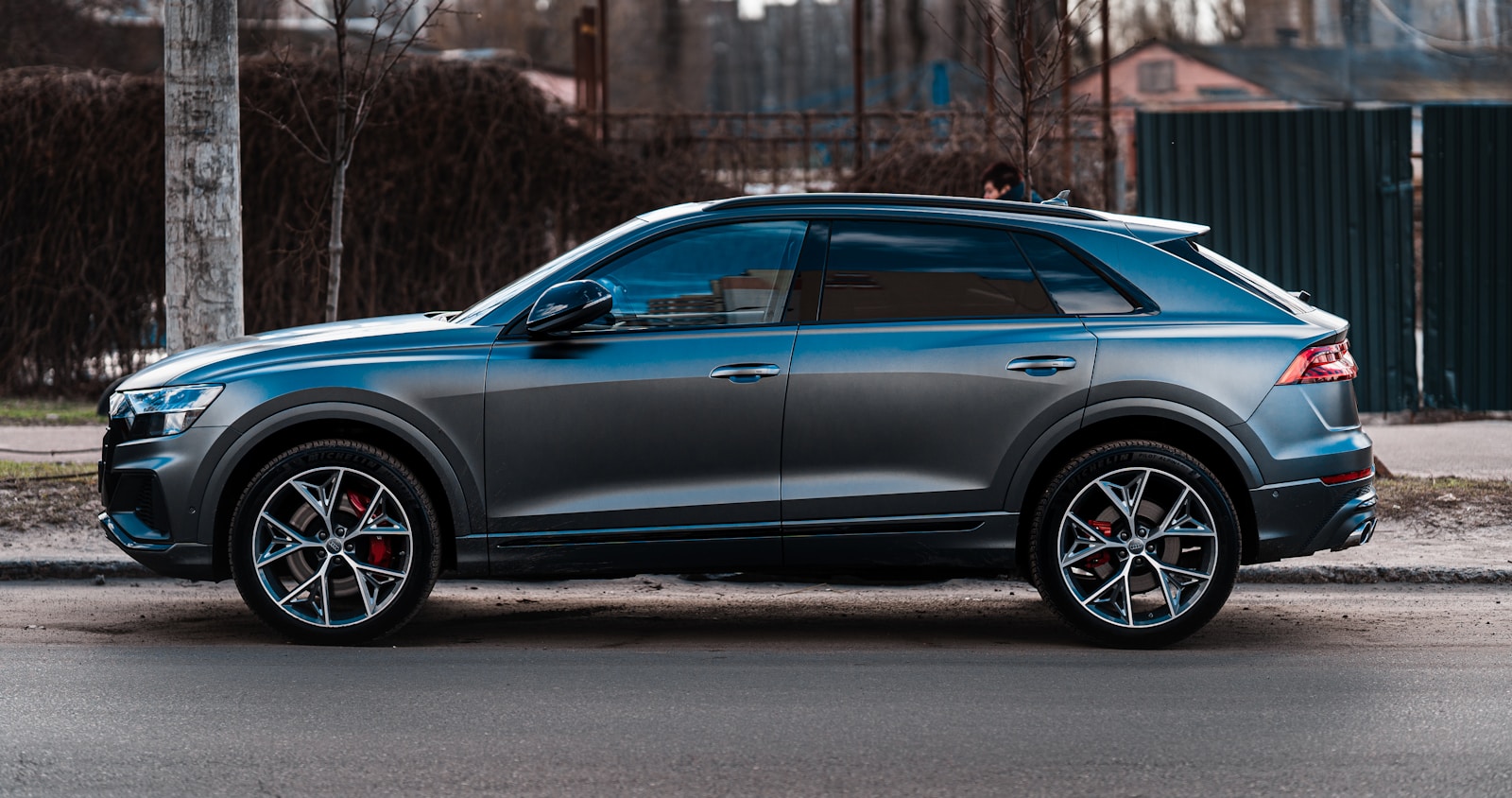
One of the country’s largest automakers is recalling a wide swath of popular SUVs after discovering that critical dashboard warning lights may not illuminate when a brake system fault occurs. The defect undercuts a basic safety backstop that drivers rely on, raising questions about how the issue slipped through testing and what owners should do now that the problem has been made public.
Regulators say the malfunction can leave drivers unaware of a loss of anti-lock braking or stability control, increasing the risk of a crash in emergency maneuvers or on slick roads. The recall, which covers specific model years of high-volume sport-utility vehicles, underscores how a seemingly small software or sensor error can ripple into a major safety campaign once it reaches the National Highway Traffic Safety Administration’s defect database.
What the recall covers and why the warning lights matter
The affected SUVs were built over multiple model years and share a common electronic architecture for their brake and stability systems, which is where the defect has been traced. According to the recall filings, the problem centers on the instrument cluster logic that is supposed to trigger the red brake warning lamp and the amber ABS or ESC indicators when a fault is detected in the hydraulic control unit or related circuitry, but in these vehicles the lights can remain dark even when a malfunction code is stored in the system memory. That failure to alert the driver is what pushed the automaker to initiate a recall once the pattern emerged in field reports and internal testing, as reflected in the official NHTSA documentation.
Under federal motor vehicle safety standards, those dashboard telltales are not optional; they are mandated as part of the broader requirements for service brake systems and electronic stability control. The recall report notes that the SUVs still retain basic hydraulic braking, but the driver may not realize that anti-lock braking or stability assist has been partially or fully disabled, particularly if the failure occurs gradually rather than during a dramatic event like a hard stop. Regulators flagged that gap as a noncompliance with the lighting requirements in Federal Motor Vehicle Safety Standard No. 135 and the ESC rules in FMVSS No. 126, which is why the campaign appears both in the agency’s recall search and in its separate noncompliance notices for lighting-related defects.
How regulators and the automaker are responding
Once the automaker confirmed that the warning indicators were not reliably illuminating, it submitted a defect information report that laid out the scope of the problem, the production dates, and the planned remedy. The company told regulators that dealers will update the instrument cluster software and, where necessary, replace the brake system control module to restore proper communication between the fault detection logic and the dashboard lamps, a fix that will be provided at no cost to owners under the terms described in the recall remedy notice. Owner notification letters are scheduled to go out in stages, with the earliest waves targeting regions where the SUVs are most heavily registered.
NHTSA, for its part, has opened a recall query to monitor the effectiveness of the remedy and to ensure that the automaker’s field actions match what was promised in the filings. The agency’s database shows that investigators are reviewing warranty claims, customer complaints, and dealer reports to confirm that the updated software consistently triggers the brake and stability warning lights when a fault is present, as described in the investigation summary. If the data suggest that the fix is incomplete or that additional model years share the same architecture, regulators can push for an expanded campaign or a revised remedy, a step they have taken in other lighting-related recalls documented in the agency’s prior enforcement actions.
What SUV owners should do now
For owners, the most immediate step is to check whether their vehicle identification number appears in the recall population, either through the automaker’s website or NHTSA’s online VIN lookup tool, which is linked from the agency’s main recalls portal. If the SUV is covered, the recall notice will explain how to schedule a service appointment and what specific components will be updated or replaced, and owners should plan to complete that work even if their dashboard appears to be functioning normally. The filings emphasize that the defect may not produce obvious symptoms in everyday driving, which means waiting for a visible problem is not a reliable strategy.
Drivers whose vehicles are not listed but who notice unusual brake behavior, such as a pulsing pedal without the ABS light or a sudden change in stability control performance, are urged to report those incidents through NHTSA’s online complaint form, which feeds directly into the agency’s defect screening process described in its field data procedures. Those reports can help regulators spot patterns that might justify expanding the recall or opening a new investigation if similar warning light failures appear in related SUV models. Until the repair is completed, safety officials recommend that affected owners leave extra following distance, avoid aggressive driving, and be particularly cautious in wet or icy conditions, since the loss of anti-lock or stability assistance without a clear dashboard alert can make emergency maneuvers more difficult than drivers expect based on their past experience with the vehicle.