

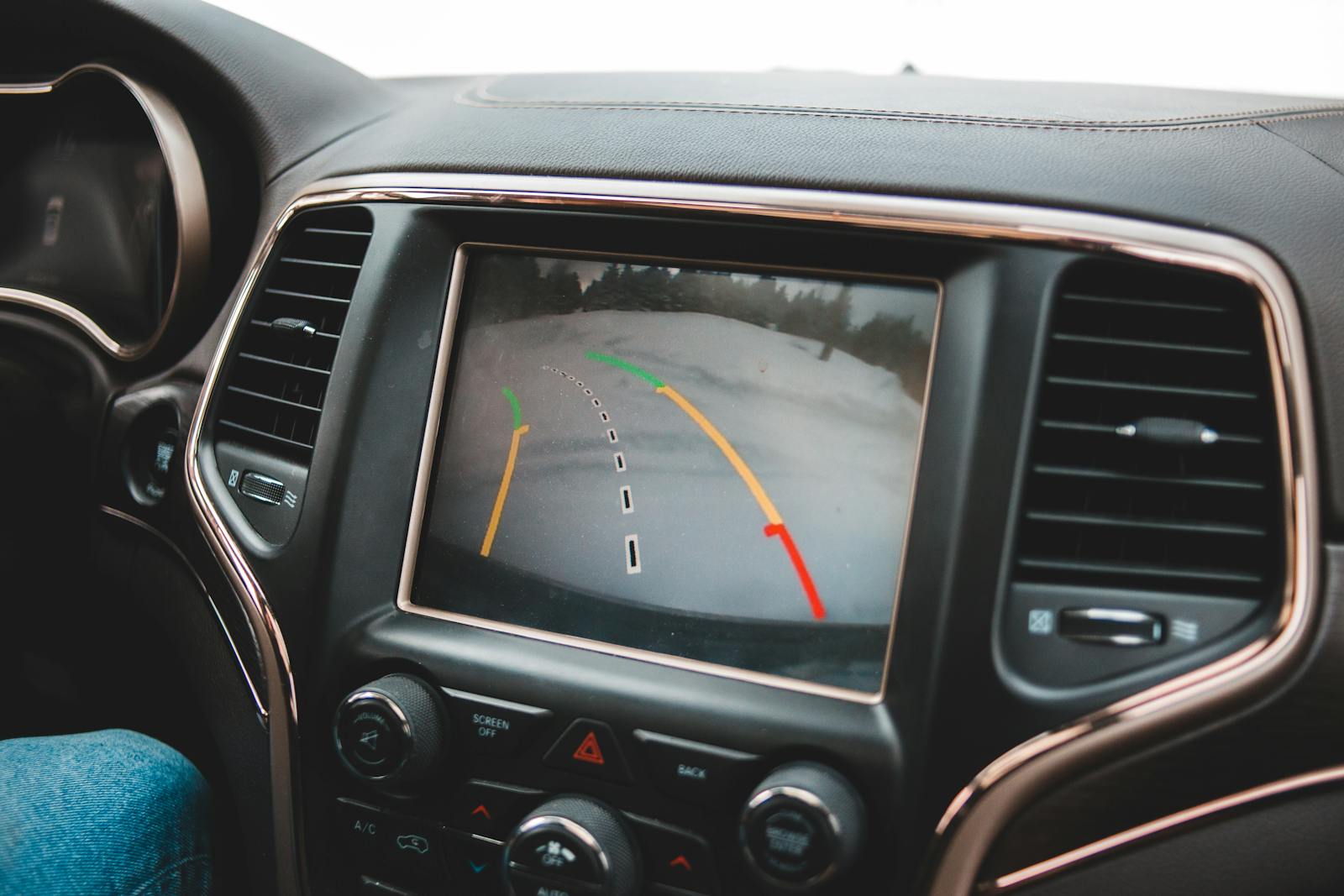
Luxury automakers are recalling thousands of high-end sedans after discovering a software defect that can knock out the rearview camera, stripping drivers of a key safety aid just as they shift into reverse. The glitch, buried in complex infotainment code, turns a marquee convenience feature into a potential liability for brands that sell themselves on seamless technology and top-tier safety.
The recall underscores how even premium vehicles, loaded with advanced driver assistance systems, can be tripped up by a single faulty update. It also highlights a growing reality for car owners: the most serious problems in a modern luxury sedan are increasingly digital rather than mechanical, and they can surface long after the car leaves the showroom.
What the recall covers and how the camera failure happens
Regulators were alerted after owners of late‑model luxury sedans reported that their backup cameras intermittently failed to display an image when the transmission was shifted into reverse, leaving only a blank or frozen screen. Automakers traced the problem to a software error in the central display unit that manages the camera feed, a defect that can prevent the system from booting correctly after the vehicle starts and, in some cases, can cause the image to cut out while backing up. According to recall filings, the affected population includes specific model years of flagship sedans where the rearview camera is integrated into a larger infotainment suite rather than a standalone module, which makes the entire system vulnerable to a single coding flaw in the multimedia controller recall database.
Engineers determined that the glitch is triggered under particular start‑up conditions, such as when the vehicle is turned off and restarted in quick succession, which can cause the head unit to mismanage memory allocation and fail to initialize the camera stream. In some vehicles, the software can also mishandle the transition between different display modes, for example when switching from navigation to the parking view, which increases the odds that the rear image will not appear when reverse is engaged. Technical summaries submitted to regulators describe the issue as a non‑compliance with federal rear visibility standards, since the camera image may not be available within the required time window after the driver selects reverse gear, even though the physical camera hardware remains intact and the failure is purely digital technical report.
Safety stakes and regulatory pressure around rear visibility
Rearview cameras are no longer a luxury add‑on but a mandated safety feature, and regulators treat any loss of visibility as a serious risk, particularly in driveways and parking lots where pedestrians and small children are hardest to see. Federal rules require that the rear image appear quickly and cover a defined field of view, and recall notices emphasize that a blank or delayed display can increase the likelihood of a back‑over crash, even for experienced drivers who also use mirrors. Safety analyses submitted with the recall point to incident data in which drivers reported nearly striking obstacles they could not see when the camera failed, reinforcing why regulators classify the defect as a safety non‑compliance rather than a minor convenience issue safety analysis.
Regulatory scrutiny has intensified as more vehicles rely on complex software to deliver basic safety functions, and rear visibility has become a test case for how quickly automakers can diagnose and correct digital defects. Investigators have pressed manufacturers to explain not only the root cause of the camera failure but also their internal testing procedures and how such a bug cleared validation in the first place. In several recent cases, regulators have opened preliminary evaluations into rear camera performance across multiple brands, using field reports and warranty claims to identify patterns that might indicate a broader software reliability problem in shared infotainment platforms investigation records.
How automakers are fixing the glitch and what owners should do
Manufacturers are addressing the defect with a software update that reprograms the multimedia control unit, correcting the timing and memory handling routines that govern the rear camera feed. For many owners, the fix can be applied as an over‑the‑air update, which allows the patch to be installed while the vehicle is parked without a dealership visit, a process that automakers say takes only a few minutes once downloaded. In cases where the affected sedans lack full remote update capability, dealers will install the revised software using a diagnostic tool, with recall notices instructing owners to schedule an appointment and confirming that the repair will be performed free of charge remedy description.
Until the update is completed, automakers are advising drivers to rely on traditional checks, including mirrors and direct rearward observation, and to be especially cautious in tight spaces where the missing camera view would normally highlight low‑lying obstacles. Owner letters outline the symptoms that indicate a vehicle is affected, such as a consistently black screen when reverse is selected or a camera image that disappears mid‑maneuver, and direct customers to online tools where they can enter a vehicle identification number to confirm recall status. Regulators also encourage owners to monitor the official recall lookup site and to report any ongoing rear visibility problems after the software fix, so that engineers can verify the effectiveness of the remedy and determine whether additional updates are needed for the impacted luxury sedans owner guidance.