

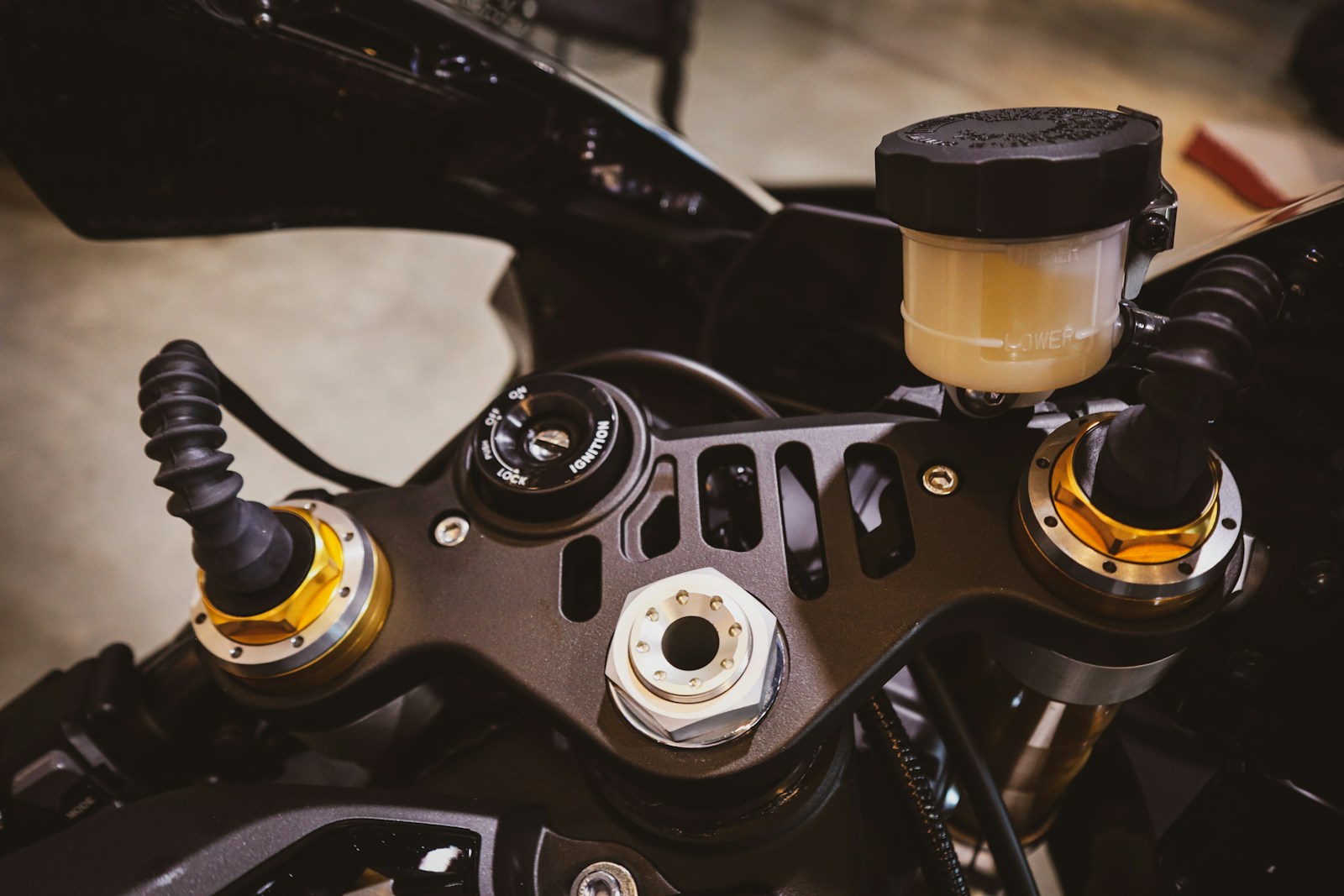
Heavy-duty truck owners are being urged to address a new safety recall tied to a brake-fluid leak that can weaken stopping performance on vehicles built to haul the heaviest loads. The defect affects specific model years of large pickups and chassis cabs, where a small hydraulic problem can translate into a much longer distance to bring tens of thousands of pounds to a halt.
Regulators and manufacturers say the issue is serious enough to warrant immediate repairs, even though the fix is relatively straightforward and free to owners. The recall underscores how a seemingly minor component failure in modern braking systems can have outsized consequences when it occurs on trucks designed for towing, commercial work, and emergency response.
What the recall covers and how the brake-fluid leak develops
The recall centers on heavy-duty trucks whose braking systems use a hydraulic control unit that can allow brake fluid to escape into areas where it should not accumulate. Over time, that leak can reduce the amount of fluid available to generate pressure in the lines, which is essential for maintaining full braking force at all four wheels. In affected vehicles, the problem has been traced to internal seals and passages that can degrade or shift under repeated high-pressure use, particularly in trucks that tow or carry near their maximum rated loads, according to federal recall filings.
Manufacturers have told regulators that the defect does not always present with obvious external drips, which means owners may not see puddles under the truck even as the system gradually loses hydraulic performance. Instead, the first sign can be a change in pedal feel, a warning light on the instrument cluster, or a noticeable increase in stopping distance during hard braking. In some cases, the leak can also trigger the anti-lock braking system to behave unpredictably, since the control module is receiving inconsistent pressure readings, an issue detailed in the manufacturer’s defect report.
How reduced braking power raises crash risk for heavy-duty trucks
Any loss of braking power is a safety concern, but the stakes are higher for heavy-duty pickups and chassis cabs that routinely operate at or near their gross vehicle weight rating. When brake fluid leaks inside the hydraulic control unit, the system may still function, yet it can require more pedal travel and more time to slow the vehicle. On a truck pulling a large fifth-wheel trailer or carrying a full load of equipment, that extra distance can be the difference between a controlled stop and a rear-end collision, a risk scenario highlighted in the recall’s safety analysis.
Investigators reviewing field reports found that some drivers experienced a “soft” pedal and longer stopping distances before any dashboard warning illuminated, which can lull operators into continuing to drive while the condition worsens. For commercial fleets, that creates added exposure on highways and in work zones where heavy trucks share space with passenger cars and roadside crews. Regulators note that even a partial loss of hydraulic pressure can compromise the truck’s ability to meet federal stopping-distance standards, particularly on wet pavement or steep grades, as outlined in the brake performance regulations.
What owners should do and how the repair will be handled
Owners of the affected heavy-duty trucks are being notified by mail and can also check their vehicle identification number online to confirm whether their specific truck is covered. Automakers have told regulators they will replace or repair the hydraulic control unit and related brake components at no cost, using updated parts that address the internal leak path identified in testing. Dealers are being instructed to inspect fluid levels, check for stored diagnostic codes, and verify pedal feel before releasing any vehicle back to the customer, according to the official dealer service bulletin.
Safety officials are urging drivers not to ignore early signs of trouble, such as a brake warning light, a change in pedal resistance, or a sensation that the truck takes longer to stop than usual. Even if a vehicle has not yet received a mailed notice, owners who suspect a problem can schedule an inspection and reference the recall number listed in the federal recall database. For fleets that rely on these heavy-duty trucks for daily operations, parking affected units until repairs are completed may be inconvenient, but regulators emphasize that addressing the leak promptly is the most effective way to prevent a loss of braking performance under load.