

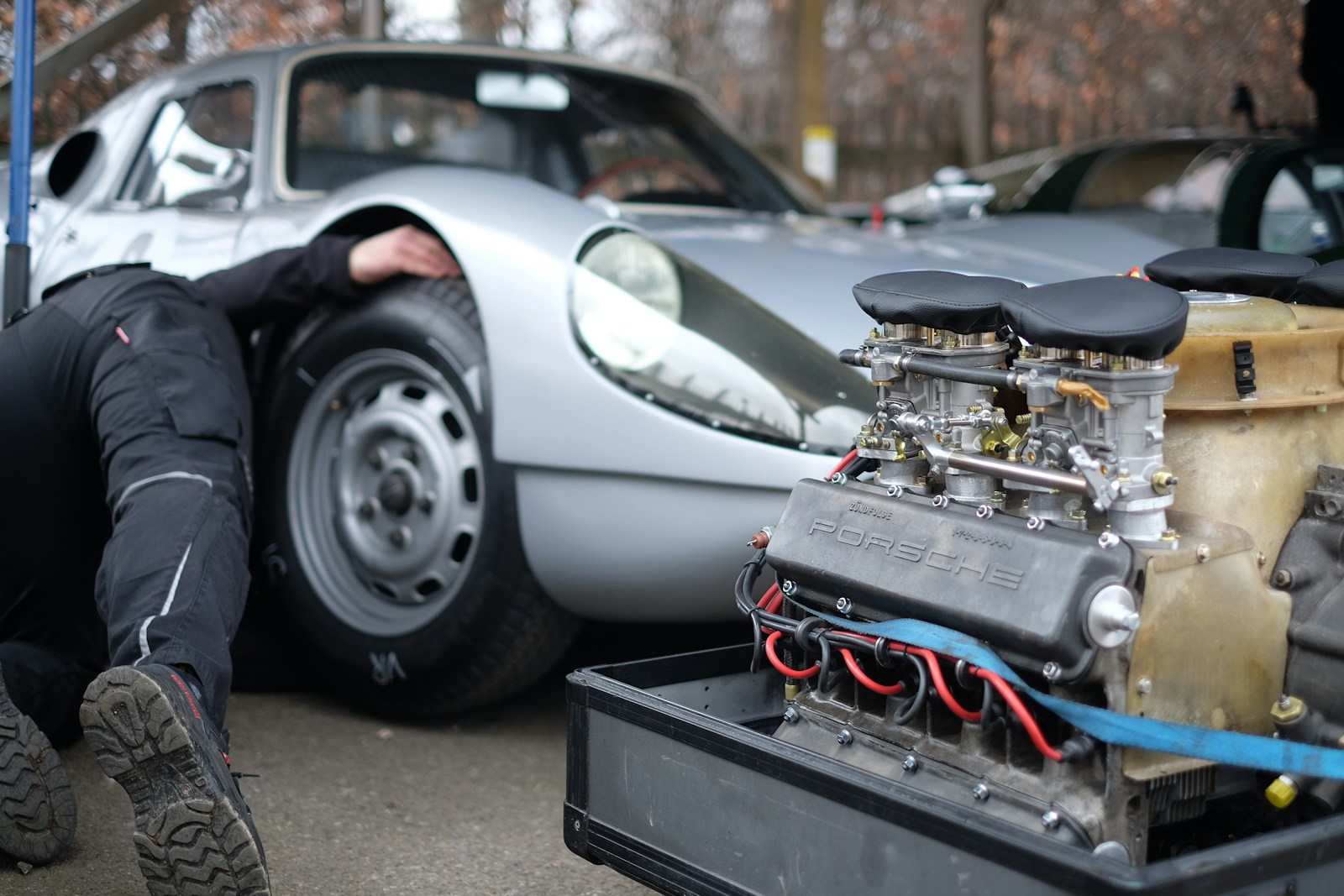
When drivers visit an auto repair shop, their actions can significantly impact the efficiency and effectiveness of the service provided. Mechanics often find themselves frustrated by certain behaviors exhibited by drivers, which can delay repairs and complicate diagnostics. Understanding these common pitfalls can lead to smoother interactions and better service experiences for everyone involved.
1. Arriving Without an Appointment
One of the most common grievances mechanics have is when drivers show up at the shop without a prior appointment. Many auto repair shops operate on a scheduling system, especially in busy periods. For instance, a shop may have a backlog of 10 to 15 cars awaiting service, and an unexpected arrival can throw off the entire day’s schedule, leading to longer wait times for all customers.
2. Not Describing Symptoms Accurately
Another frequent issue is when drivers fail to provide accurate descriptions of the problems their vehicles are experiencing. Mechanics rely heavily on this information to diagnose issues effectively. For example, a driver might report a “funny noise,” but without specific details, such as whether it occurs during acceleration or while turning, the mechanic may waste time troubleshooting the wrong area of the vehicle.
3. Ignoring Maintenance Reminders
Ignoring maintenance reminders and neglecting routine service can lead to serious problems down the line. Mechanics often encounter vehicles that have not had oil changes or tire rotations for thousands of miles beyond recommended intervals. For instance, the 2018 Honda Accord recommends an oil change every 7,500 miles; neglecting this can result in engine damage that could cost drivers hundreds to thousands of dollars in repairs.
4. Attempting DIY Repairs
While many drivers take pride in attempting DIY repairs, this can backfire when they bring vehicles to the shop. Mechanics often find themselves having to undo improper repairs or address damage caused by inexperienced hands. For example, a driver attempting to replace brake pads might inadvertently install them incorrectly, leading to further damage that could escalate repair costs significantly.
5. Being Unprepared for Diagnostics
Mechanics rely on drivers to be prepared for diagnostic tests, which often require additional information. When drivers don’t have their vehicle’s history, including past service records or previous repair invoices, it can hinder the diagnosis process. For instance, if a driver with a 2022 Ford Mustang has had ongoing issues but cannot provide previous repair details, it may take longer for the mechanic to identify the root cause of the problem.
6. Bringing Unnecessary Passengers
Another aspect that can complicate repairs is when drivers bring multiple passengers into the shop. While it may seem harmless, having too many people in a small waiting area can create a chaotic environment, making it difficult for mechanics to communicate effectively. Additionally, it can lead to safety concerns, particularly in shops where equipment and tools are being handled. Mechanics report that a more orderly environment allows for better focus and efficiency during repairs.
7. Failing to Follow Up on Recommendations
Finally, mechanics express frustration when drivers ignore their recommendations for future repairs or maintenance. When a mechanic advises a driver to replace worn-out tires or recommends a timing belt replacement for a 2015 Toyota Camry, ignoring these suggestions can lead to severe consequences. Drivers may face breakdowns or accidents, which could have been avoided with timely repairs and maintenance. Statistics show that nearly 30% of vehicles on the road have overdue service, increasing the risk of critical failures.
Conclusion: Improve Your Repair Experience
Being aware of these common behaviors can enhance the repair experience for both drivers and mechanics. By making appointments, providing accurate vehicle symptoms, adhering to maintenance schedules, and being prepared for diagnostics, drivers can ensure a smoother process. Mechanics are dedicated to providing quality service, but cooperation from drivers is essential for optimal results. With nearly 20% of all vehicles experiencing mechanical issues annually, ensuring proper communication and preparation can prevent costly repairs and enhance road safety.
As the automotive landscape continues to evolve, drivers must recognize the importance of their role in the repair process. To avoid unnecessary frustration and to keep your vehicle in excellent condition, take these insights to heart the next time you visit a mechanic. Don’t wait until it’s too late; schedule your next service appointment today!