

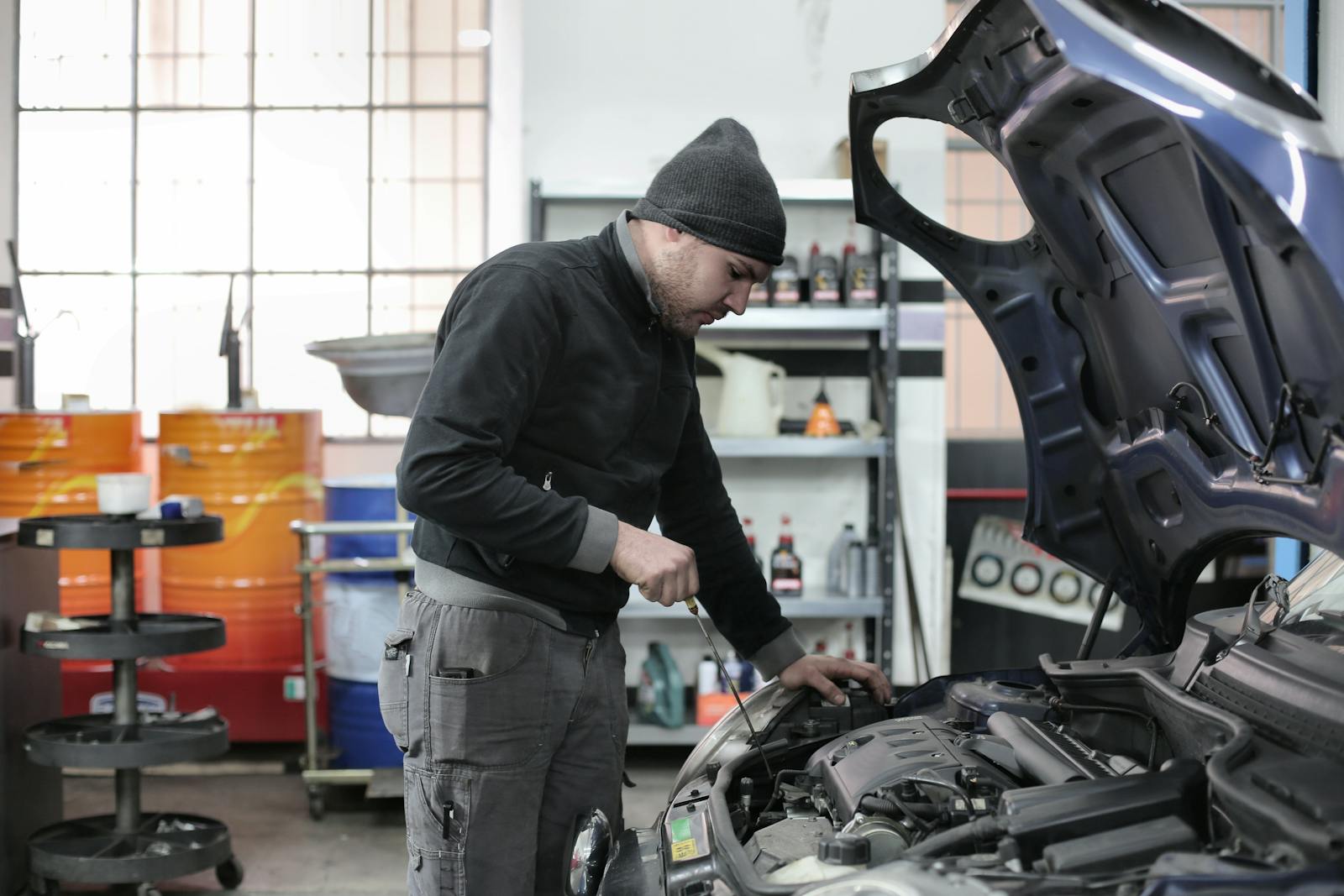
Despite advancements in automotive technology, many drivers still fall victim to common myths about vehicle maintenance that can lead to costly repairs. These misconceptions not only affect the longevity of vehicles but also strain the wallets of unsuspecting car owners. Understanding the truth behind these myths can save drivers hundreds, if not thousands, of dollars over time.
Myth 1: Premium Gasoline is Always Better for Your Car
Many drivers believe that using premium gasoline will enhance their vehicle’s performance, leading them to fill up with higher octane fuel even when it’s unnecessary. In reality, most vehicles, including popular models like the 2020 Honda Accord, are designed to run efficiently on regular unleaded gasoline. Using premium fuel in vehicles that do not require it can lead to unnecessary expenses, costing drivers an average of $0.20 to $0.40 more per gallon, which adds up significantly over time.
Myth 2: You Need to Change Your Oil Every 3,000 Miles
The 3,000-mile oil change rule has been a long-standing belief among car owners, but it’s largely outdated. Modern vehicles, such as the 2021 Toyota Camry, often have oil change intervals of 5,000 to 10,000 miles or more, depending on the type of oil used and manufacturer recommendations. Ignoring these updated guidelines can lead to unnecessary visits to the mechanic, costing drivers both time and money. Over a year, frequent oil changes could set drivers back by hundreds of dollars.
Myth 3: All Fluid Flushes are Necessary
Another common misconception is that all fluid flushes are essential to maintain a vehicle’s health. While some fluids, like coolant and transmission fluid, may require periodic flushing, others do not need to be changed as frequently. For example, the 2019 Ford F-150’s power steering fluid can last for the vehicle’s lifespan without a flush. Drivers should consult their owner’s manual or a trusted mechanic to determine which fluid services are truly necessary, rather than blindly following the recommendations often pushed by service centers.
Myth 4: You Should Always Use the Same Brand of Parts
Many car owners believe that sticking to the same brand of parts is essential for their vehicle’s performance and longevity. However, reputable aftermarket parts can often provide the same level of quality at a lower price. For instance, a 2018 Chevrolet Silverado can function perfectly with high-quality aftermarket brake pads instead of paying a premium for brand-name parts. By exploring alternatives, drivers can save significant amounts on repairs, potentially cutting costs by 30% or more.
Myth 5: Warning Lights Mean Immediate Repairs are Needed
Feeling alarmed by a dashboard warning light is common among drivers, but it’s important to understand that not all warning lights indicate a critical issue. For example, the “Check Engine” light on a 2017 Nissan Altima can indicate a minor issue, such as a loose gas cap, rather than an urgent need for repairs. Ignoring these lights can lead to unnecessary stress and expenses, while panicking and seeking immediate repairs for minor issues can cost drivers additional service fees that could have been avoided.
Conclusion: Stay Informed to Save Money
Falling for these five automotive myths can lead to substantial financial losses for drivers. From unnecessary fuel expenses to costly repairs, misinformation can have serious consequences. By arming themselves with accurate knowledge about their vehicles, drivers can make informed decisions that save them money in the long run.
It’s crucial for drivers to consult their vehicle’s manual and trusted mechanics before acting on common myths. Being proactive and informed can prevent unnecessary costs and ensure that your vehicle remains in good condition. Don’t let misinformation drain your wallet—stay informed and drive smart!