

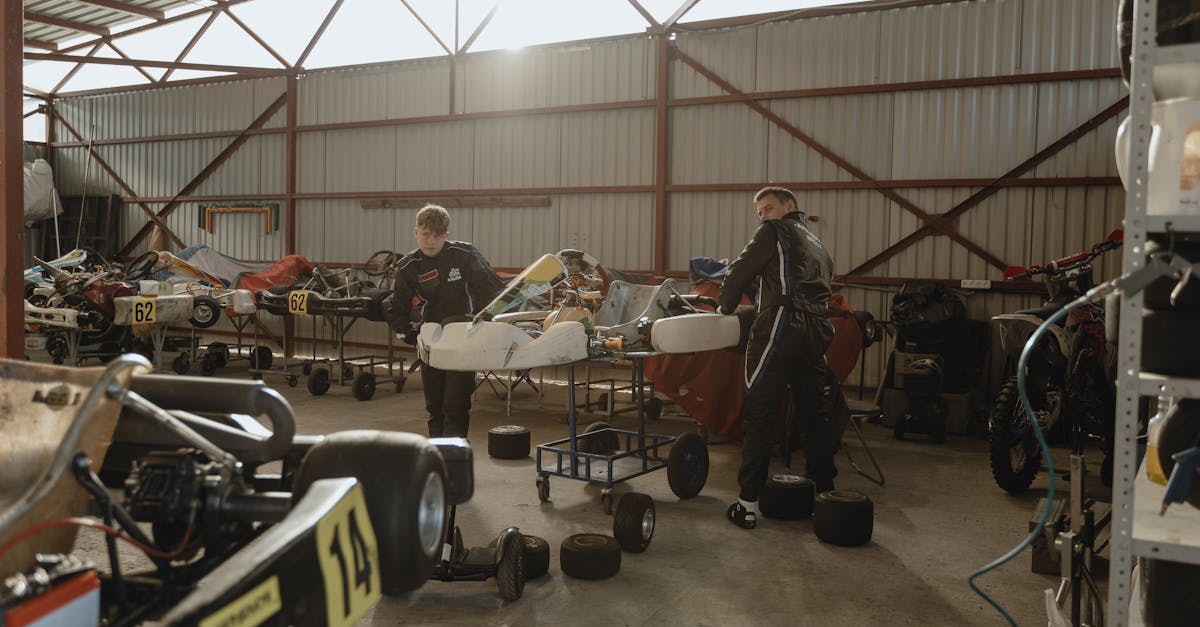
While most drivers focus on routine maintenance like oil changes and tire rotations, professional mechanics employ a variety of strategies to ensure their vehicles run optimally. These practices can enhance performance, increase safety, and extend the life of the car, yet they often go unnoticed by the average driver. Understanding these five techniques can empower drivers to take better care of their vehicles and avoid potential issues.
1. Regularly Inspect and Replace Brake Components
Brake systems are critical for vehicle safety, yet many drivers overlook their maintenance. Mechanics often conduct thorough inspections of brake pads, rotors, and calipers every 6,000 to 10,000 miles—far more frequently than the average driver might consider. For instance, a 2020 Honda Civic may require new brake pads every 30,000 to 70,000 miles, depending on driving habits and conditions. Mechanics advocate for proactive replacements to prevent more costly repairs down the road, emphasizing that a small investment in brake maintenance can save lives.
2. Balanced Tire Maintenance
While many drivers understand the importance of regular tire rotations, mechanics take tire maintenance a step further by balancing and aligning tires. Properly balanced tires prevent uneven wear, improve fuel efficiency, and enhance handling. Mechanics recommend checking tire balance every 5,000 to 7,500 miles, particularly for vehicles like the 2021 Ford F-150, which can experience more wear due to their size and weight. Misalignment can lead to premature tire wear and affect fuel economy, making this an essential practice that drivers often neglect.
3. Regular Fluid Checks and Changes
Fluids play a vital role in a vehicle’s operation, but many drivers fail to monitor them consistently. Mechanics routinely check and change essential fluids, including engine oil, transmission fluid, brake fluid, and coolant, based on both mileage and time elapsed. For example, the recommended oil change interval for a 2019 Toyota Camry is typically every 5,000 to 10,000 miles, depending on driving conditions and oil type. By staying diligent about fluid levels and quality, mechanics help ensure that engine components function smoothly and reduce the risk of catastrophic failures.
4. Diagnostic Scans and Software Updates
Modern vehicles are equipped with complex electronics and software systems that require regular updates and diagnostics. Mechanics frequently utilize advanced diagnostic tools to identify any underlying issues that may not be immediately apparent to the driver. For example, a routine scan on a 2022 Tesla Model 3 can reveal potential software updates that improve performance or resolve minor issues. Staying ahead of these updates can enhance vehicle functionality and help drivers avoid costly repairs later.
5. Attention to Detail in Cleaning and Maintenance
Mechanics understand that cleanliness plays a crucial role in a vehicle’s longevity. They often perform thorough cleanings of engine compartments and undercarriages, removing dirt and debris that can inhibit performance. This level of detail extends to regularly cleaning filters, such as air and cabin filters, which can improve air quality and engine efficiency. For instance, neglecting to replace a clogged air filter in a 2018 Subaru Outback can reduce fuel efficiency by up to 10%. Regular cleaning and maintenance can lead to significant savings over time.
Conclusion: Empower Yourself with Knowledge
The practices that professional mechanics employ to maintain their vehicles can significantly impact safety and efficiency. By understanding and adopting these techniques, drivers can enhance their vehicle’s performance and prevent costly repairs. With the average cost of vehicle repairs reaching around $500 per visit, learning simple maintenance practices can save drivers both time and money. Don’t wait until something goes wrong—take proactive steps now to ensure your vehicle remains in top condition. For your safety and peace of mind, consider scheduling a maintenance check today to discuss these essential practices with your mechanic.