

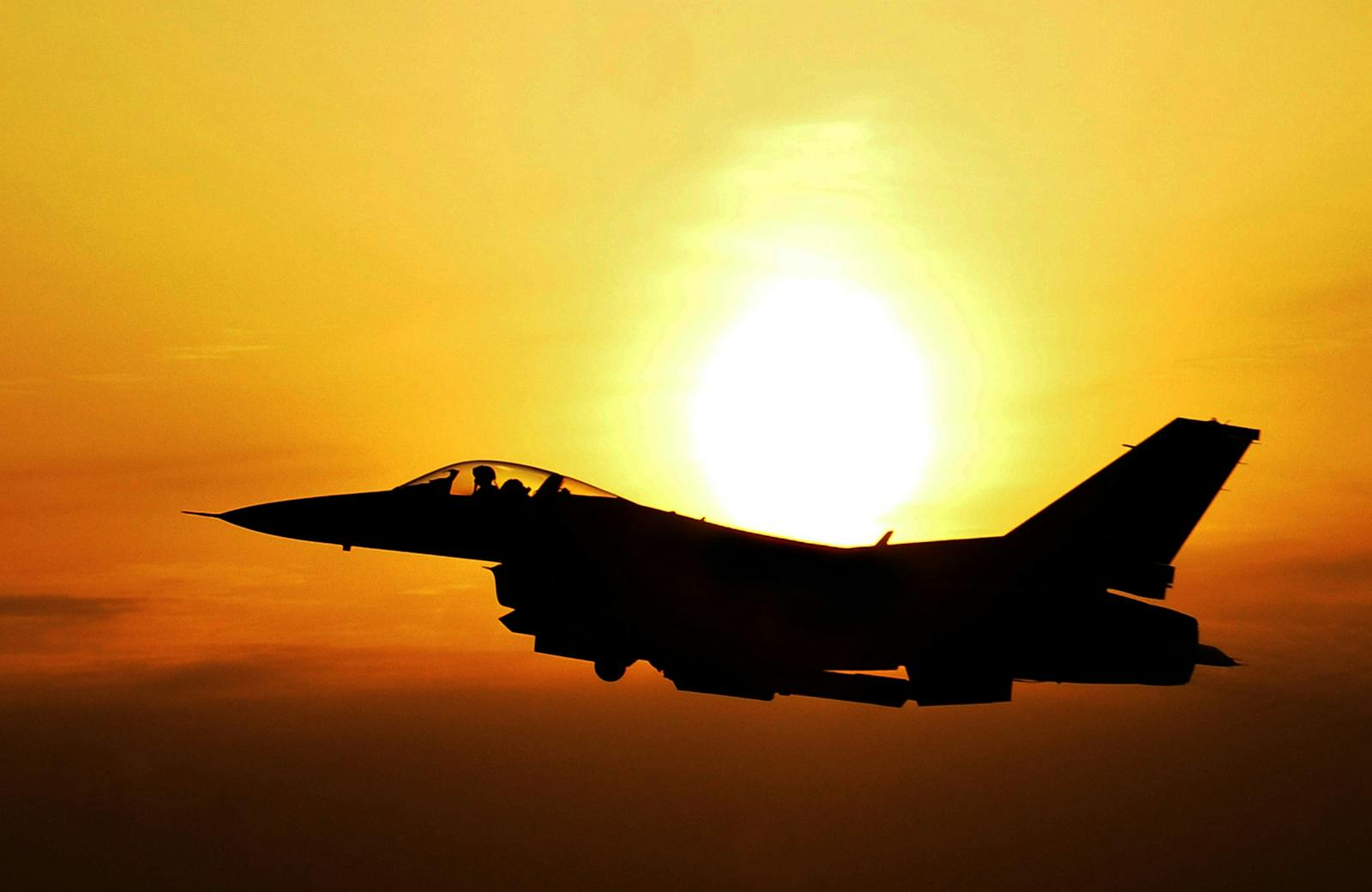
Throughout aviation history, certain fighter jets have dramatically transformed the landscape of air combat, shaping military strategies and capabilities. From the introduction of jet propulsion to advancements in stealth technology, these aircraft have not only influenced military outcomes but also redefined the role of air power in modern warfare. Here are six legendary fighter jets that have left an indelible mark on air combat.
1. Messerschmitt Me 262 (1941)
The Messerschmitt Me 262, introduced during World War II, was the world’s first operational jet-powered fighter aircraft. With a top speed of 540 mph, it was significantly faster than any Allied fighter at the time. The Me 262’s advanced design and power made it a formidable opponent, and it set the stage for future jet combat, proving that speed and agility could change air superiority in warfare.
2. North American P-51 Mustang (1940)
Developed in response to the need for a long-range escort fighter, the North American P-51 Mustang played a crucial role in the Allied victory in Europe during World War II. Its combination of speed, range, and firepower allowed it to effectively protect bombers on raids deep into enemy territory. With over 15,000 units produced, the Mustang’s impact on aerial combat was immense, establishing standards for future fighter designs.
3. McDonnell Douglas F-4 Phantom II (1960)
Entering service in 1960, the McDonnell Douglas F-4 Phantom II became a staple of U.S. air power during the Vietnam War. Notably versatile, the Phantom could carry a wide range of weapons and was one of the first fighter jets to utilize air-to-air missiles, contributing to its impressive kill-to-loss ratio of 3.5:1. The F-4’s ability to adapt to various roles, from interception to ground support, set new benchmarks for multi-role combat aircraft.
4. Lockheed SR-71 Blackbird (1966)
The Lockheed SR-71 Blackbird, which operated from 1966 to 1998, remains one of the fastest aircraft ever built, reaching speeds of over 2,200 mph. Designed for reconnaissance missions, the SR-71 could cover vast areas while flying at altitudes of 85,000 feet to avoid interception. Its advanced technology and capabilities not only provided crucial intelligence during the Cold War but also influenced future aerial reconnaissance and stealth design principles.
5. F-22 Raptor (2005)
Entering service in 2005, the F-22 Raptor represents a significant leap in air combat technology. As the United States’ first fifth-generation stealth fighter, the F-22 incorporates advanced avionics, supercruise capability, and low observability features, allowing it to dominate in both air-to-air and air-to-ground roles. With a top speed of around 1,500 mph, the Raptor has reshaped air combat, making it a vital asset in modern military operations.
6. F-35 Lightning II (2015)
First deployed in 2015, the F-35 Lightning II has become a cornerstone of modern air forces around the world. With over 600 units delivered to date and numerous international partners, the F-35’s advanced sensor fusion and networked capabilities allow for unprecedented situational awareness and precision targeting. The aircraft’s versatility, including vertical takeoff and landing variants, enables it to operate in diverse environments, ensuring its relevance in future combat scenarios.
Conclusion: The Evolving Landscape of Air Combat
These six legendary fighter jets have not only changed the face of air combat but have also influenced military strategies and technologies for generations. Their innovations in speed, stealth, and versatility continue to impact the development of new aircraft. As global tensions persist and technology continues to evolve, understanding the legacy of these aircraft is crucial for anyone interested in military history and the future of air warfare.
Stay informed about advancements in military aviation and their implications for global security. Follow our coverage for the latest updates and insights into the evolving landscape of air combat.