
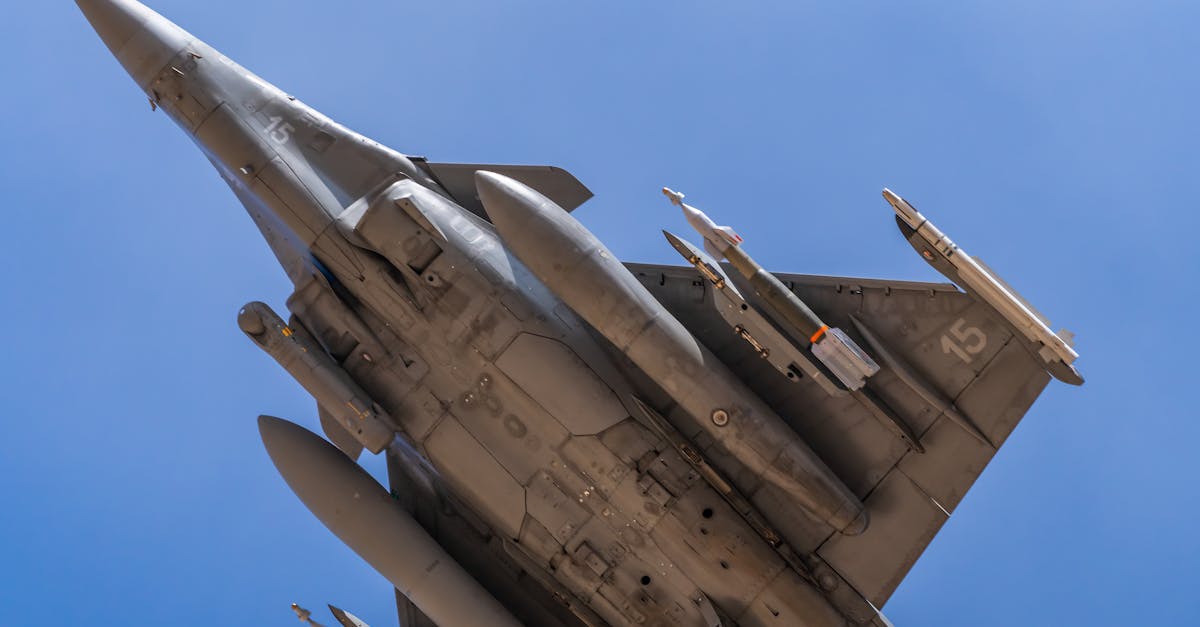


In the competitive realm of aerial combat, seven air-superiority fighters have emerged as the most formidable aircraft, capable of dominating dogfights and ensuring air dominance. This matters not only for military strategy but also for national security, as these aircraft represent the cutting edge of technology and combat effectiveness in modern warfare.
1. Lockheed Martin F-22 Raptor
Introduced in 2005, the Lockheed Martin F-22 Raptor is widely regarded as one of the most advanced air-superiority fighters in the world. With a maximum speed of over Mach 2.25 and an operational range of approximately 1,839 miles, the F-22 combines stealth, speed, agility, and advanced avionics. Its thrust-vectoring capabilities allow for exceptional maneuverability, giving it a significant edge in dogfights.
2. Boeing F-15EX Eagle II
The F-15EX Eagle II, which debuted in 2020, is the latest iteration of the legendary F-15 series, known for its air-to-air combat capabilities. This fighter features advanced avionics, an upgraded radar system, and the capacity to carry a payload of over 29,000 pounds. With a combat radius of 2,400 miles, the F-15EX is designed for long-range engagements, making it a formidable opponent in any aerial scenario.
3. Eurofighter Typhoon
The Eurofighter Typhoon, a multi-role combat aircraft developed by a consortium of European aerospace manufacturers, has been in service since 2003. Known for its agility and advanced sensor systems, the Typhoon can reach speeds of up to Mach 2 and boasts a combat radius of 1,800 miles. Its cutting-edge avionics and weaponry enable it to engage multiple targets simultaneously, making it a critical asset for air forces across Europe.
4. Dassault Rafale
Operational since 2001, the Dassault Rafale is a French multirole fighter that excels in both air-to-air and air-to-ground combat. With a top speed of around Mach 1.8 and a combat radius of approximately 1,000 miles, the Rafale is equipped with advanced radar and sensors that enhance its situational awareness. Its ability to carry a diverse array of weapons allows it to adapt to various combat scenarios effectively.
5. Sukhoi Su-57 Felon
The Sukhoi Su-57 Felon, Russia’s fifth-generation stealth fighter jet, entered service in 2020. With a maximum speed of about Mach 2 and a combat radius of approximately 1,500 miles, the Su-57 incorporates advanced stealth technology and super-maneuverability. Its design allows for high agility in dogfights, making it a potential game-changer in aerial warfare.
6. Chengdu J-20
The Chengdu J-20, a Chinese stealth fighter that began operations in 2017, represents a significant advancement in China’s military aviation capabilities. With a maximum speed of around Mach 2.5 and a combat radius of 1,800 miles, the J-20 is designed for air superiority and precision strikes. Its stealth features and advanced avionics systems make it a serious contender in any modern aerial engagement.
7. Boeing F/A-18 Super Hornet
In service since 1999, the Boeing F/A-18 Super Hornet is a versatile aircraft known for its dual-role capabilities in both air-to-air and air-to-ground missions. The Super Hornet can reach speeds of 1.8 Mach with a combat radius of 1,250 miles, making it effective for carrier-based operations. Its adaptability and reliability have made it a staple of the U.S. Navy and allied forces around the globe.
Conclusion
The dominance of these seven air-superiority fighters highlights the importance of technological advancements in military aviation. As air forces around the world continue to evolve, the capabilities of these aircraft will play a critical role in shaping the future of aerial combat. For military analysts, defense contractors, and enthusiasts alike, understanding these fighters is essential as they represent the cutting edge of air warfare technology.
Stay informed about the latest developments in military aviation and their implications for global security. Following these trends is crucial as nations invest in their air capabilities, which could influence international relations and defense strategies for years to come.