
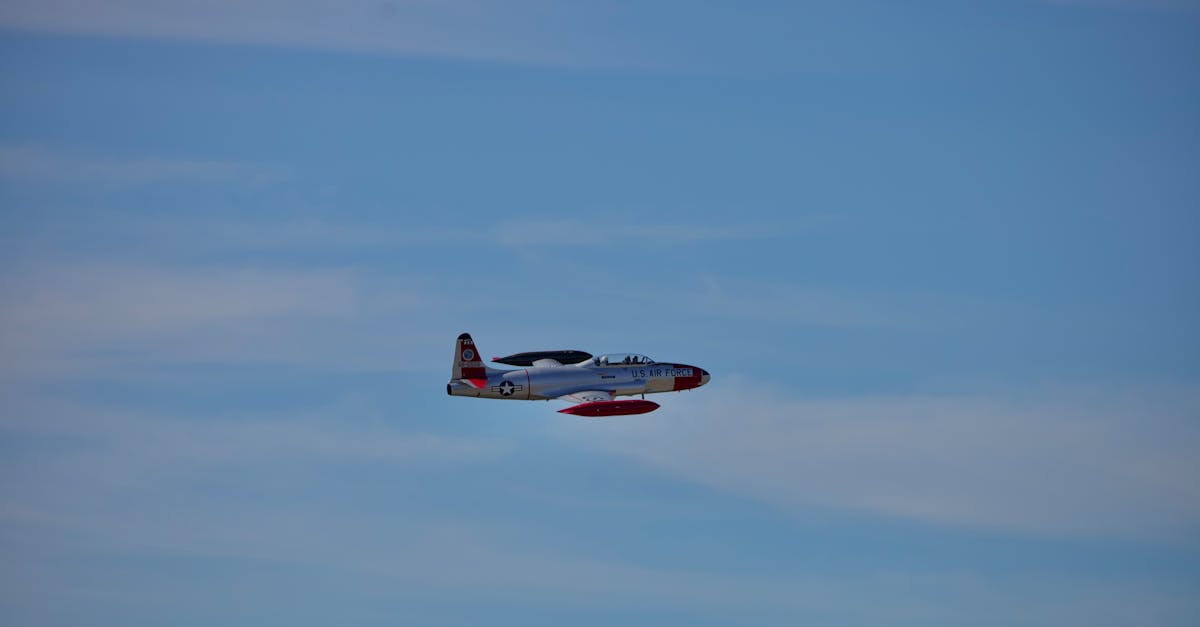


In the competitive arena of military aviation, several fighter jets that were once overlooked or underestimated have proven to be exceptional in performance and capability. This development has significant implications for defense strategies globally, as nations reassess their air power and procurement decisions. Here are five underrated fighter jets that have emerged as world-class machines, reshaping perceptions and strategic operations.
1. Sukhoi Su-30MKI (Introduced 2002)
The Sukhoi Su-30MKI, a variant of the Su-30 series developed for the Indian Air Force, has gained recognition for its versatility and advanced avionics. With a maximum speed of approximately 2,120 km/h and a combat radius of 1,500 km, the Su-30MKI can engage in air superiority missions as well as ground attacks. Its capability to carry a wide range of air-to-air and air-to-ground munitions, including the BrahMos missile, has made it a formidable asset in regional conflicts.
Despite initial skepticism regarding its operational effectiveness, the Su-30MKI has been a game changer for India, allowing it to maintain a strategic edge over its neighbors. The jet’s ability to conduct multi-role operations has proven invaluable, especially during border skirmishes and military exercises.
2. Boeing F/A-18E/F Super Hornet (Introduced 2001)
The Boeing F/A-18E/F Super Hornet, often overshadowed by its counterparts like the F-22 Raptor and F-35 Lightning II, has demonstrated remarkable capabilities as a carrier-based multi-role fighter. With a range of over 2,000 nautical miles and the ability to carry more than 17,000 pounds of munitions, the Super Hornet excels in both air-to-air and air-to-ground operations.
This aircraft has played a pivotal role in U.S. Navy operations since its introduction, including missions in Iraq and Afghanistan. Its adaptability, coupled with continuous upgrades and advancements in technology, has solidified its status as an effective platform in modern warfare, warranting a $70 billion investment in production and upgrades over the next decade.
3. Eurofighter Typhoon (Introduced 2003)
The Eurofighter Typhoon, developed by a consortium of European aerospace companies, has often been viewed as less capable than its American counterparts. However, its advanced avionics, agility, and supercruise capability have proven it to be a world-class fighter jet. With a top speed of Mach 2 and a combat radius of around 1,800 km, the Typhoon can engage in both air superiority and ground attack missions effectively.
Recent upgrades have enhanced its sensor suite and weapon options, allowing it to remain competitive in a rapidly evolving battlefield. The jet has seen action in various NATO missions, proving its reliability and performance in combat scenarios, which has shifted perceptions among defense analysts and military strategists.
4. Saab JAS 39 Gripen (Introduced 1996)
The Saab JAS 39 Gripen, a lightweight multirole fighter developed in Sweden, often gets overlooked in discussions about advanced air combat platforms. With a price tag of around $50 million per unit, it is considered one of the most cost-effective modern fighter jets. The Gripen boasts advanced avionics and sensor systems, enabling it to operate in diverse mission profiles with a maximum speed of 2,370 km/h.
Its operational flexibility, combined with a low operating cost, has made it attractive to several nations, including Brazil and Hungary. The Gripen’s proven track record in various military exercises has established it as a reliable option for air forces seeking a balance between performance and affordability.
5. Lockheed Martin F-16V Viper (Introduced 1978, with upgrades)
The F-16 Fighting Falcon, particularly in its latest Viper variant, has remained in service for decades, often overshadowed by newer models. The F-16V features advanced avionics, including a new radar system and improved cockpit displays, allowing it to stay relevant in modern combat. With a top speed of around 2,124 km/h and a combat radius of approximately 2,200 km, the F-16V is capable of performing a wide range of missions.
Its continuous upgrades have made it a cost-effective solution for air forces worldwide, with over 4,600 units produced. The F-16V has been successfully integrated into various allied forces, showcasing its adaptability and performance in diverse operational environments, further solidifying its reputation as a world-class fighter jet.