

Drivers love to treat the left lane like a personal fast track, but the law is a lot pickier than most people’s habits. Speeding to pass, cruising a few miles per hour over the limit, or camping in the left lane all trigger different rules, and those rules can collide in ways that surprise even seasoned commuters.
At the core, traffic codes do not give anyone a free pass to break the speed limit just because they are in the passing lane, yet many states also tell slower traffic to keep right and require drivers to move over when someone faster comes up behind them. Understanding how those two ideas fit together is the key to knowing what is actually legal when the left lane starts to feel like a rolling game of chicken.
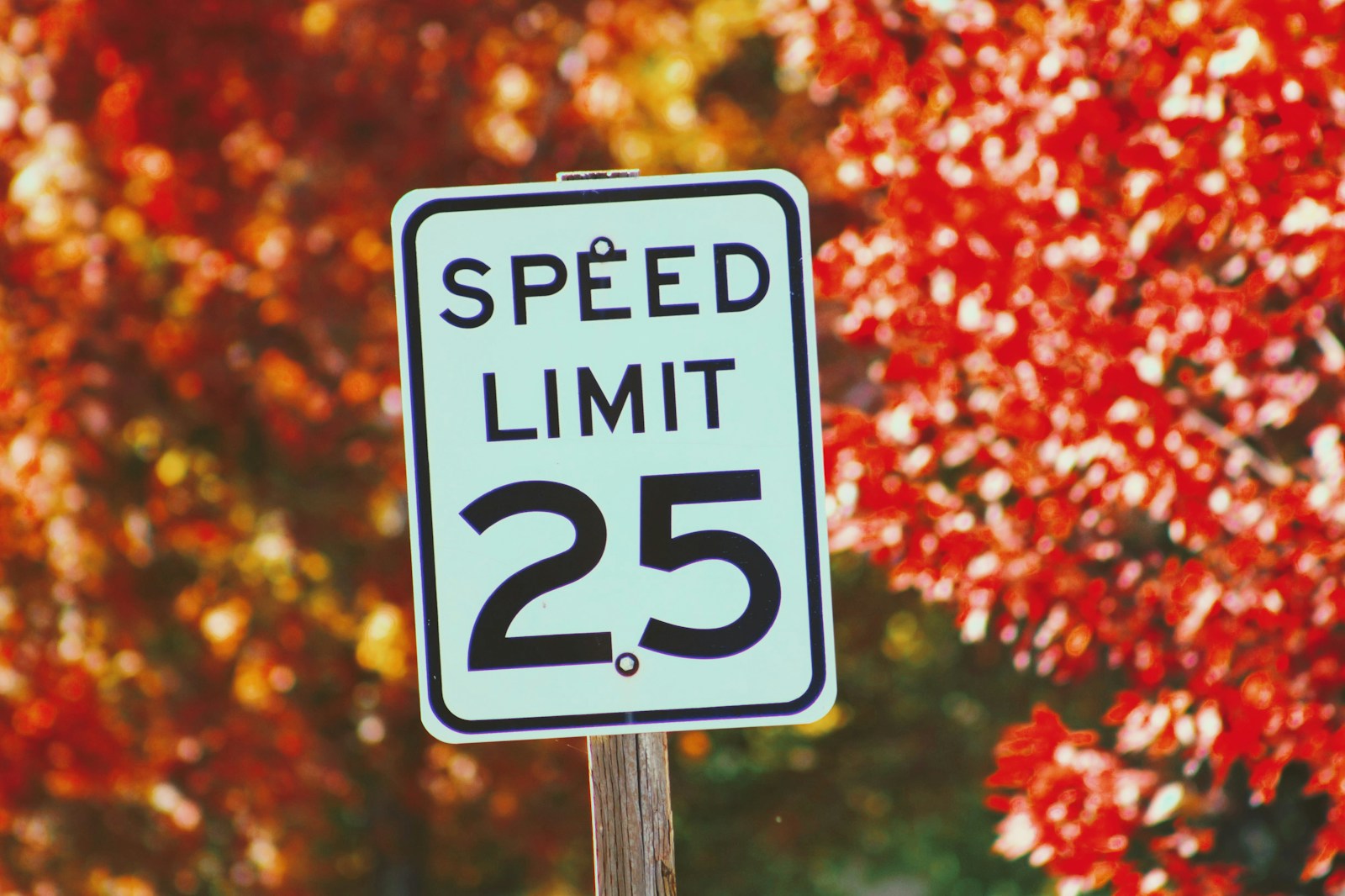
Speed limits still apply in the left lane
The basic rule is blunt: the posted speed limit applies in every lane, including the far left, and no statute quietly authorizes drivers to exceed it just to get around slower traffic. State codes that define “passing” focus on how and where a driver may overtake another vehicle, not on granting extra miles per hour as a reward for doing it. Even when a law mentions that a driver should pass “promptly” or “without unnecessary delay,” that language does not erase the underlying limit that already governs the road.
Courts and police training materials tend to treat the speed limit as a hard ceiling, not a suggestion that flexes based on lane choice. When officers clock a car at 78 miles per hour in a 65 zone, the fact that the driver was overtaking a slower SUV in the middle lane does not change the math on the citation. Some states do allow slightly higher limits on rural interstates or for specific vehicle types, but those are spelled out in separate provisions and still apply across all lanes, not just the leftmost one.
“Keep right” rules do not legalize speeding
Where things get messy is the layer of “keep right” and “left lane for passing only” laws that sit on top of the speed limit. Many states tell drivers to stay in the right lane except when overtaking, and some go further by requiring a slower vehicle to move right when it is blocking traffic that wants to go faster. Those rules are designed to keep traffic flowing and reduce tailgating and sudden lane changes, not to bless whatever speed the passing driver chooses while sliding by.
In practice, that means two drivers can both be wrong at the same time. A sedan holding steady at the exact speed limit in the left lane can be cited for failing to keep right or for obstructing traffic if state law treats that behavior as an offense. The pickup riding its bumper at 15 miles per hour over the limit can be cited for speeding and aggressive driving, even if the officer agrees the left-lane camper was part of the problem. The law does not let the speeder point to the “keep right” rule as a defense for blowing past the posted limit.
Passing, pacing, and what officers actually enforce
On the road, enforcement often comes down to how a driver passes and how long they linger in the left lane. Many statutes expect a driver to move into the passing lane, complete the overtake, and then return to the right when it is safe, instead of pacing the car next to them or treating the left lane as a permanent home. When a trooper sees a line of cars stacked up behind a left-lane cruiser, that pattern can be enough to justify a stop for improper lane use, even if the lead car is technically at or near the speed limit.
Speeding, however, remains the easiest and most objective violation to prove, which is why it dominates roadside stops and traffic court dockets. Radar and lidar readings give officers a clean number to point to, while “failure to keep right” or “impeding traffic” often require more explanation and sometimes dashcam footage to back up the judgment call. That reality encourages drivers to believe that a small bump over the limit in the left lane is quietly tolerated, but the legal risk is still there, especially in states that have made left-lane camping a specific ticketable offense.
Technology is also changing how these rules play out. Navigation apps like Waze and Google Maps routinely warn about speed traps and highlight typical cruising speeds on major corridors, which can nudge drivers to match the flow of traffic instead of the sign. Newer cars, such as a 2024 Toyota Camry or a 2023 Ford F-150, often ship with adaptive cruise control that keeps a set following distance and can make it tempting to sit in the left lane as the system automatically adjusts to slower vehicles ahead. None of that alters the legal framework: the driver is still responsible for staying within the limit and using the left lane only as the law allows, no matter what the app or the car’s software seems to encourage.
More from Steel Horse Rides: