
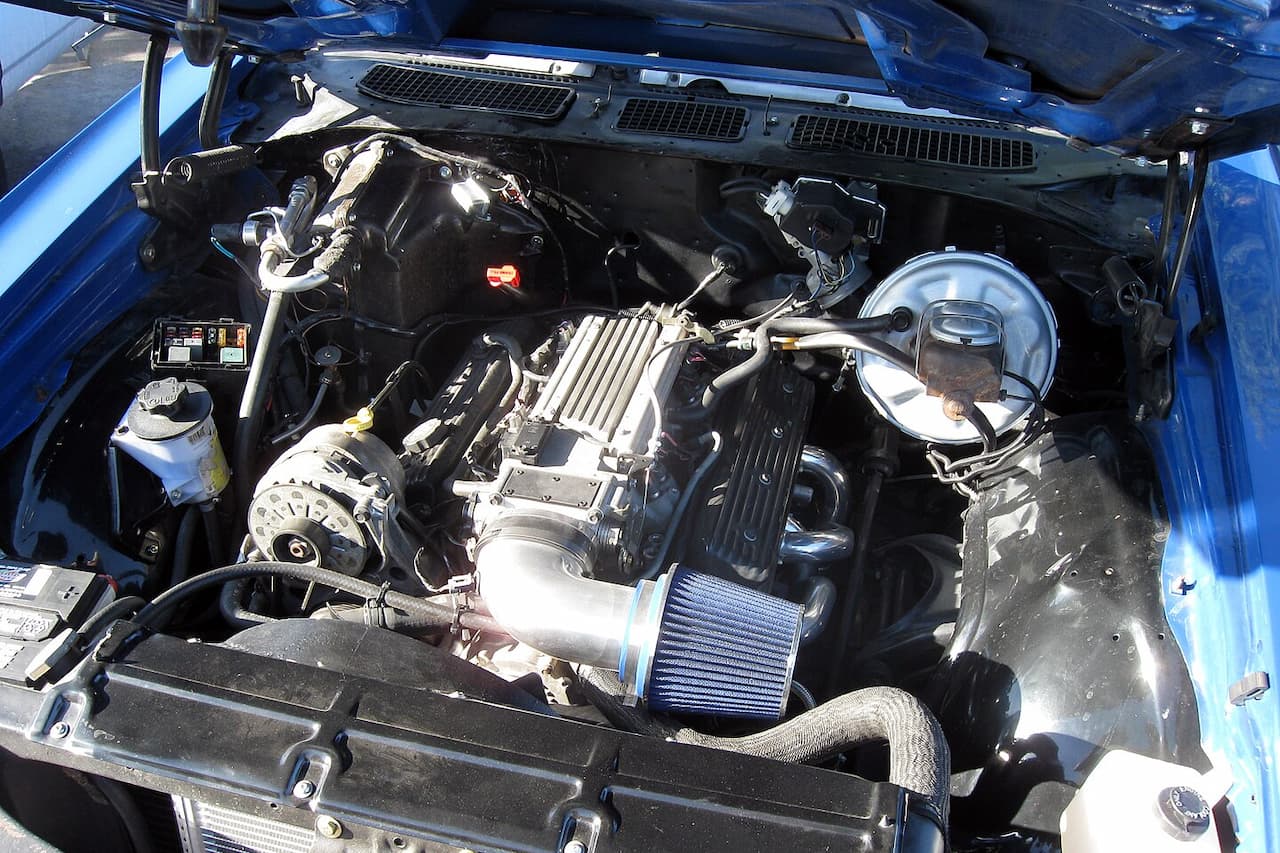

Chevrolet’s modern small-block V8 family has splintered into distinct personalities, and few comparisons are as revealing as the gap between the LT1 and LT2. Both are 6.2‑liter pushrod engines with direct injection, yet their hardware, calibration, and packaging reflect very different priorities for performance, drivability, and future upgrades. Understanding where they diverge helps explain why the LT1 anchors front‑engine Chevys while the LT2 sits at the heart of the mid‑engine Corvette.
From intake routing to oiling strategy, the LT1 and LT2 show how General Motors has evolved its Gen V architecture to suit specific platforms. The LT1 leans on a traditional layout that favors packaging flexibility and broad torque, while the LT2 pushes the same displacement toward higher revs, sharper response, and track durability. For buyers cross‑shopping Camaros, Corvettes, and crate engines, those engineering choices translate directly into how each car feels on the road and at the limit.
Shared Gen V DNA: What LT1 and LT2 Have in Common
Before diving into differences, it helps to recognize that LT1 and LT2 are closely related members of GM’s Gen V small‑block family. Both use a 6.2‑liter displacement, an aluminum block with deep skirts, and aluminum cylinder heads with integrated exhaust manifolds that support efficient combustion and emissions control. They share direct fuel injection, variable valve timing, and the familiar 90‑degree V8 layout that keeps overall dimensions compact for a large‑displacement engine, a key reason these engines fit such a wide range of GM performance cars and trucks according to detailed LT2 specifications.
Their common architecture also means similar bore and stroke, as well as a broadly comparable compression ratio that helps both engines deliver strong low‑end torque without resorting to forced induction. GM’s Gen V design emphasizes a rigid bottom end, efficient cooling passages, and precise fuel delivery, which together support high specific output and reliability in both the LT1 and LT2. Technical breakdowns of the LT1’s construction highlight the same direct‑injection hardware and combustion chamber design that appear in the LT2, underscoring how the newer engine builds on the established LT1 foundation rather than starting from scratch.
Core Specs and Output: How LT1 and LT2 Diverge on Paper
On a spec sheet, the LT1 and LT2 look like close cousins, but their output numbers reveal GM’s shifting priorities. In the C7 Corvette Stingray and Camaro SS, the LT1 is rated at 455 horsepower and 460 pound‑feet of torque in standard form, with slight variations depending on exhaust and intake options. That balance of power and torque suits a front‑engine layout where traction and refinement matter as much as peak output, a point reflected in factory ratings for LT1‑equipped models that cluster around the mid‑400‑horsepower mark in factory documentation.
The LT2, introduced with the mid‑engine C8 Corvette, nudges those figures upward while keeping displacement the same. In base C8 Stingray trim, the LT2 produces 490 horsepower and 465 pound‑feet of torque, rising to 495 horsepower with the performance exhaust package. That bump comes from a combination of improved breathing, revised camshaft profiles, and a more aggressive calibration that takes advantage of the mid‑engine car’s traction and cooling capacity. Official LT2 output figures confirm that the newer engine delivers roughly 35 to 40 additional horsepower over the LT1, a meaningful gain without increasing displacement or resorting to turbocharging.
Intake, Exhaust, and Packaging: Front‑Engine Versus Mid‑Engine Priorities
The most visible difference between LT1 and LT2 lies in how each engine breathes and fits into its chassis. The LT1 is designed for front‑engine cars and some trucks, so its intake manifold and accessory layout prioritize hood clearance, serviceability, and compatibility with longitudinal drivetrains. The intake sits relatively low, and the throttle body faces forward, feeding air from a traditional front‑mounted airbox. This configuration works well in the Camaro SS and C7 Corvette, where the engine sits ahead of the driver and shares space with steering and cooling hardware, as outlined in platform‑specific LT1 applications.
The LT2, by contrast, was engineered around the C8’s mid‑engine layout, which flips the packaging script. Its intake manifold is taller and more prominent, positioned to draw air from side intakes and rear deck openings rather than a front grille. The exhaust routing is also reworked to suit a rear‑mounted engine and shorter path to the tailpipes, which helps reduce backpressure and improve scavenging. Technical overviews of the LT2 highlight how the revised intake runners and exhaust geometry contribute to its higher horsepower rating, with the mid‑engine packaging giving engineers more freedom to optimize airflow compared with the more constrained LT1 layout.
Lubrication, Cooling, and Track Durability
Beyond airflow, the LT2’s most consequential upgrades involve lubrication and cooling, especially for sustained high‑g cornering. The LT1 uses a conventional wet‑sump oiling system in most applications, with an available dry‑sump setup in certain high‑performance Corvette variants. That arrangement is adequate for spirited street driving and occasional track use, but it requires careful management of oil levels and can be more vulnerable to aeration or starvation under extreme lateral loads, as noted in performance‑focused LT1 coverage.
The LT2, developed from the outset for a mid‑engine sports car expected to see regular track time, leans more heavily on dry‑sump technology. Its oiling system uses multiple scavenge stages and a dedicated reservoir to maintain consistent pressure even during aggressive cornering and braking. Cooling is also enhanced, with revised coolant passages and external plumbing that take advantage of the C8’s rear‑mounted radiators and airflow paths. Detailed breakdowns of the LT2 lubrication system emphasize how these changes support higher sustained rpm and repeated hard laps, giving the engine a durability margin that goes beyond what most LT1 street applications demand.
Real‑World Applications: Camaro, Corvette, and Crate Engine Choices
For buyers and builders, the LT1 and LT2 differences show up most clearly in the cars that carry them. The LT1 powers the Camaro SS and earlier front‑engine Corvettes, where its broad torque curve and relatively compact intake package suit daily driving and long‑distance cruising as much as weekend track days. Its use in some GM trucks and SUVs further underscores its versatility, with calibrations tailored for towing and low‑rpm grunt in addition to high‑performance variants documented in LT1 application lists.
The LT2, at least so far, is tightly linked to the C8 Corvette, where its higher output and track‑oriented oiling system align with the car’s mission as a mid‑engine sports car. That specialization means the LT2 is less common as a crate engine or swap candidate, in part because its packaging and ancillary systems are optimized for the C8’s chassis. By contrast, the LT1 has become a popular choice for engine swaps and aftermarket builds, with its more traditional layout and broad vehicle support making it easier to integrate into older platforms. Crate engine catalogs and technical summaries of the LT2’s C8 focus reinforce that distinction between a flexible workhorse and a purpose‑built mid‑engine powerplant.
More from Steel Horse Rides: