
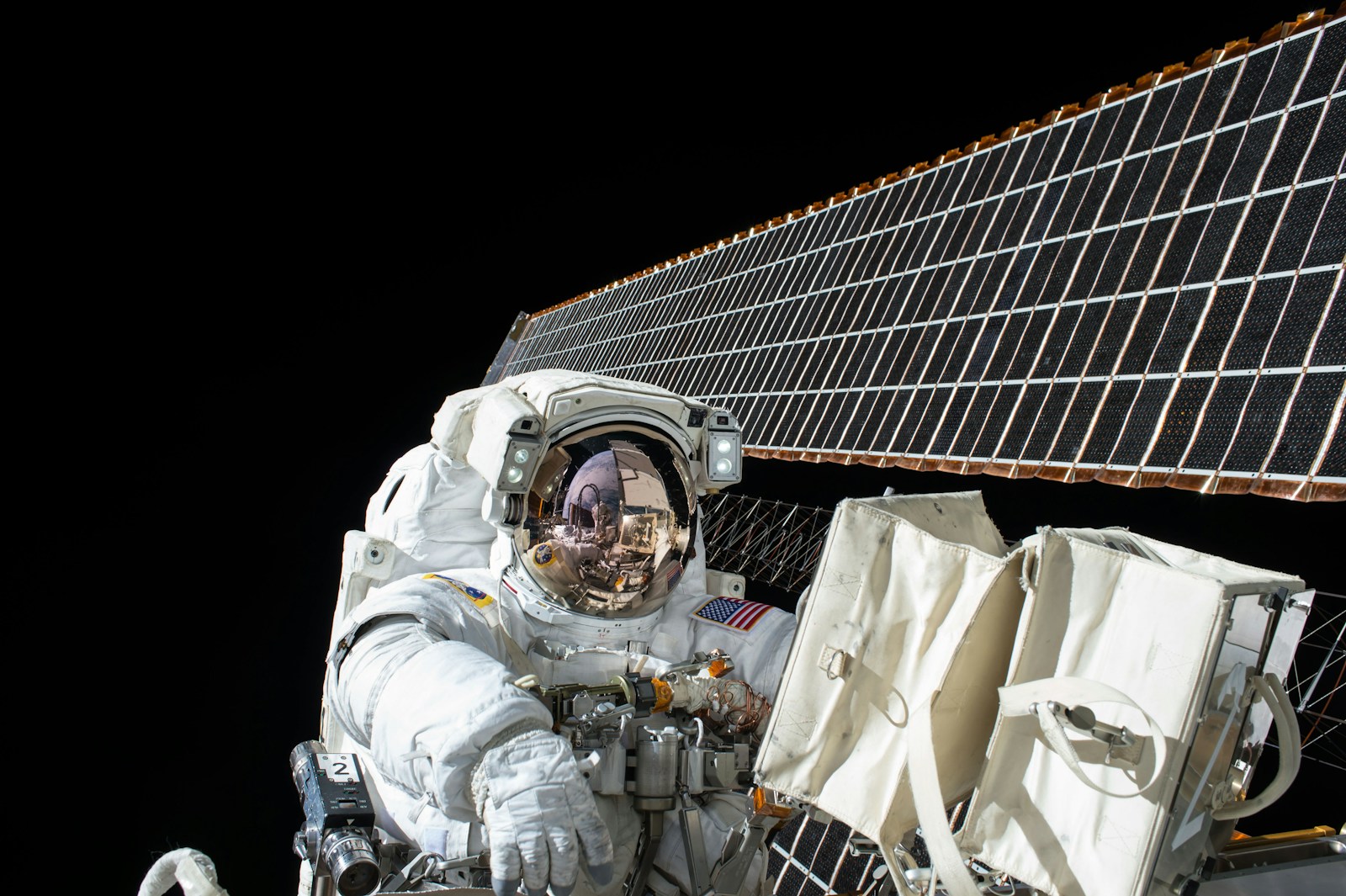

NASA is turning to the bottom of a giant pool to prepare astronauts for the top of the lunar sky, using underwater training runs in a next-generation spacesuit to rehearse the first Moonwalks of the Artemis era. Inside a neutral-buoyancy tank, crews are learning how to move, work, and stay safe in a suit built specifically for the harsh lighting, dust, and temperature swings of the lunar south pole. The underwater drills are a crucial dress rehearsal for missions that aim to put humans back on the Moon’s surface and establish a sustainable presence there for the first time.
Why NASA Is Taking Moonwalk Practice Underwater
NASA’s decision to send astronauts into a pool instead of a desert or glacier is rooted in physics: water can be tuned to mimic the partial gravity of the Moon, letting trainers dial in how heavy the suit feels and how fast a crewmember can fall. In a neutral-buoyancy environment, instructors can simulate the one-sixth gravity that will shape every step and tool movement on the lunar surface, while still having divers and cameras close by to monitor performance. Video from recent runs shows astronauts methodically rehearsing tasks in the tank, with support teams adjusting weights and tethers to keep the suit’s motion as close as possible to what they expect on the Moon, a process highlighted in detailed footage of the underwater training sessions.
Underwater practice also lets engineers stress-test the new suit in a controlled setting where they can pause, troubleshoot, and iterate between runs. In the pool, trainers can simulate steep slopes, awkward rock fields, and low-visibility conditions that would be risky to recreate at full scale in a vacuum chamber. Reports on the current campaign describe astronauts navigating mock lunar terrain and practicing sample collection while technicians track how the suit’s joints, life-support systems, and communications behave over long sessions, a process that has been documented as NASA tests new spacesuits ahead of future Moonwalks.
Inside the Next-Generation Artemis Moon Suit
The suit itself is the quiet star of these underwater rehearsals, representing a significant departure from the bulky designs used during Apollo and on the International Space Station. Engineers have focused on improving mobility at the hips, knees, and shoulders so astronauts can kneel, climb, and turn their heads more naturally while working on the lunar surface. Coverage of the program notes that the new design incorporates upgraded bearings and joint placements to expand the range of motion, while also integrating modern communications and environmental controls that are being evaluated as NASA tests spacesuits for future Moon missions.
Beyond flexibility, the Artemis suit is being tailored for the extreme lighting and dust conditions expected near the lunar south pole, where long shadows and reflective regolith can strain both human eyes and hardware. Training imagery shows astronauts working in a suit with enhanced helmet visibility and lighting, as well as outer layers designed to better resist abrasive dust that plagued Apollo hardware, details that have been emphasized in underwater demonstrations of the new Moonwalking gear. The underwater environment allows engineers to monitor how these systems perform over extended “sorties” that mimic the length and workload of real surface excursions.
How Neutral-Buoyancy Drills Rehearse Real Lunar Missions
Inside the pool, NASA is not simply asking astronauts to float and walk; the teams are running through full mission timelines that mirror what crews will do on the Moon. That includes exiting a mock lander, traversing simulated slopes, deploying instruments, and collecting rock and soil samples while staying within strict time and consumables limits. Visuals from the training show astronauts moving along preplanned paths, coordinating with topside controllers, and using tools that resemble those they will carry on Artemis sorties, a process captured in early images of NASA’s next Moonwalkers being put through their first underwater trials.
The neutral-buoyancy environment also doubles as a systems lab where mission planners can refine procedures before committing them to flight. By watching how long it takes to perform each task and where astronauts struggle with reach or visibility, controllers can adjust timelines, tool designs, and even landing-site assumptions. Recent reporting on the underwater campaign describes how these rehearsals are feeding directly into Artemis planning, with engineers using the data to validate that the new suit can support the demanding surface operations envisioned for the program, a link underscored in coverage of how astronauts train underwater in the Moon suit ahead of upcoming missions.
What Astronauts Are Learning About Working on the Moon
For the astronauts inside the suit, the underwater sessions are as much about learning new body mechanics as they are about testing hardware. Moving in one-sixth gravity requires different instincts for balance, braking, and lifting, and the pool lets crews practice those motions until they become second nature. Video segments from the training show astronauts experimenting with different gaits, from loping strides to side steps, while instructors coach them on how to conserve energy and avoid falls, insights that have been shared in behind-the-scenes looks at the underwater Moonwalk practice.
The drills also emphasize teamwork and communication, since every surface activity will be choreographed with controllers and scientists watching from Earth. In the tank, astronauts practice narrating what they see, coordinating tool handoffs, and responding to simulated anomalies, such as a stuck instrument or a time-critical science target. Educational coverage of the program has highlighted how these underwater “Moonwalks” are being used to teach students about physics and exploration, with classroom materials drawing on the same training runs that show astronauts rehearsing complex tasks in the pool, as described in a scholastic feature on the underwater Moonwalk experience.
From Pool to Regolith: The Road to Artemis Moonwalks
The underwater campaign is not happening in isolation; it is one piece of a broader push to get NASA’s Artemis crews ready for the first human landings of the program. Reports on the test schedule describe how neutral-buoyancy runs are being integrated with other evaluations of the suit’s life-support systems, pressure performance, and compatibility with lander designs. In one account of the current test phase, engineers detailed how the new spacesuit was evaluated underwater ahead of a Moon mission, using the pool to validate that the design can support the long, physically demanding excursions planned for Artemis surface operations, a milestone described as NASA tests the new spacesuit underwater before flight.
As the training evolves, NASA is also using the underwater environment to refine how cameras, lighting, and data links will capture and relay the first Moonwalks of the Artemis era to audiences on Earth. Footage from recent sessions shows helmet and external cameras recording every move, giving mission planners a preview of what future broadcasts and scientific documentation might look like once crews are working on the real lunar surface. Those recordings, along with commentary from trainers and astronauts, have been shared in public-facing videos that showcase the progression from early pool trials to more advanced simulations, including extended looks at the Artemis underwater training that is shaping how NASA will conduct and communicate its next steps on the Moon.
More from Steel Horse Rides: