

Knowing when you need to show ID and when you don’t can save you time and stress during encounters with authorities or in everyday situations. It’s common to wonder about your rights around identification, especially when stopped by police or asked for ID in various settings.
You are only legally required to show your ID in certain specific situations, and in many cases, you have the right to refuse. Understanding these boundaries helps you stay informed and handle requests confidently without overstepping what the law demands.
You must show ID if you’re driving a vehicle and a police officer stops you
If you’re behind the wheel and get pulled over, you’re legally required to show your driver’s license. Along with that, you’ll usually need to provide your vehicle registration and proof of insurance.
Not having these documents on hand or refusing to show them can lead to legal trouble, like fines or even arrest in some cases.
This is pretty much a standard rule across all states, and it helps officers confirm you’re legally allowed to drive.
When boarding a commercial airplane, presenting valid ID is required
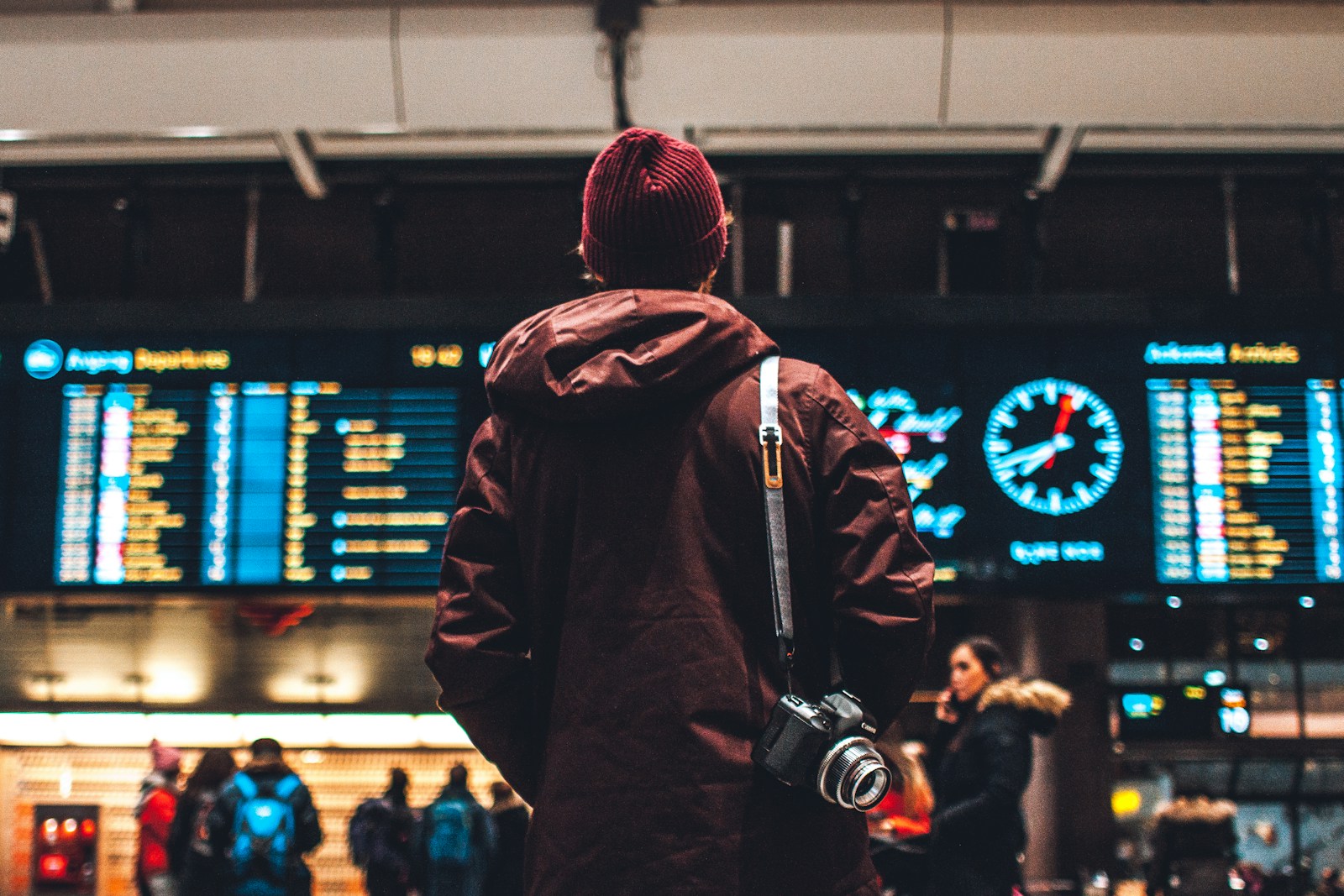
When you fly on a commercial plane, you must show valid ID at the security checkpoint. This is a rule for all adult passengers 18 and older.
Your ID needs to be TSA-approved, like a REAL ID, passport, or another accepted form. Without it, you could face delays, extra screening, or even be denied boarding.
If you don’t have the right ID, it’s smart to arrive early and talk to your airline to sort things out. Minors usually don’t need ID to fly domestically.
Entering secure government buildings often requires ID verification.
If you want to enter most federal buildings, you usually need to show a valid government-issued photo ID. This helps keep the place safe.
Starting in May 2025, you’ll need a REAL ID or other approved document for entry at certain federal buildings. A passport works too if you don’t have a REAL ID.
Remember, not every government office requires this. For example, Social Security offices often don’t ask for it unless they’re inside a secure federal building.
Buying age-restricted items like alcohol or tobacco requires showing ID.
When you buy alcohol or tobacco, you’ll almost always need to show your ID. Laws usually require retailers to check anyone who looks under a certain age, often under 30 for tobacco.
This ID check is to make sure you’re old enough to buy these products. Sometimes stores scan your ID or ask for it even if you look older, just to be safe.
If you’re ordering online or getting a delivery, you might also have to prove your age when the product arrives.
If you’re called for jury duty, you may need to prove your identity
When you get called for jury duty, you’ll likely need to show some form of ID to get into the courthouse. It doesn’t always have to be a REAL ID or a passport; often, a driver’s license or state ID will do.
This helps the court confirm you’re the right person and keeps the process secure. So, keep your ID handy on the day you report. Without it, you might face delays or extra questions.
During a lawful arrest based on probable cause, you must identify yourself.
If you’re being lawfully arrested, the police can require you to say who you are. This usually happens when officers have probable cause, meaning they believe you’ve committed a crime based on facts, not just a hunch.
You don’t have to show ID unless you’re asked during the arrest process. But refusing to identify yourself can sometimes lead to further charges or complications. It’s a good idea to cooperate and be clear about who you are when the situation calls for it.
Showing ID is necessary when opening a bank account or accessing certain financial services
When you want to open a bank account, you’ll need to show ID. Banks require this to verify who you are and to comply with legal rules designed to prevent fraud.
Usually, you’ll need a government-issued ID, like a driver’s license or passport. You might also have to provide proof of your address.
This process helps keep your money safe and ensures only authorized people can access financial services. Without proper ID, banks often can’t let you open accounts or use certain products.
Police can ask for ID if they have reasonable suspicion you’ve committed a crime
If a police officer has reasonable suspicion that you’ve been involved in a crime, they can ask you for your ID. This means they need specific facts, not just a gut feeling.
You don’t have to answer other questions, but showing your ID can be required in some states. If they don’t have reasonable suspicion, you generally don’t have to show it. Always remember, you can ask if you’re free to leave.
Passengers in a stopped vehicle don’t have to show ID unless suspected of a crime
If you’re just a passenger during a traffic stop, you generally don’t have to show your ID. Police usually focus on the driver’s identification and car documents.
However, if the officer suspects you’re involved in criminal activity, they can ask for your ID. This suspicion must be based on specific facts, not just a feeling or hunch.
So, unless the police have a clear reason to believe you’re part of a crime, you can legally refuse to show your ID.
You can refuse to show ID during a casual police encounter without reasonable suspicion.
If you’re just talking to an officer and they don’t have any reason to suspect you of a crime, you don’t have to show your ID. This type of interaction is called a consensual encounter, so you can politely say no.
Keep in mind, refusing might make the officer more cautious, but legally, you’re not required to provide ID unless there’s reasonable suspicion or other specific conditions. It’s your right to decide.