
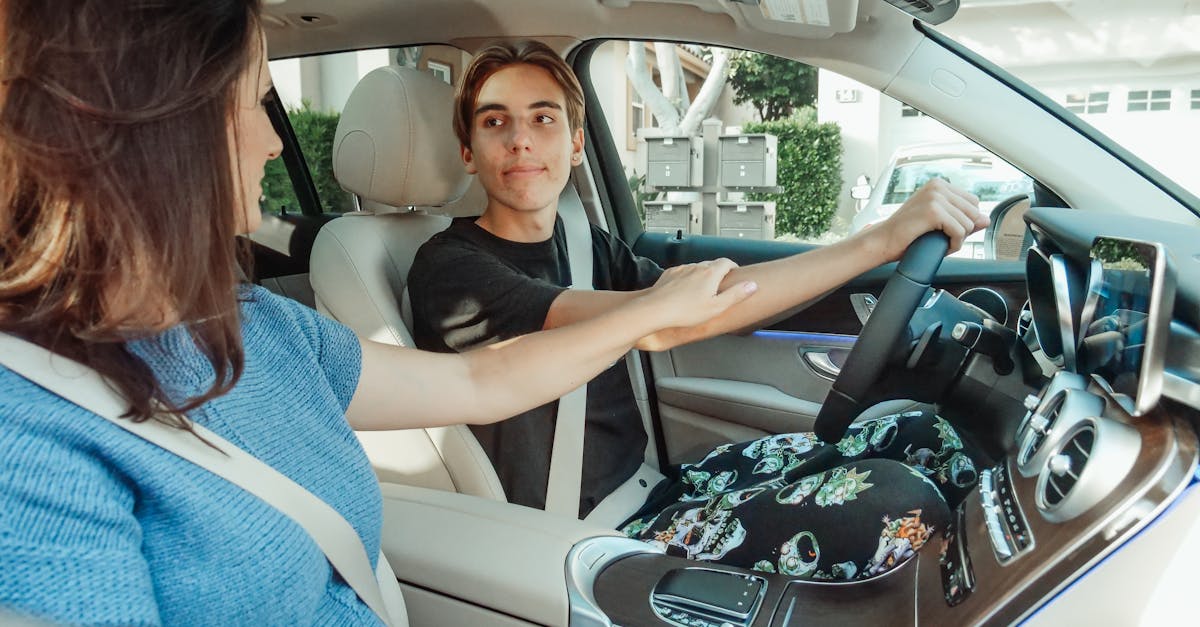


**My Teenager Wants a Sports Car as His First Vehicle. How Do I Convince Him Safety Matters More Than Horsepower?**
As a parent, it’s common to feel a mix of pride and concern when your teenager expresses interest in driving. However, when that interest translates into a desire for a flashy sports car, the stakes can feel even higher. You want to support your teen’s independence and excitement about driving, but the thought of them behind the wheel of a high-speed vehicle can be incredibly unsettling. You’re not alone in feeling frustrated about this dilemma; many parents grapple with the balance between fostering their child’s enthusiasm and ensuring their safety.
This issue is crucial not just for your child’s well-being but also for the values of respect, boundaries, and communication within your family. Setting clear expectations around safety can help guide your teen’s choices while reinforcing your role as a supportive parent. Let’s explore some actionable steps you can take to navigate this challenging conversation.
#
Start With a Calm, Direct Conversation
Begin by sitting down with your teenager in a calm environment. Open the dialogue about their interest in a sports car and ask them to share what excites them about it. This approach works because it shows that you are willing to listen and understand their perspective. Remember, your goal is to foster an open conversation, not to shut them down.
Empower yourself by acknowledging that this conversation is an opportunity to teach your teen about responsibility and the implications of their choices.
#
Share Your Concerns About Safety
Once you’ve listened to their excitement, gently express your concerns about safety. Explain why you believe a safer vehicle is a better choice, especially for a new driver. Research shows that younger drivers are at a higher risk of accidents, and a sports car’s speed can exacerbate this risk. By presenting factual information, you reinforce your stance with logic rather than just emotion.
Reassure yourself that it’s your duty as a parent to advocate for their safety, and that your concerns come from a place of love.
#
Set Clear Boundaries and Expectations
It’s essential to outline your expectations regarding vehicle safety. You might decide that a sports car is not a suitable option and establish specific criteria for the type of car that would be acceptable. This could include features like good safety ratings, lower horsepower, or certain models that have proven to be reliable for new drivers.
Being clear about your expectations can help set boundaries that your teenager can respect. Trust that your guidance will help them make better decisions.
#
Involve Your Partner Without Blaming Them
If you share parenting responsibilities, it’s important to involve your partner in this conversation. Approach the topic collaboratively rather than placing blame on each other for differing opinions. Discuss the issue together so that you present a united front to your teen. This consistency reinforces the importance of safety and responsible decision-making.
Engaging your partner can strengthen your parenting approach, showing your teen that both of you are committed to their welfare.
#
Offer Reasonable Alternatives
Instead of outright rejecting the idea of a sports car, suggest alternative vehicles that meet both your safety criteria and your teenager’s desire for something appealing. Look for cars that are sporty but also have strong safety features, or perhaps consider a used car that is less powerful yet still stylish.
Offering alternatives shows your teen that you’re willing to compromise while still prioritizing safety. This can empower them to feel involved in the decision-making process.
#
Encourage Responsibility and Ownership
Discuss the responsibilities that come with owning a car, including insurance costs, maintenance, and safe driving practices. Help your teen understand that owning a vehicle is not just about having fun; it also involves serious responsibilities. This approach works because it encourages them to think critically about their choices.
By reframing the conversation around responsibility, you can help your teen see the bigger picture and the importance of making informed decisions.
#
Reinforce Open Communication
Finally, emphasize the importance of ongoing communication. Let your teenager know that they can always come to you with questions or concerns about driving or vehicle choices. This open line of communication can foster a sense of trust and security, making it more likely that they will listen to your advice.
Remind yourself that creating an environment where your teenager feels comfortable discussing their feelings and choices is vital to their development and your relationship.
#
Closing
Navigating your teenager’s desire for a sports car can be challenging, but with clear communication and established boundaries, the situation can improve. Remember, this is an opportunity to teach valuable lessons about responsibility, safety, and decision-making. Your guidance will help shape their understanding of what truly matters.
As you approach this conversation, keep in mind that fostering a strong relationship built on trust and respect will empower your teenager to make choices that prioritize their safety and well-being. You’ve got this!