

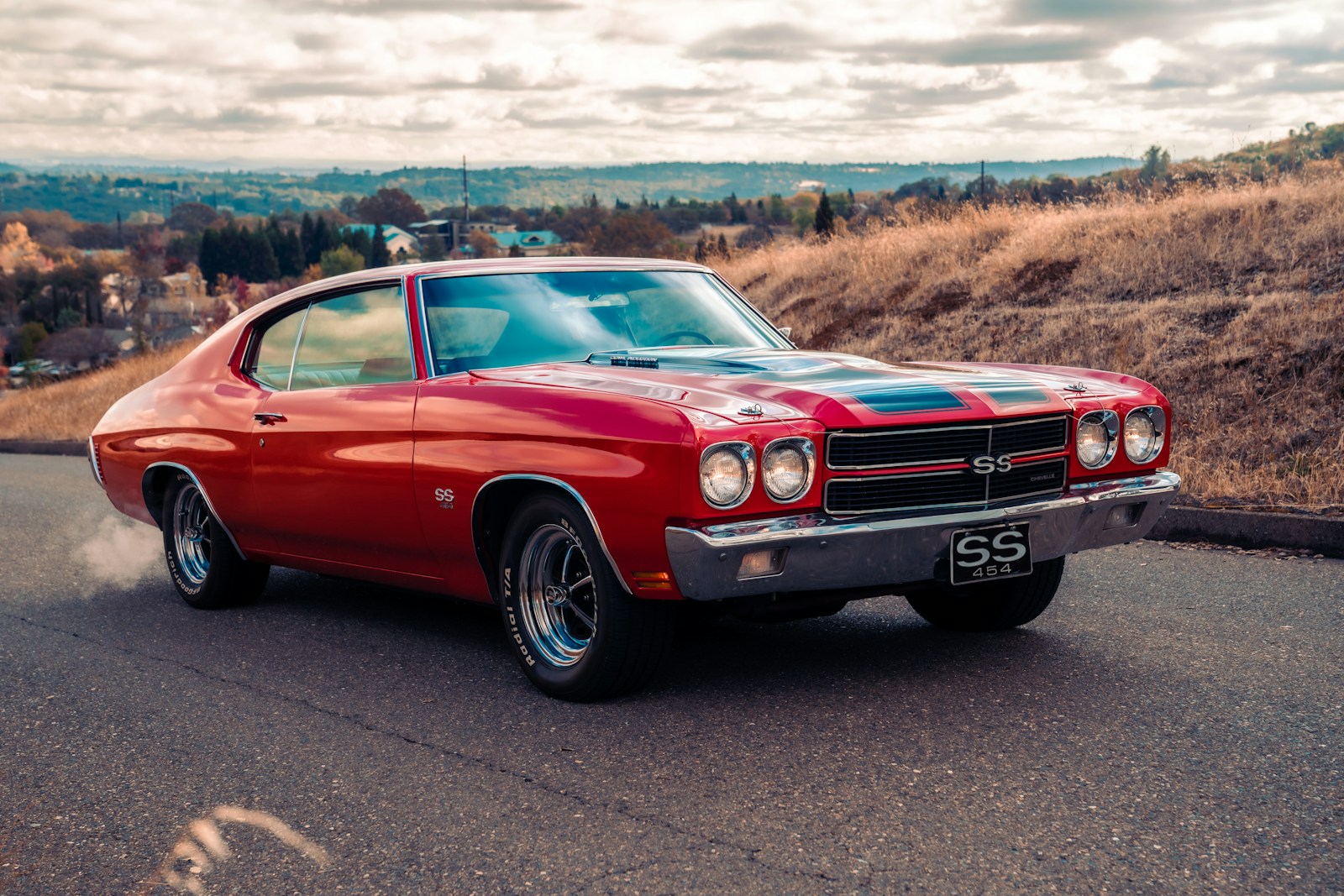
Restoring a classic car can be an exciting journey, filled with memories and nostalgia. However, when faced with the reality of lengthy wait times—some shops quoting up to a year for restoration—you might find yourself at a crossroads. Should you dive into the restoration process yourself, or wait patiently for professional help? This dilemma can be frustrating, especially when your passion for the vehicle is strong, and the clock is ticking.
You’re not wrong to feel overwhelmed by this situation. The desire to see your classic car in its former glory is completely valid, and the thought of waiting an entire year can be disheartening. This issue matters because it touches on your values of patience, respect for craftsmanship, and your relationship with your beloved vehicle. The decisions you make now can shape not just the outcome of the restoration but also your overall experience as a classic car enthusiast.
Assess Your Skills and Resources
Before making any decisions, take a moment to evaluate your own skills and the resources you have at your disposal. Are you mechanically inclined? Do you have access to the tools necessary for a DIY project? Understanding your own capabilities will help you determine which parts of the restoration process you can realistically tackle.
Assessing your skills makes you more confident in your ability to contribute to the project. Remember, even small contributions can lead to significant progress!
Research DIY Options
Once you’ve gauged your skills, dive into research on the specific restoration tasks you’re considering. Whether it’s bodywork, engine tuning, or interior refurbishment, there are countless tutorials, forums, and videos online that can guide you step-by-step.
This research approach empowers you by transforming daunting tasks into manageable projects. You’ll find that many car enthusiasts have been in your shoes and are eager to share their knowledge.
Break the Project Down into Manageable Steps
If you decide to go the DIY route, breaking down the restoration into smaller, manageable tasks can make the project feel less overwhelming. Start with minor repairs and gradually work your way up to more complex jobs.
This method not only keeps you motivated but also allows you to celebrate small victories along the way. Remember, progress is progress, no matter how small!
Keep the Professionals in Mind for Major Tasks
While DIY is an excellent way to engage with your car, some tasks are best left to the professionals. If you encounter major issues—like structural repairs, paint jobs, or electrical work—consider holding out for a qualified shop.
This approach ensures that critical components of the restoration are handled with expertise. Trusting professionals for these tasks can give you peace of mind, knowing that your classic car is in good hands.
Communicate with Local Shops
If you’re leaning towards waiting for professional help, consider reaching out to local shops for more clarity. Sometimes, shops can give you an estimated timeline or even suggest interim solutions while you wait.
Open communication can also build a rapport with the shop owners, making them more likely to prioritize your project. Plus, knowing you’re on their radar can help alleviate some of the anxiety that comes with long waits.
Consider Hybrid Solutions
You don’t have to choose strictly between DIY and professional help; a hybrid approach can often be the best of both worlds. Tackle smaller projects yourself while reserving bigger tasks for the professionals.
This solution allows you to maintain a sense of progress without sacrificing quality. Balancing both methods can also deepen your connection to the car and the restoration process.
Set a Realistic Timeline
Finally, whatever path you choose, set a realistic timeline for yourself. If you opt for DIY, recognize that some tasks may take longer than anticipated. If you’re waiting for professionals, prepare yourself for the wait mentally, so it doesn’t feel as daunting.
Setting realistic expectations helps you manage your time effectively and reduces frustration. Remember, every restoration journey is unique, and patience often leads to the most rewarding outcomes.
Closing
Though the situation may feel challenging now, remember that your classic car restoration journey can improve with time and effort. Whether you choose to DIY or wait for professional help, trust that each step you take brings you closer to seeing your vehicle restored to its former glory.
Embrace the process, and remember that every restoration story is an opportunity to learn and grow as a car enthusiast. Your passion for your classic car is what truly matters, and that will shine through in whatever path you choose.
More from Wilder Media Group: