
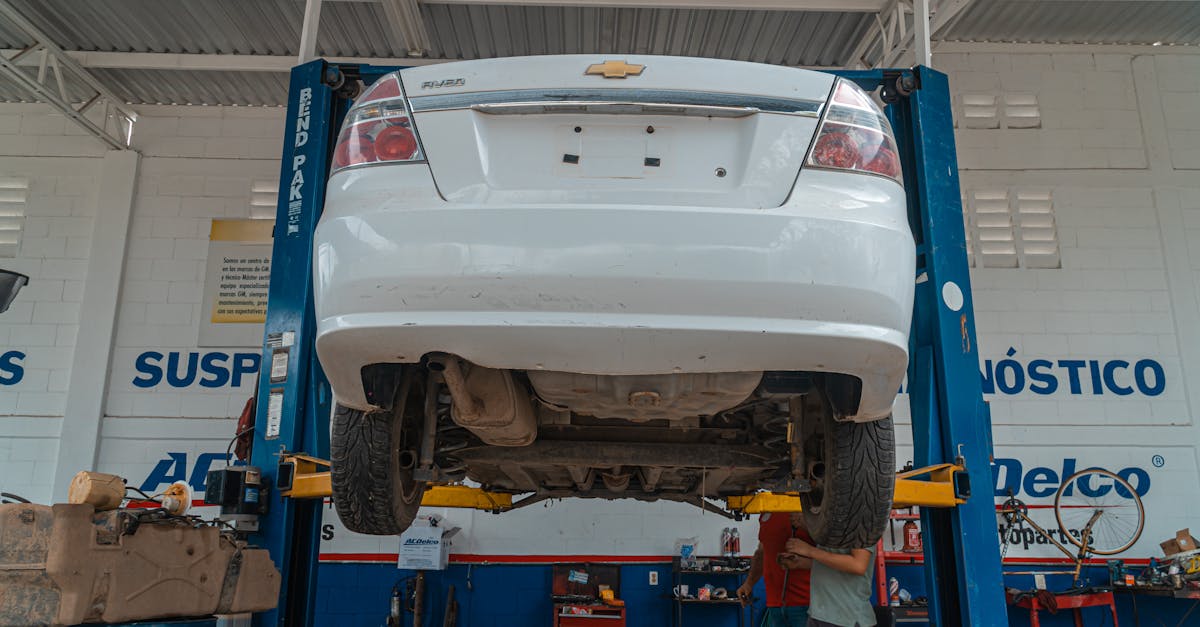


It’s a common concern among drivers: you notice that your tires are wearing unevenly, and a sense of dread washes over you as you consider the potential costs and complications of a suspension problem. You might feel overwhelmed, wondering whether this is a serious issue that requires immediate attention or if it’s something that can wait a bit longer. You’re not wrong to feel frustrated; your vehicle is an essential part of your daily life, and any problems can disrupt your routine.
Understanding the symptoms of suspension problems is crucial. Addressing these issues promptly can not only save you money in the long run but also ensure your safety on the road. Let’s explore some actionable steps you can take to assess the situation before committing to an inspection.
Start With a Visual Inspection
Before spending any money, take a moment to inspect your tires and vehicle visually. Look for signs of uneven wear patterns—do the edges of the tires appear more worn than the center? Is one side of the tire significantly different from the other?
This initial step is important because it helps you pinpoint specific areas of concern and provides valuable information if you decide to consult a mechanic. Remember, recognizing these signs early can empower you to make informed decisions about your vehicle’s maintenance.
Check Your Tire Pressure Regularly
Maintaining the correct tire pressure is essential for even tire wear. Use a tire pressure gauge to check if your tires are inflated to the manufacturer’s recommended levels. Low or high pressure can lead to uneven wear and may be a symptom of a larger suspension issue.
Staying on top of tire pressure not only promotes even wear but also enhances fuel efficiency and handling. You’ve got this—keeping your tires properly inflated is a simple yet effective way to protect your investment.
Conduct a Bounce Test
Performing a bounce test on your vehicle can help you gauge the condition of your suspension. Push down on each corner of the car and release; if the vehicle bounces more than once or twice, it may indicate worn shocks or struts.
This test is straightforward and can provide immediate insight into your suspension’s health. Trust your instincts—taking this proactive measure shows you care about your vehicle’s performance.
Listen for Unusual Noises
When driving, pay attention to any strange sounds that may indicate suspension problems. Clunks, thuds, or rattles when you hit bumps or drive over rough terrain could signal issues with components like struts, shocks, or bushings.
Listening carefully is a powerful tool in understanding your vehicle’s condition. You are not alone in this; many drivers face similar challenges, and being aware of these sounds can help you address them before they escalate.
Look for Vehicle Alignment Issues
Take note of how your vehicle handles. If it pulls to one side, it could be a sign of misalignment, which often accompanies suspension problems. Uneven tire wear can also be exacerbated by poor alignment.
Checking for these signs will help you understand if your suspension is the root cause of the problem. You are equipped to handle this—awareness is the first step toward resolution.
Monitor Handling and Ride Comfort
Evaluate how your vehicle feels while driving. If you notice excessive swaying, bouncing, or an overall uncomfortable ride, these could be symptoms of suspension issues.
Being attentive to how your vehicle performs can empower you to act if something feels off. Remember, you have the right to ensure your car operates safely and comfortably.
Schedule an Inspection if Necessary
If you’ve noticed any of the symptoms mentioned above, it might be time to schedule a professional inspection. Choose a reputable mechanic who can provide a thorough assessment of your suspension and tires.
Taking this step is not only proactive but also a wise investment in your safety and your vehicle’s longevity. You deserve peace of mind knowing your vehicle is in good hands.
Closing
Navigating vehicle issues can be daunting, but addressing potential suspension problems early can lead to better outcomes. Remember, you have the power to take control of this situation and ensure your car remains safe and reliable.
As you move forward, trust yourself to make the right decisions for your vehicle. With attention and care, you can tackle this issue and enjoy many more miles of smooth driving ahead.
More from Wilder Media Group: