

When you ask working mechanics which cars they would never park in their own driveway, the answers can be blunt. Drawing on shop-floor experience, tariff analysis, and reliability reporting, these 14 brands repeatedly raise red flags for long-term ownership costs, repair headaches, or both. If you are trying to avoid a money pit, it helps to understand why professionals who fix cars for a living are so wary of these badges.
1) BMW
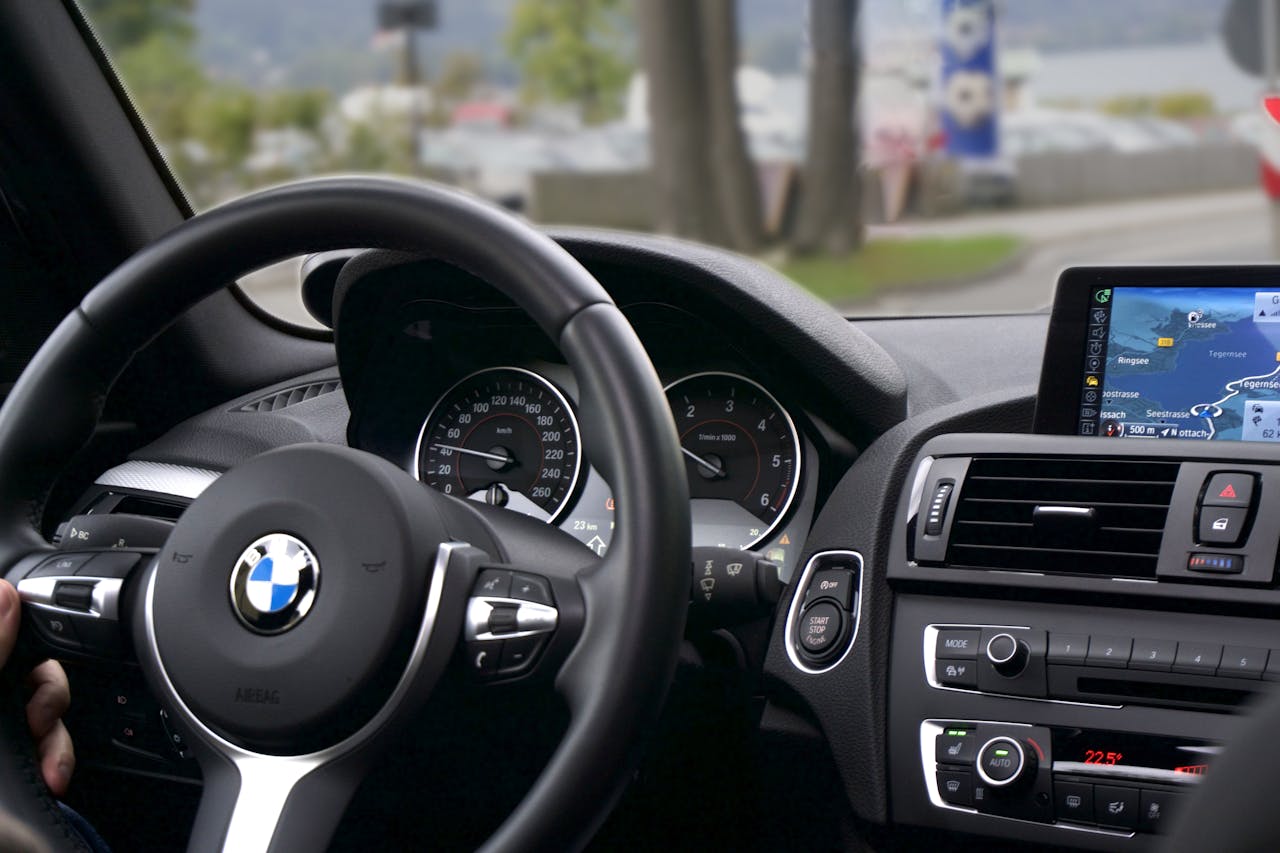
BMW often tops mechanics’ personal “do not buy” lists because of the brand’s frequent electrical issues and high repair costs. Modern 3 Series and 5 Series models pack in complex modules for everything from adaptive headlights to digital dashboards, and technicians report that these systems can fail in clusters rather than one at a time. When a single control unit goes out, it may require coding, specialized tools, and hours of labor, which quickly inflates the bill for owners once the factory warranty expires.
Those same mechanics say the cost of genuine BMW parts and fluids magnifies the problem, especially on turbocharged engines that already demand strict maintenance. A relatively simple job, such as replacing an electric water pump on a 335i, can cost several times more than on a mainstream sedan. For you as a buyer, that means a used BMW that looks like a bargain on the lot can turn into a recurring expense in the shop, undermining the value that drew you in.
2) Mercedes-Benz
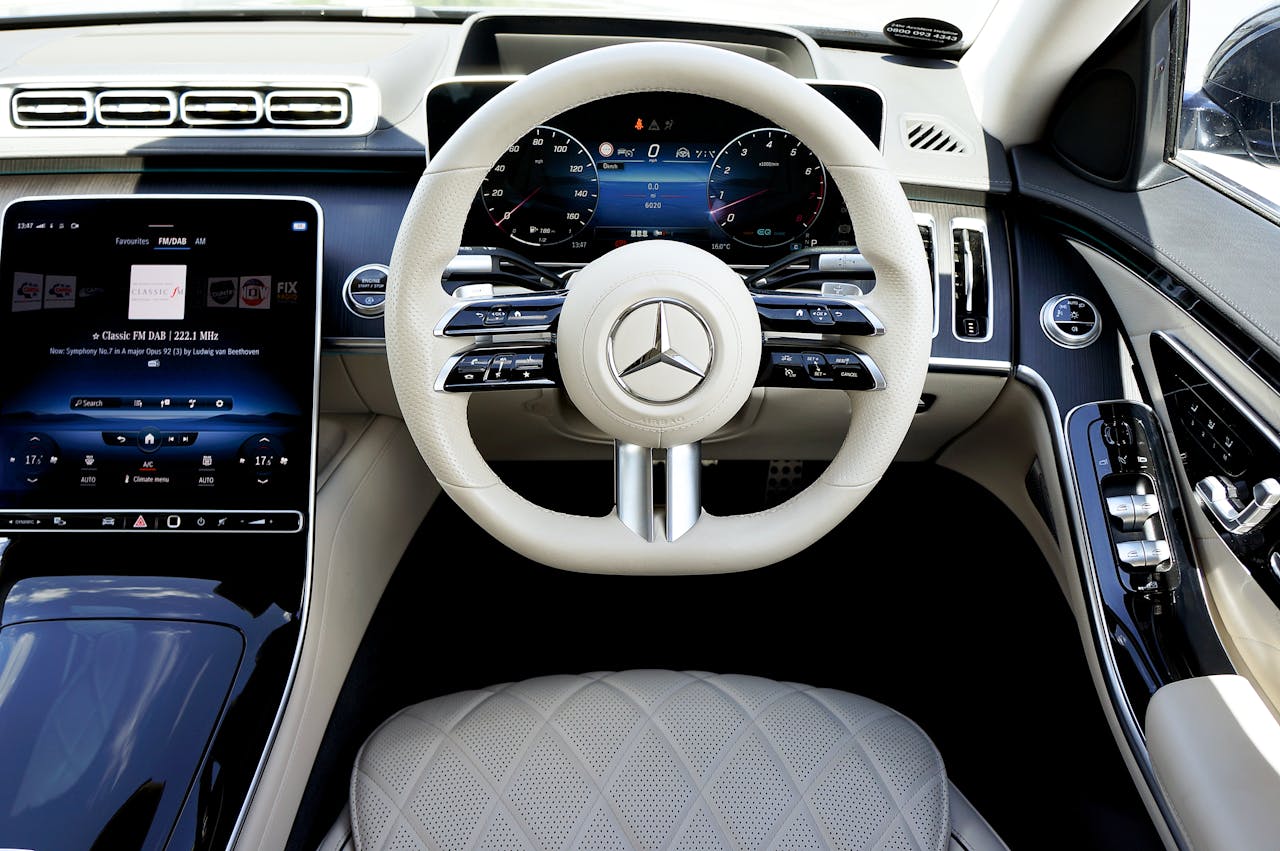
Mercedes-Benz earns similar skepticism because technicians repeatedly encounter ongoing transmission problems and expensive parts. Multi-speed automatic gearboxes in models like the C-Class and E-Class are intricate, and when they begin to slip, shudder, or throw fault codes, the fix is rarely cheap. Mechanics describe situations where a full transmission replacement is more cost effective than a piecemeal rebuild, but that still leaves owners staring at a repair that can rival the value of an older car.
Beyond the drivetrain, the cost of suspension components, electronic steering racks, and safety sensors adds up quickly. Even routine wear items, such as brake rotors and pads, are priced at a premium compared with non-luxury brands. For you, the implication is clear: while a used Mercedes-Benz can feel like an attainable slice of luxury, the long-term financial commitment to keep it running at its best may be far higher than you expect.
3) Land Rover
Land Rover has a reputation among mechanics for chronic reliability failures and off-road component breakdowns. Air suspension systems on models like the Range Rover and Discovery are frequent offenders, sagging or failing outright and leaving owners with warning lights and an uneven ride height. Technicians also point to transfer cases and differentials that can wear prematurely, especially when vehicles are used as intended on rough terrain.
These issues matter because Land Rover markets its SUVs as premium off-road tools, yet the very hardware that enables that capability can become a recurring repair line on your invoices. When a single air strut or electronic height sensor costs hundreds of dollars before labor, a full system overhaul can be financially punishing. For buyers who want rugged luxury, mechanics often suggest looking at alternatives that deliver similar capability without such a consistent pattern of shop visits.
4) Jaguar
Jaguar, Land Rover’s sibling brand, draws criticism for outdated designs and persistent engine troubles that mechanics say lingered across multiple generations. Older XJ and XF sedans, for example, carried over platforms and components that were slow to evolve, and technicians report recurring issues with timing components, cooling systems, and oil leaks. When these weaknesses are baked into the architecture, they can show up again and again as the miles climb.
For you, that means even a well-maintained Jaguar can require more frequent intervention than a rival luxury sedan. Parts availability can also be a concern, stretching repair timelines when a specific module or gasket is on backorder. Mechanics who see these patterns often advise shoppers to weigh the appeal of British styling and performance against the likelihood of higher downtime and ownership costs over the life of the car.
5) Audi
Audi’s blend of technology and performance comes with a trade-off that many mechanics are reluctant to accept for themselves, namely complex electronics and costly quattro system repairs. The brand’s signature all-wheel-drive hardware relies on electronically controlled differentials and clutches, and when those components fail, they often require specialized diagnostics and expensive replacement parts. Technicians note that a malfunctioning quattro system can trigger multiple warning lights and limp-home modes, complicating the repair process.
Inside the cabin, virtual cockpits, advanced infotainment, and driver-assistance suites add more layers of circuitry that can age poorly. A failing digital instrument cluster or MMI unit is not just an annoyance, it can be a four-figure fix. For owners, the risk is that the very features that make an Audi feel cutting-edge when new can become liabilities as the vehicle moves into its second decade, which is exactly the period when many buyers hope to enjoy low-cost motoring.
6) Volkswagen
Volkswagen appears on many mechanics’ “avoid” lists because of the combination of diesel scandals and general build quality issues. The fallout from emissions-cheating diesel engines highlighted how software and hardware decisions can have long-term consequences for owners, from resale values to potential repair campaigns. Technicians also point to interior trim, electronics, and certain small turbocharged engines that have shown premature wear or failure in models like the Jetta and Passat.
These patterns matter if you are shopping for a budget-friendly European car. While Volkswagens often drive well and feel more upscale than some competitors, the potential for nagging problems can erode that advantage. Mechanics who see Golfs and Tiguan SUVs return repeatedly for check-engine lights, sensor failures, or transmission quirks often suggest that buyers consider whether the driving experience is worth the possibility of higher-than-expected maintenance over time.
7) Toyota
Toyota is widely respected for reliability, yet some mechanics are watching it cautiously because of potential price hikes from imported vehicles tied to tariff proposals. Since many Toyota models and components are built outside the United States, higher import costs could filter down to showroom prices and, eventually, to replacement parts. Technicians note that when parts prices climb, even a brand with a strong durability record can become more expensive to own.
For you, the concern is not that a Camry or RAV4 will suddenly become unreliable, but that the economic equation might shift. If tariffs raise the cost of common items like body panels, electronics, or hybrid components, collision repairs and out-of-warranty fixes could strain budgets. Mechanics who track these trends suggest that buyers factor in not just reliability scores, but also how trade policy might affect long-term affordability.
8) Honda
Honda faces similar scrutiny because analysts warn of increased costs for U.S.-sold models due to tariff proposals. Many Civics, CR-Vs, and Accords rely on global supply chains, and mechanics worry that higher import duties on parts or finished vehicles could ripple into the service bay. When a brand’s strength is value and low running costs, any upward pressure on pricing can change how attractive it looks to long-term owners.
Technicians also point out that modern Hondas use advanced continuously variable transmissions and turbocharged engines that require specific fluids and components. If tariffs make those items pricier, the cost of routine maintenance and occasional repairs could climb. For buyers who have long viewed Honda as a safe financial bet, it is worth watching how policy decisions might affect the total cost of ownership over a decade or more.
9) Nissan
Nissan lands on this list because tariff discussions highlight impacts on Mexico-assembled trucks and sedans that could raise overall ownership expenses. Models like the Nissan Sentra and certain Frontier and Titan variants rely on cross-border production, and mechanics note that any new duties on those imports would likely be reflected in sticker prices and parts catalogs. That means higher costs not only when you buy, but also when you repair.
At the same time, technicians already see Nissans frequently for issues with continuously variable transmissions and aging suspension components. If parts for those systems become more expensive because of tariffs, the financial hit from a major repair could be significant. For you as a shopper, that combination of existing mechanical concerns and potential policy-driven price increases makes Nissan a brand to evaluate carefully before committing.
10) Hyundai
Hyundai’s rapid growth in the United States has been impressive, but some mechanics are wary because proposed tariffs targeting supply chain affecting affordability could undercut its value pitch. Many Hyundai models, from the Elantra to the Santa Fe, depend on imported components that keep prices low. If those parts are hit with new duties, technicians expect that both showroom pricing and replacement costs could rise.
That concern is amplified by social media commentary such as the clip titled Why NEVER BUY Hyundai, where self-described expert mechanics single out the brand for reliability complaints. When a manufacturer’s main advantage is affordability, any combination of tariff pressure and perceived durability issues can change the calculus. For buyers, it is a reminder to look beyond the monthly payment and consider how policy and repair trends might affect the car five or ten years down the road.
11) Kia
Kia, Hyundai’s corporate cousin, faces parallel concerns because its import-heavy lineup risks higher consumer prices under tariff plans. Many popular models, including the Kia Sportage and Sorento, rely on overseas factories and parts pipelines. Mechanics warn that if tariffs raise the cost of those components, owners could see higher prices for everything from bodywork to engine parts, especially once vehicles age out of warranty coverage.
In addition, some technicians group Kia with Hyundai when discussing engine and transmission complaints, citing online discussions and videos that urge drivers to “NEVER BUY” either brand. While not every model is problematic, the perception among people who fix these cars is that the margin for error is smaller if costs rise. For you, that means a careful review of warranty terms, parts pricing, and long-term reliability data is essential before choosing a Kia based solely on its initial value.
12) Ford
Ford shows up frequently in independent shops, and mechanics single out its trucks for suspension and rust repairs. F-Series pickups that see heavy work use can develop worn ball joints, control arms, and leaf springs, while frames and body panels in rust-prone regions may corrode faster than owners expect. Technicians say these issues are common enough that they plan for a steady stream of Ford trucks needing underbody attention.
For owners, the stakes are both safety and cost. Suspension wear affects handling and braking, and rust can compromise structural integrity or make other repairs more difficult. When you factor in the price of large truck components and labor-intensive rust remediation, the long-term cost of keeping an older Ford on the road can be substantial. Mechanics who see these patterns often advise buyers to budget aggressively for maintenance if they choose a used F-150 or Super Duty.
13) Chevrolet
Chevrolet earns a spot on mechanics’ “never buy” lists because many of its cars and SUVs appear in the bay for engine and transmission fixes. Models like the Chevy Equinox, which is singled out in discussions of problem vehicles, have been plagued by timing chain issues, oil consumption, and gearbox failures. Technicians note that once these problems surface, they can be difficult to resolve permanently without major component replacement.
Those big-ticket repairs can quickly erase any savings from a low purchase price or generous incentives. When an engine rebuild or transmission swap costs several thousand dollars, owners may be forced to choose between sinking money into an aging vehicle or walking away. For you, that risk profile makes it crucial to research specific Chevrolet model years and powertrains, and to consider whether a slightly more expensive rival might deliver lower lifetime costs.
14) Dodge
Dodge rounds out the list because mechanics repeatedly see its vehicles, especially muscle cars and older sedans, for electrical and braking issues. Chargers and Challengers with powerful V8 engines are often driven hard, which can accelerate wear on brake pads, rotors, and ABS components. Technicians also report recurring problems with wiring harnesses, sensors, and body control modules that lead to intermittent faults and frustrating diagnostic sessions.
These patterns matter if you are drawn to Dodge for its performance image. High horsepower already implies higher running costs for tires and fuel, and layering electrical gremlins and brake repairs on top of that can stretch a budget thin. Mechanics who see these cars cycle through their shops caution that the thrill of a loud exhaust and strong acceleration should be balanced against the likelihood of more frequent, and sometimes more complex, service visits over the life of the vehicle.
More from Wilder Media Group: