

Highway driving should be where your car delivers its best mileage, yet a handful of common habits quietly drain your tank. By understanding how speed, aerodynamics, weight, and driving style interact at 60 to 75 mph, you can avoid the behaviors that ruin your fuel economy. Each of the nine habits below is backed by testing and engineering data, and each one is fixable on your very next trip.
1) Speeding Beyond Optimal Limits
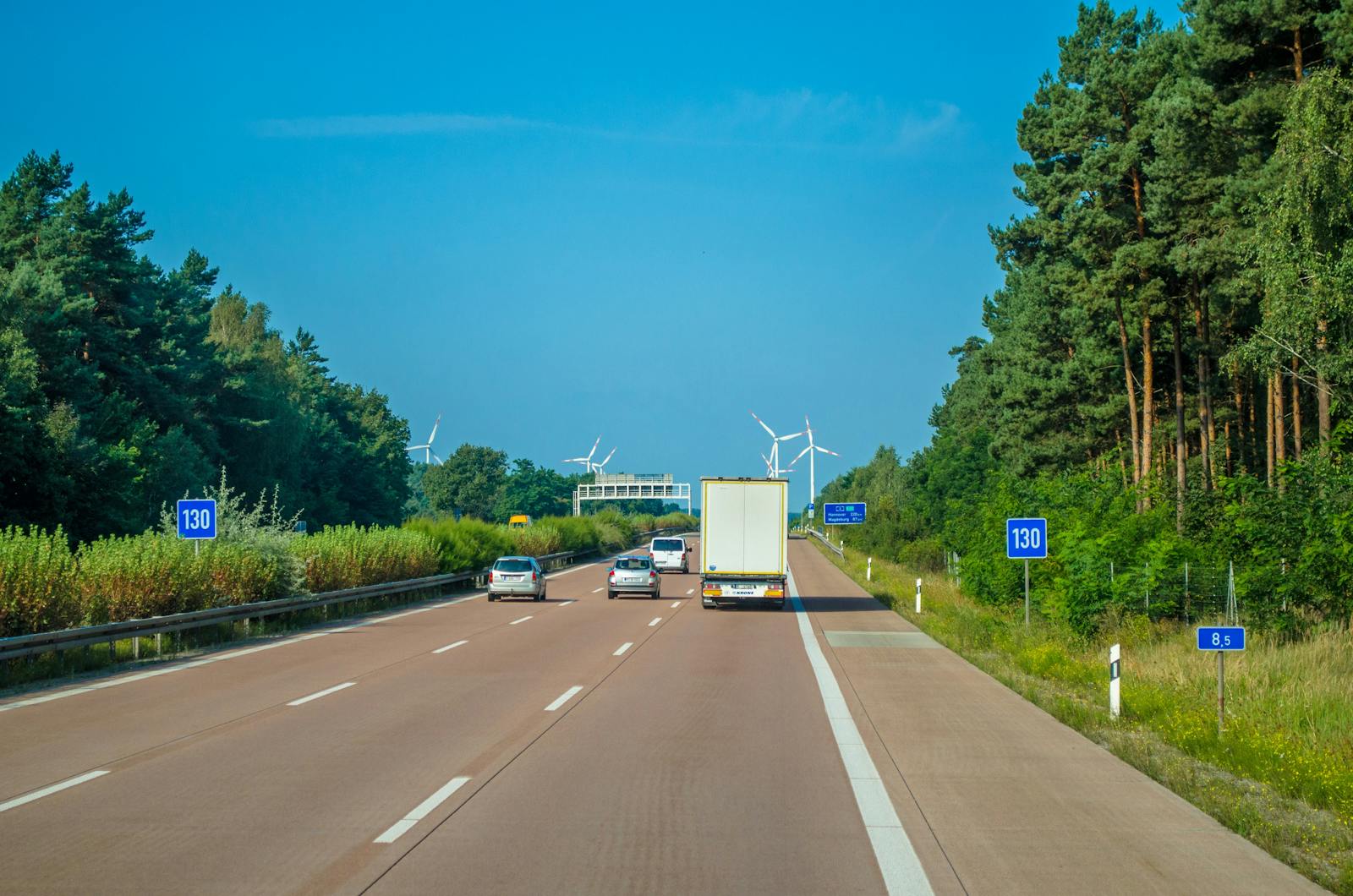
Speeding beyond optimal limits is one of the fastest ways to wreck highway fuel economy. Federal guidance notes that driving above 50 mph sharply increases aerodynamic drag, and that efficiency can drop by up to 15% for every 5 mph over 60 mph. A technical summary on fuel economy warns that you can lower your gas mileage by as much as 33% at highway speeds and stresses, in capitalized phrasing, “Observe the speed limit. Each 5 MPH you drive over 60 MPH can reduce your” efficiency, a reminder that air resistance rises exponentially as speed climbs.
For you, that means cruising at 75 mph instead of 60 mph can feel convenient but function like a permanent fuel surcharge. On a long interstate commute, the extra drag forces your engine to burn more fuel just to push the same vehicle through thicker air. Slowing to the right lane, using cruise control where conditions allow, and planning a few extra minutes into your schedule can reclaim a surprising amount of range from every tank.
2) Aggressive Acceleration and Braking
Aggressive acceleration and braking on highways quietly erase the gains you expect from steady-speed cruising. Energy analysts report that rapid throttle inputs and hard stops can cut fuel economy by 15% to 33% compared with smooth, anticipatory driving. That range reflects how much extra fuel your engine must inject every time you floor the pedal to jump ahead of traffic, then slam the brakes when you catch the next pack of cars.
Instead, you protect your mileage by treating the accelerator like a dimmer switch, not an on/off button. Leaving a larger following gap, looking several vehicles ahead, and easing off early for slowdowns lets you maintain momentum instead of converting fuel into wasted heat at the brakes. Over a week of commuting, that calmer style can save multiple gallons, while also reducing wear on pads, rotors, and even your transmission.
3) Using Roof Cargo Racks
Using roof cargo racks or bulky carriers turns your vehicle into a less efficient shape at highway speeds. Testing shows that roof-mounted boxes and baskets increase aerodynamic drag, which can decrease fuel economy by 2% to 8% on the open road. The penalty grows with speed, because the air your car must push aside becomes a much bigger part of the total resistance above 60 mph.
If you only need the rack for occasional trips, removing it between uses is one of the simplest efficiency wins available. Stowing gear inside the cabin or in a rear hitch carrier, where it sits in the vehicle’s slipstream, usually costs less mileage than a tall box on the roof. For families who road-trip often, choosing a lower-profile, wind-tunnel-tested carrier can soften the hit while still giving you the cargo space you need.
4) Neglecting Tire Inflation
Neglecting tire inflation quietly sabotages highway efficiency by increasing rolling resistance. Safety data show that under-inflated tires reduce fuel economy by about 0.2% to 3% for every psi below the recommended pressure, and the effect compounds at higher speeds. As one technical guide on tire safety explains, Underinflated tires create more drag against the road, which means your engine must burn more fuel just to keep you moving at a steady 65 mph.
Proper inflation does more than save gas. Federal safety brochures note that correct pressures Improve vehicle handling, Help protect you from avoidable breakdowns, and Increase the life of your tires, all of which matter most at highway speeds. Checking pressures monthly with a digital gauge and adjusting to the door-jamb specification, not the sidewall maximum, keeps your car safer, more efficient, and more predictable in emergency maneuvers.
5) Unnecessary Idling in Traffic
Unnecessary idling in highway traffic wastes fuel even when you are barely moving. Environmental data show that idling can burn 0.5 to 1 gallon of fuel per hour, which translates into a 10% to 20% efficiency loss in stop-go congestion compared with free-flowing conditions. In practical terms, sitting in a jam with the engine running and the air conditioning blasting can consume as much fuel as driving several extra miles.
When traffic is at a standstill and it is safe to do so, shutting the engine off for longer waits can cut that waste, a strategy now automated in many start-stop systems. Planning routes to avoid chronic bottlenecks, using navigation apps that reroute around incidents, and timing departures outside peak rush periods all reduce the amount of time you spend burning fuel without covering distance.
6) Over-Reliance on Air Conditioning
Over-reliance on air conditioning at highway speeds can significantly dent your mileage. Testing summarized by consumer advocates shows that heavy A/C use can reduce fuel economy by 5% to 25%, because the compressor draws substantial engine power whenever it cycles on. That load is especially noticeable on compact cars and older sedans that lack efficient variable compressors or hybrid-style electric systems.
Rather than suffering in the heat, you can manage the impact. Using the “auto” climate setting, starting with the windows cracked at low speeds to purge hot air, then closing them above 45 mph, and setting a moderate temperature instead of the coldest setting all help. Guidance on Properly managing vehicle systems notes that Every reduction in unnecessary load, including climate control, contributes to better fuel economy over long highway stretches.
7) Hauling Extra Weight
Hauling extra weight in your vehicle steadily chips away at highway fuel economy. Federal efficiency guidance explains that carrying unnecessary cargo, such as 100 extra pounds of tools or sports gear, can lower mileage by about 1% to 2%. One service bulletin puts it bluntly: You lose one mpg in fuel economy for every 100 lbs of extra weight you haul, and adds, “Make sure your tires are properly inflated” to avoid compounding the loss.
Physics-focused analyses echo that an extra 100 pounds can cut MPG, while engineering reviews find that a 100-pound reduction delivers Reduced energy demand for acceleration. Even General Motors warns that as little as 100 extra pounds in the trunk can hurt efficiency. Environmental guidance adds that You will decrease mileage by 1% to 2% for every extra 100 pounds, and points drivers toward What Really Saves Gas to reinforce that cleaning out the car is a genuine money saver.
8) Skipping Tire Alignment Checks
Skipping tire alignment checks undermines fuel economy by forcing your car to fight itself at speed. Technical guidance from tire engineers notes that improper alignment or unbalanced tires can decrease fuel economy by up to 10% on highways, because misaligned wheels scrub against the pavement instead of rolling freely. That extra friction shows up as heat in the tread and sidewalls, and as a subtle pull in the steering wheel that you may unconsciously correct with constant input.
Regular alignment inspections, especially after hitting potholes or curbs, keep the suspension geometry within specification so the tires track straight. Combining alignment with rotation and balancing also helps your tires wear evenly, extending their life and preserving the low rolling resistance they were designed to deliver. For high-mileage drivers, the cost of a periodic alignment can be offset quickly by the fuel and tire savings it unlocks.
9) Excessive Lane Changing and Tailgating
Excessive lane changing and tailgating on highways erode fuel economy by triggering constant, unnecessary acceleration and braking. Real-world testing of highway driving behaviors finds that weaving through traffic and following too closely can cut efficiency by 10% to 20% compared with holding a steady lane and maintaining a safe gap. Every time you dart into a slightly faster lane, then brake when it slows, you repeat the same wasteful cycle of burning fuel to speed up and dumping that energy as heat at the brakes.
Adopting a “flow with traffic” mindset helps you reclaim that lost mileage. Choosing a consistent cruising lane, using adaptive cruise control where available, and keeping at least a three-second following distance reduce the need for abrupt inputs. Beyond the fuel savings, calmer lane discipline lowers crash risk and stress levels, making long highway stretches safer and less exhausting for you and everyone around you.