

Shopping the used market can feel like defusing a bomb, especially when you are eyeing popular models that mechanics say have turned into rolling liabilities. Many technicians now argue that Ford’s modern engines are “hot garbage,” and that the brand’s decline has turned once-trusted nameplates into risky bets. If you want to avoid a financial explosion in your driveway, these 11 used Fords are the ones mechanics most often warn you to treat like time bombs.
1) Ford F-150
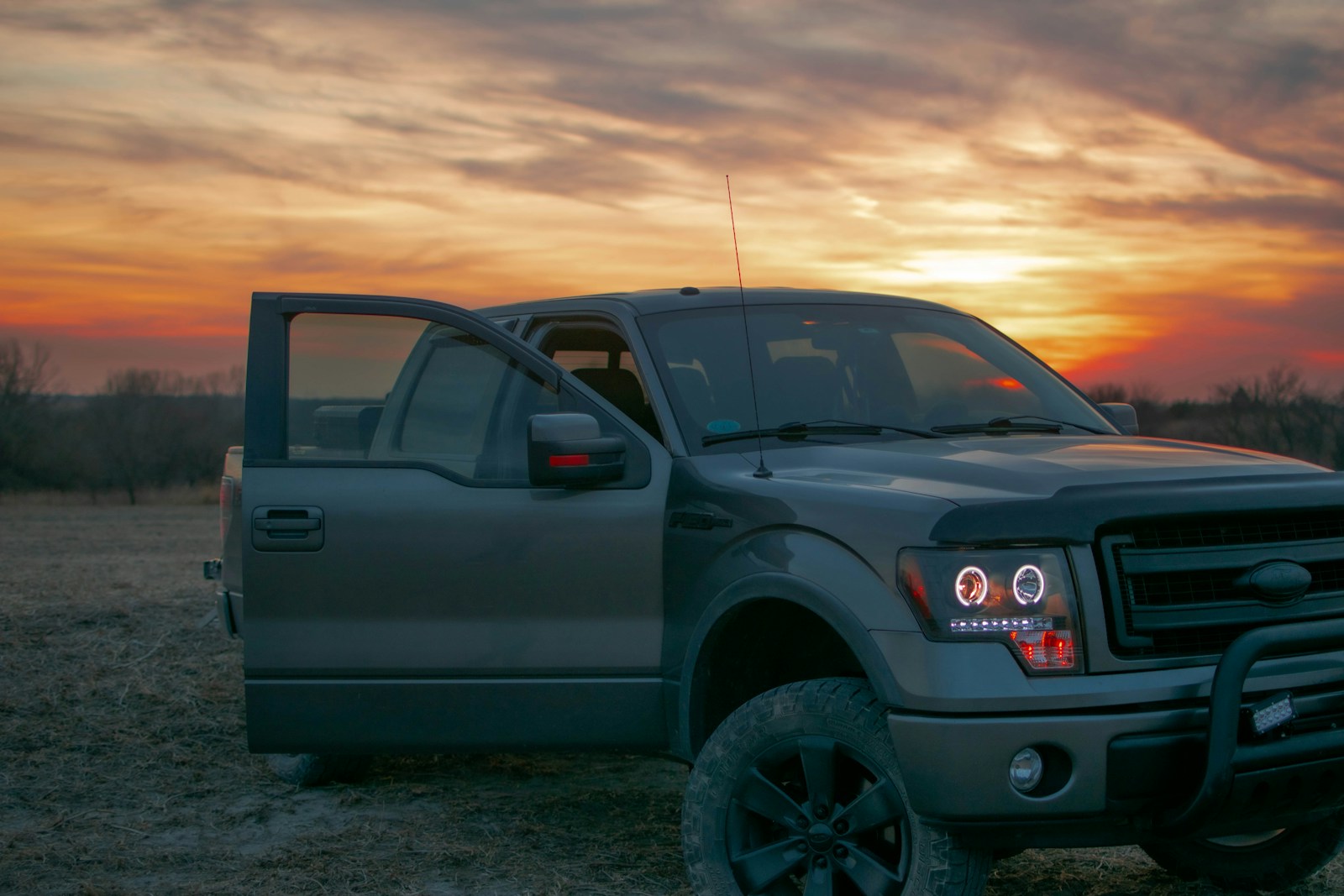
The Ford F-150 is the best-selling truck in America, yet many mechanics now warn that certain used examples are ticking time bombs. Veteran technicians point to a broader decline in the brand’s powertrains, with some describing recent Ford engines as “hot garbage” that no longer deliver the durability buyers expect. When you combine complex turbocharged setups with heavy towing and spotty maintenance histories, the risk of expensive failures climbs quickly.
For you as a used buyer, that means an F-150 that looks like a bargain can hide looming engine or transmission repairs that dwarf any savings on the purchase price. Mechanics often see trucks arrive with promises of capability and economy but leave behind angry owners and exhausted shops, a pattern echoed in broader discussions of how some modern vehicles have become reliability landmines. If you are set on an F-150, you need meticulous service records and a pre-purchase inspection from a technician who knows these trucks inside and out.
2) Ford Explorer
The Ford Explorer has long been a family staple, but many technicians now group it with other Ford products they say have gone downhill mechanically. When a brand’s engines are widely criticized as “hot garbage,” SUVs that share those powertrains inherit the same risk profile, especially once they rack up miles. Explorers often see hard daily use, from school runs to road trips, which magnifies any underlying weaknesses in cooling systems, timing components, or transmissions.
Mechanics who work on these SUVs warn that a cheap used Explorer can quickly morph into a money pit if you inherit neglected maintenance or hidden overheating episodes. The stakes are high for families who rely on this vehicle as their primary hauler, because a sudden breakdown can disrupt work, school, and travel plans all at once. If you are considering an Explorer, you should budget for a thorough diagnostic scan and be ready to walk away from any example with vague service history or warning lights.
3) Ford Focus
The Ford Focus is often marketed as an affordable commuter, yet many mechanics now treat older examples as prime time bombs in the used market. Compact cars like the Focus were supposed to offer simple, durable transportation, but the broader criticism that modern Ford engines have become “hot garbage” has spilled over into this segment. Technicians also see economy models pushed hard with minimal upkeep, which accelerates wear on already fragile components.
Industry voices who warn that some cars are “ticking time bombs” often point to vehicles that promised low running costs but instead delivered constant shop visits. For you, that means a cheap Focus can come with chronic drivability issues, transmission complaints, and electrical gremlins that never quite stay fixed. Before you sign anything, you should have a trusted mechanic road test the car, check for stored fault codes, and verify that basic maintenance like fluid changes and recalls are fully up to date.
4) Ford Fusion
The Ford Fusion once looked like a smart, budget-friendly midsize sedan, but many technicians now see it as a risky used buy. In real-world repair bays, the Fusion often appears alongside other American economy models that have not aged well. One mechanic-focused clip bluntly notes that “Here we got a Chevy Cruz and a Ford Fusion and these are top-of-the-line American economy cars,” a context that underscores how hard these sedans are driven and how quickly they can deteriorate.
When you pair that usage pattern with engines from a brand mechanics say has gone downhill, the result is a sedan that can hide serious mechanical fatigue behind a clean paint job. For buyers, the danger is not just one big failure but a series of medium-size repairs, from cooling issues to transmission problems, that steadily drain your budget. If you are tempted by a low-priced Fusion, you should factor in a repair reserve and insist on a full inspection that includes a close look at fluid condition and any signs of overheating.
5) Ford Escape
The Ford Escape is a go-to compact SUV for families and commuters, yet many mechanics now caution that older Escapes can be mechanical time bombs. These crossovers often share engines and components with other Ford models that technicians describe as “hot garbage,” so the same vulnerabilities show up once mileage climbs. Because Escapes are frequently used for daily commuting and light towing, they accumulate wear in stop-and-go traffic and under load, conditions that expose weak cooling and lubrication systems.
From a buyer’s perspective, the risk is that an Escape that feels fine on a short test drive may already be on the edge of head gasket, turbo, or transmission failure. Repair shops see the pattern of owners who thought they were getting a thrifty SUV but instead face repeated breakdowns and rising bills. To protect yourself, you should prioritize examples with detailed maintenance logs, avoid units with unexplained coolant loss or oil consumption, and have a technician check for any signs of overheating or internal engine damage.
6) Ford Edge
The Ford Edge targets drivers who want a midsize crossover without going to a full three-row SUV, but many mechanics now flag it as another Ford product that can turn into a time bomb. The same criticisms about the brand’s declining engine reliability apply here, especially in models that share powertrains with other troubled Fords. Edges often see mixed city and highway duty, which can mask early symptoms of internal wear until a major failure suddenly appears.
Technicians report that once these crossovers are out of warranty, owners can be blindsided by expensive engine or transmission repairs that wipe out any savings from buying used. For you, the stakes are both financial and practical, because a disabled Edge can leave you without transportation while you scramble for parts and shop time. A careful pre-purchase inspection, including a scan for stored trouble codes and a check of transmission behavior under load, is essential before you commit.
7) Ford Taurus
The Ford Taurus was once a mainstay of American driveways and fleets, but many mechanics now see aging examples as liabilities rather than safe bets. As Ford’s reputation for robust engines has eroded, sedans like the Taurus that rely on those powertrains have become riskier to own past a certain mileage. These cars often spent years in taxi, police, or corporate service, accumulating hard miles that stress cooling systems, transmissions, and suspension components.
For used buyers, that history can translate into a car that looks comfortable and spacious yet hides a backlog of deferred maintenance and impending failures. Technicians warn that once a Taurus starts needing major work, the repair costs can quickly exceed the vehicle’s remaining value, leaving you with a difficult decision. If you are still considering one, you should focus on privately owned examples with verifiable service records and avoid any car with unexplained noises, leaks, or dashboard warning lights.
8) Ford Expedition
The Ford Expedition is built to haul big families and heavy loads, but that mission profile is exactly why many mechanics now treat older units as time bombs. Large SUVs put enormous stress on engines and transmissions, and when those components come from a brand criticized for “hot garbage” powertrains, the margin for error shrinks. Expeditions often tow boats, campers, or trailers, which can push cooling systems and driveline parts to their limits, especially if maintenance has been inconsistent.
From your standpoint, a used Expedition that seems like a bargain can conceal a history of overheating, towing abuse, or neglected fluid changes that set the stage for catastrophic failure. Repair shops regularly see owners stunned by the cost of rebuilding or replacing big V6 or V8 engines and heavy-duty transmissions in these SUVs. Before buying, you should have a mechanic inspect the underbody for rust, check for signs of towing wear, and verify that all fluids and filters have been changed on schedule.
9) Ford Mustang
The Ford Mustang is an icon, but many mechanics caution that certain used Mustangs are more like time bombs than dream cars. Performance models are often driven hard, modified, and raced, which compounds the broader concerns about Ford’s modern engine durability. When a powertrain already has a reputation for being “hot garbage,” aggressive driving and tuning can accelerate failures in pistons, bearings, and cooling components.
For buyers, the emotional pull of owning a Mustang can overshadow the practical risk of inheriting someone else’s abuse. Technicians frequently encounter cars that look clean but reveal mismatched parts, amateur modifications, and hidden accident damage once they are on a lift. If you are shopping for a used Mustang, you should prioritize stock, unmodified examples, insist on a compression test and full diagnostic scan, and be prepared to walk away from any car with vague or missing maintenance records.
10) Ford Ranger
The Ford Ranger appeals to drivers who want a smaller truck, yet many mechanics now warn that older Rangers can be just as risky as larger pickups. Compact trucks often see a mix of work and play, from job sites to off-road trails, which can hide structural and mechanical fatigue. When those trucks rely on engines from a brand that technicians say has gone downhill, the odds of serious problems increase as mileage climbs.
Owners who bought Rangers for their supposed simplicity sometimes discover that modern electronics, emissions systems, and aging drivetrains create a steady stream of repair bills. For you, the danger is assuming that a smaller truck automatically means lower running costs, when in reality a neglected Ranger can be just as expensive to keep on the road as a full-size model. A detailed inspection focusing on frame rust, drivetrain noise, and fluid leaks is crucial before you commit to a used Ranger.
11) Ford Crown Victoria
The Ford Crown Victoria has a loyal following, especially among fans of old-school sedans and retired police cars, but many mechanics now treat high-mileage examples as potential time bombs. These cars often spent years in fleet service, accumulating extreme mileage, idling time, and hard use that strain engines, transmissions, and cooling systems. In pop culture, enthusiasts sometimes compare older Fords like the Ford Model T Roadster to “that old lady car from Cars,” a joke that surfaces in discussions of Hunter, Ford Model, Roadster, Cars, Hot Garbage, Fall Guys, but real-world technicians focus less on nostalgia and more on mechanical reality.
For you as a buyer, the risk is assuming that a Crown Victoria’s reputation for toughness makes it indestructible, when in fact age and mileage eventually catch up with every component. Broader market commentary notes that Ford is struggling to sell their used cars and trucks and SUVs, a sign that shoppers are increasingly wary of older models with questionable long-term reliability. If you are tempted by a cheap Crown Vic, you should have a mechanic check for frame rust, cooling issues, and signs of heavy fleet use, and be realistic about the ongoing maintenance such an aging sedan will require.