

Modern transmissions are engineered to last, yet simple driving mistakes can quietly cut their lifespan in half and leave you facing eye‑watering repair bills. Many of these habits feel harmless in daily traffic, but they steadily grind away at clutches, gears and fluid. By spotting the 12 behaviors below and changing how you drive, you protect your automatic or manual transmission from the kind of hidden damage that leads to sudden failure and expensive overhauls.
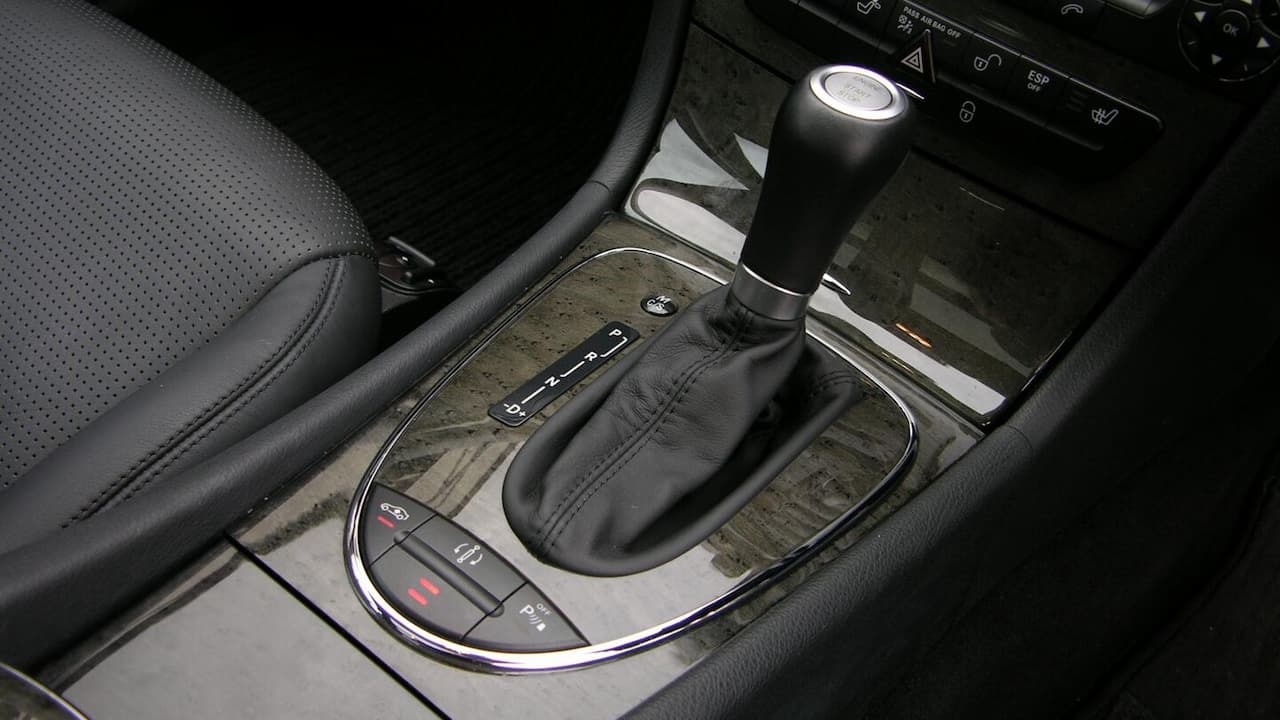
1) Ignoring Transmission Fluid Checks
Ignoring transmission fluid checks is one of the simplest ways to destroy an automatic gearbox without realizing it. Reporting on habits that destroy the automatic transmission warns that overlooked maintenance can reduce the useful life of the system by half. When fluid breaks down or runs low, internal temperatures rise, friction increases and delicate valves start to stick. You may not notice more than a slight delay in shifting, yet the damage is already underway.
Regular inspections catch burnt smell, dark color or metal particles before they escalate into failure. Many manufacturers recommend checking levels at every oil change, but heavy city driving or towing can justify more frequent checks. For owners of vehicles like a 2016 Toyota Corolla or a 2018 Honda Civic, a simple dipstick inspection or scheduled service can be the difference between routine fluid replacement and a full transmission rebuild that sidelines your car for days.
2) Shifting Gears Abruptly While Moving
Shifting gears abruptly while the car is still rolling, such as dropping from Drive to Reverse to squeeze into a parking space, is a classic way to wreck an automatic transmission without noticing. Guidance on Shifting Gears Without Coming to a Stop explains that this habit slams internal components that were never designed to absorb the vehicle’s momentum. Instead of your brakes handling the load, the transmission’s clutches and bands are forced to act as a stopping device.
Over time, that shock loading chips gear teeth, wears clutch packs and can bend internal linkages. You might first feel it as a harsh clunk when selecting gear or a delay before the car moves. In crowded urban traffic, where quick three‑point turns are common, this habit is especially destructive. Taking the extra second to brake fully before changing from Drive to Reverse or Park keeps the stress where it belongs, on relatively cheap brake pads rather than on a multi‑thousand‑real gearbox.
3) Hard Acceleration from Stops
Hard acceleration from every stoplight may feel satisfying, but it is a simple mistake that can cut your transmission’s lifespan in half. Coverage of Abruptly pressing the gas pedal notes that sudden throttle inputs force an automatic to downshift aggressively, spiking internal pressures and heat. Each launch demands maximum clamping force from clutch packs and can cause the torque converter to slip more than it should.
In a heavy SUV like a Chevrolet Trailblazer or a Ford Explorer, that repeated strain is magnified by vehicle weight. You may notice the engine racing before the car moves or a flare in revs between gears, both signs that clutches are starting to slip. Moderating your starts, especially in stop‑and‑go traffic, keeps fluid temperatures lower and reduces the mechanical shock that slowly erodes the transmission’s ability to hold power under load.
4) Overloading the Vehicle Regularly
Overloading your vehicle with passengers, cargo or both is another quiet way to punish the transmission. Reports on Driving with excessive strain highlight how extra weight forces the drivetrain to work harder at every launch and hill. In the Brazilian context, some analyses warn that this kind of misuse can result in losses of up to R$15 in repairs, a figure that, while modest on its face, signals how even small, repeated costs add up when you ignore load limits.
When you routinely pack a compact hatchback like a Fiat Argo or Volkswagen Gol beyond its rated capacity, the transmission must generate more torque and heat to get moving. That accelerates wear on clutches and can push fluid temperatures beyond what the cooling system can safely manage. Respecting the gross vehicle weight rating on the door jamb, and using a trailer or delivery service when loads exceed it, protects both your gearbox and your brakes from chronic overload.
5) Riding the Clutch in Manual Shifts
Riding the clutch in a manual transmission car is a habit many drivers develop without thinking, yet it steadily destroys the system. A detailed breakdown of how a manual transmission vehicle fails shows that resting your foot on the pedal, even lightly, keeps the clutch partially disengaged. That constant slip overheats the friction material and can glaze the flywheel, leading to shuddering starts and difficulty engaging gears.
Drivers of popular manuals like the Volkswagen Golf GTI or older Honda Civic Si often hover on the clutch in traffic or on hills to avoid rolling back. Over time, this habit shortens clutch life dramatically and can also stress the input shaft bearings. Using the handbrake for hill starts and fully releasing the pedal once the gear is engaged keeps contact surfaces cooler and extends the interval before you face an expensive clutch and flywheel replacement.
6) Idling in Drive Without Moving
Idling in Drive for long periods, such as waiting in a fast‑food queue or outside a school, is another habit a mechanic flags as a transmission killer. Analysis of how a mechanic says these common habits cause damage notes that fluid continues to circulate and clutches remain engaged even when the car is stationary. Heat builds up in the torque converter and valve body, yet there is little airflow through the radiator to carry it away.
On hot days, or in vehicles with marginal cooling systems, that extra heat can thin the fluid and accelerate oxidation. You may later experience rough shifts or delayed engagement when selecting Drive. Shifting to Neutral during long waits, and using the parking brake when appropriate, reduces internal load and lets the pump work without clamping the clutches. For ride‑share drivers in cities like São Paulo or Rio de Janeiro, this simple change can significantly extend automatic transmission life.
7) Not Using the Parking Brake
Not using the parking brake in an automatic car seems harmless, but it quietly abuses the transmission. Coverage of Discover a dangerous parking habit explains that relying solely on the Park position forces a small metal component called the parking pawl to hold the full weight of the vehicle on any incline. If the car rolls slightly after you release the foot brake, that pawl can be loaded with a sharp jolt.
Over time, repeated stress can chip or bend the pawl, leading to loud clunks when shifting out of Park or, in extreme cases, a car that can roll away. Using the parking brake first, then selecting Park, lets the rear brakes hold the vehicle while the pawl simply locks position. This is especially important for heavier models like a Toyota Hilux or Ford Ranger, where curb weight and cargo amplify the forces acting on internal transmission parts.
8) Frequent Stop-and-Go Without Coasting
Frequent stop‑and‑go driving without allowing any coasting time is another simple mistake that can halve a transmission’s useful life. Analysis of Let drivers know how constant starts and abrupt stops strain the system highlights that every launch requires the torque converter and clutches to absorb significant energy. When you never ease off to let the car roll, the transmission has no chance to cool between cycles.
In dense traffic corridors, such as ring roads around major cities, this pattern is common. The result is elevated fluid temperatures, accelerated wear on friction materials and more frequent need for fluid changes. Planning a smoother driving style, leaving a bit more following distance and anticipating lights so you can coast instead of brake hard, reduces the number of full‑throttle launches your gearbox must handle each commute.
9) Towing Without Proper Cooling
Towing heavy loads without proper cooling is a direct route to transmission failure and repair losses that can reach up to R$15 according to some Brazilian cost estimates. Technical advice on Expert tips from AAMCO Knoxville in its Transmission Advice section stresses that heat is the number one enemy of automatic gearboxes, and towing multiplies heat generation. Without an auxiliary cooler or at least a clean, efficient radiator, fluid can quickly exceed safe operating temperatures.
Owners of midsize SUVs like the Jeep Compass or Hyundai Santa Fe often hitch trailers or boats that push the vehicle to its rated limit. On long climbs, the torque converter may stay unlocked, churning fluid and cooking seals. Installing a dedicated transmission cooler, using tow/haul modes where available and respecting maximum trailer weights are essential steps if you want to avoid warped clutch packs and burnt fluid that demand a full rebuild.
10) Aggressive Downshifting on Hills
Aggressive downshifting on hills, especially in manual cars, is another habit that quietly destroys transmissions. Guidance on Engine braking warns that using gears to slow the car instead of the brakes can overload the drivetrain. When you repeatedly drop two or three gears at high speed, the sudden jump in engine revs sends shock through the clutch, synchronizers and gear teeth.
In vehicles like a Volkswagen Polo or Renault Sandero, this can show up as grinding when selecting lower gears or difficulty engaging them at all. While occasional engine braking in the correct gear is useful on long descents, relying on it as your primary slowing method shifts wear from relatively cheap brake pads to expensive internal transmission components. Using the brakes first, then selecting an appropriate lower gear, balances control with mechanical sympathy.
11) Skipping Warm-Up in Cold Weather
Skipping any warm‑up in cold weather is another mechanic‑flagged habit that accelerates transmission failure. Analysis of how a Don Bud Auto Repair Transmission specialist views cold starts notes that fluid thickens at low temperatures, reducing its ability to flow quickly through narrow passages. If you immediately demand full power, clutches and valves may operate with marginal lubrication and delayed pressure buildup.
Drivers in colder regions who jump into a car like a Chevrolet Onix or Nissan Versa and floor the accelerator within seconds risk scuffing internal surfaces and stressing seals. Letting the engine idle briefly, then driving gently for the first few kilometers, allows the transmission fluid to reach a workable temperature. This small delay pays off in smoother shifts, fewer leaks and a longer interval before any major service is needed.
12) Revving Engine in Neutral Before Shifting
Revving the engine in Neutral or Park before dropping into gear is a dramatic but highly destructive habit. Detailed breakdowns of Revving the Engine as a bad driving behavior explain that spinning the engine up without load, then suddenly engaging the transmission, slams clutches and gears with a surge of torque they were not designed to absorb. The result can be immediate shock to the input shaft and long‑term damage to friction materials.
Some drivers do this to “warm up” the car or show off exhaust sound in models like a Subaru WRX or Volkswagen Jetta GLI. In reality, it only overheats fluid and risks snapping internal components. Engaging Drive or first gear at idle, then accelerating smoothly, keeps torque application within the design envelope. Avoiding this single flashy move can spare you from catastrophic failure that leaves the car immobile and demands a full transmission replacement.