

Automakers issue recalls to fix problems, but some models rack up so many serious campaigns that they start to feel practically unsafe to own. When you see the same vehicles repeatedly flagged for stalling engines, collapsing frames, or fire risks, it signals deeper trouble than a one-off defect. The 12 models below stand out for high recall counts and high-stakes failures, giving you a clear picture of which used vehicles may deserve extra caution or a hard pass.
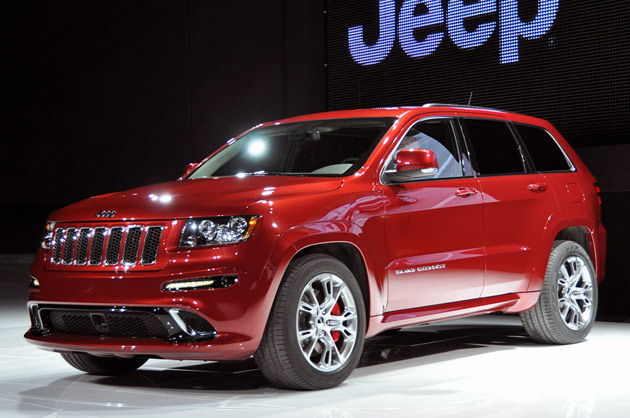
1) 2011-2012 Jeep Grand Cherokee
The 2011-2012 Jeep Grand Cherokee logged 23 recalls with federal regulators between 2011 and 2023, including a massive 2014 campaign covering 634,441 SUVs for faulty fuel pumps that could cause the engine to stall without warning. Separate reporting shows that a part installed in earlier fixes could itself trigger stalling, prompting another recall of 16,305 Jeep Grand Cherokee vehicles. When a core system like fuel delivery keeps reappearing in recall notices, it raises questions about long-term reliability.
Chrysler also recalled 230,760 2011 Jeep Grand Cherokee and Dodge Durango SUVs globally for a fuel pump relay defect, while Jeep Australia flagged 16,305 Grand Cherokee units for a similar relay fault. A recall summary for the 2011 model year notes that Chrysler, FCA, LLC, Dodge Durango and Jeep Grand Cherokee vehicles were repeatedly swept into safety campaigns. With even newer plug-in hybrid Jeeps, about 13,000 units, being recalled by Stellantis for engine issues, you see a pattern that should make any owner vigilant about software updates and recall completion.
2) 2007-2010 Toyota Tundra
The 2007-2010 Toyota Tundra accumulated 15 recalls, and the most alarming involved frame corrosion so severe that the truck’s underpinnings could literally fail. In 2014, Toyota expanded a campaign to cover about 1.7 million Tundra pickups after inspections found rust-corroded frames that could crack or collapse, undermining suspension mounting points and overall structural integrity. When the main frame is compromised, towing, hauling, or even basic highway driving can become risky if the metal gives way under load.
This problem did not exist in isolation, either. Earlier in the decade, Toyota had already recalled 2.3 m vehicles for potentially sticky accelerator pedals, and No Lexus or Scion models were included in that particular action. For a used Tundra shopper, the combination of frame rot and Toyota’s broader unintended-acceleration history makes a thorough inspection and recall verification nonnegotiable before you rely on one of these trucks for work or family duty.
3) 2014-2015 Chevrolet Silverado 1500
The 2014-2015 Chevrolet Silverado 1500 was hit with 18 recalls, and one of the most consequential involved the braking system. In 2016, General Motors launched a sweeping campaign affecting about 3.2 million trucks to address faulty brake vacuum pumps that could suddenly reduce or eliminate power assist, dramatically increasing stopping distances. When a full-size pickup loses brake boost at highway speeds, you may need far more pedal effort than expected, which can easily lead to rear-end crashes or loss of control while towing.
These model years were also entangled in other safety campaigns for electrical issues and seat problems, underscoring how complex modern trucks have become. For owners, the sheer number of recall entries means you cannot assume a single dealer visit fixed everything, especially if you bought the truck used. Verifying that all recall repairs were completed and test-driving the truck in a safe area to feel for any brake irregularities is essential before you put heavy loads or passengers on board.
4) 2009-2011 Ford F-150
The 2009-2011 Ford F-150 racked up 21 recalls, and door-latch failures became a recurring safety theme. A major 2015 campaign covered about 1.2 million trucks for latches that could let doors open while driving, a defect that raised clear ejection and crash risks. Related actions swept in other F-Series models, with Ford recalling about 1.3 m pickups for frozen or faulty latches and a separate action targeting 2015-17 F-150s and 2017 Super Duty trucks.
Earlier, Ford had recalled 280,000 of its popular F-150 pickups because a failure in the door handle could allow the doors to open in a crash, and another report noted that 150 vehicles were involved in a related issue. A later campaign covered 1.48 m F-150s in North America for transmission concerns, showing how frequently this truck appears in safety bulletins. If you own one of these model years, you should treat door and latch behavior as a critical inspection point, not a minor annoyance.
5) 2015-2017 Volkswagen Jetta
The 2015-2017 Volkswagen Jetta was subject to 16 recalls, and the most serious involved Takata airbag inflators. A 2019 expansion added more than 1 million Jettas to the list of vehicles with defective passenger-side inflators that could rupture, sending metal fragments into the cabin during a crash. That risk is not theoretical, as rupturing inflators have been linked to deaths and severe injuries across multiple brands, which is why regulators kept widening the recall net.
Beyond the airbag crisis, these Jettas also faced campaigns for electrical faults and fuel-system issues, reflecting how a compact sedan can still carry complex, failure-prone components. If you are considering a used Jetta from this period, confirming that the Takata inflator has been replaced is vital before you put anyone in the front passenger seat. Even if the car seems to drive perfectly, an unrepaired airbag defect can turn a survivable collision into a catastrophic one.
6) 2004-2008 Nissan Pathfinder
The 2004-2008 Nissan Pathfinder accumulated 14 recalls, with one of the most alarming targeting the steering system. In 2013, Nissan recalled 122,230 Pathfinders because a steering column bracket could fail, potentially causing a sudden loss of steering control. When that bracket cracks or separates, the driver may no longer be able to direct the vehicle, especially during hard turns or emergency maneuvers, which dramatically increases crash risk.
These Pathfinders were also involved in other campaigns for airbag sensors and fuel-system problems, adding to the overall safety burden on owners. A steering-related recall is particularly serious because it affects your ability to avoid hazards even if every other system is working. Anyone shopping for this generation should verify that the steering bracket repair was completed and have a technician inspect the column and front suspension for any lingering play or corrosion.
7) 2010-2013 Honda CR-V
The 2010-2013 Honda CR-V faced 19 recalls, and one of the most troubling involved unintended acceleration. In 2015, Honda recalled about 1.4 million vehicles for sticky accelerator pedals that could fail to return to idle, creating a risk of the vehicle surging forward unexpectedly. The recall documentation linked this behavior to pedal entrapment and mechanical sticking, echoing broader industry concerns about how throttle systems can fail in real-world use.
For a family-focused crossover like the CR-V, any acceleration issue is especially concerning, since many owners use these vehicles for school runs and city driving. Even if the defect is rare, the stakes are high when a car does not slow as expected in traffic or near pedestrians. If you drive one of these model years, you should confirm that the pedal-related recall work was completed and remain alert to any unusual throttle feel or floor-mat interference.
8) 2008-2012 Hyundai Sonata
The 2008-2012 Hyundai Sonata was hit with 17 recalls, and engine failures were at the center of the most sweeping action. In 2013, Hyundai recalled about 1.2 million cars for engine problems that could lead to stalling and, in some cases, fires. Investigators tied the issue to manufacturing debris and oil-flow problems that could cause bearing wear, knocking, and eventual seizure, turning a routine commute into a roadside breakdown or worse.
These engine troubles fed into a broader federal investigation of Hyundai’s handling of fire risks and defect reporting. For owners, the combination of potential engine failure and fire hazard means you cannot ignore warning signs like knocking, metal shavings in the oil, or dashboard lights. Anyone considering a used Sonata from this era should verify recall completion and consider an independent inspection focused on engine noise, oil condition, and any prior warranty engine work.
9) 2016-2018 Tesla Model S
The 2016-2018 Tesla Model S underwent 12 recalls, and even its body hardware has raised safety concerns. In 2021, Tesla recalled about 130,000 vehicles for faulty hood latches that could allow the front trunk to open while driving, blocking the driver’s view. Although Tesla can deploy some fixes through over-the-air software updates, a mechanical latch defect still requires physical inspection and, in many cases, replacement parts.
These Model S years have also been swept into other campaigns involving suspension components, seat belts, and Autopilot-related warnings. For an owner, the mix of software and hardware recalls means you need to stay on top of both digital updates and service-center visits. A malfunctioning hood latch may sound minor compared with drivetrain issues, but if it flies open at highway speed, the resulting loss of visibility can be just as dangerous as a brake failure.
10) 2005-2007 Dodge Ram 1500
The 2005-2007 Dodge Ram 1500 collected 20 recalls, and accelerator problems were among the most serious. In 2008, Chrysler launched a campaign covering about 1.1 million trucks for accelerator pedal issues that could cause unintended acceleration, a defect that can quickly lead to rear-end collisions or loss of control. When a heavy pickup surges unexpectedly in traffic or a parking lot, the margin for error is slim, especially if you are towing or maneuvering in tight spaces.
These Rams were also recalled for suspension and steering defects, compounding the risk profile for owners who use them as workhorses. A truck that might accelerate on its own and also suffer from front-end component failures is not something you want to ignore. Before relying on a used Ram 1500 from these years, you should confirm that all accelerator and steering-related recalls have been addressed and test the pedal response carefully in a controlled environment.
11) 2012-2016 Kia Sorento
The 2012-2016 Kia Sorento was subject to 15 recalls, and engine durability emerged as a major weak point. In 2019, Kia recalled about 268,000 Sorentos for engine bearing wear that could lead to seizure and an increased risk of fire, a defect that often announced itself with knocking noises or metal debris in the oil. Once a bearing fails, the engine can lock up at speed, potentially causing a sudden loss of power and steering assist.
These Sorentos were also involved in other engine-related campaigns tied to the same family of four-cylinder and V6 powerplants. For families who bought these crossovers expecting long-term reliability, the prospect of catastrophic engine failure and fire risk is a serious blow. If you own or are considering one, checking the VIN for recall completion and having a mechanic listen for bearing noise or inspect for sludge is essential before you commit to long highway trips.
12) 2009-2014 Chevrolet Traverse
The 2009-2014 Chevrolet Traverse amassed 22 recalls, and power steering failures were among the most consequential. In 2016, General Motors recalled about 1.3 million vehicles, including the Traverse, for faulty power steering systems that could suddenly cut out, making the vehicle much harder to steer. Losing assist in a large three-row crossover, especially at low speeds or while parking, can catch drivers off guard and increase the likelihood of collisions.
These model years were also pulled into campaigns for seat-belt anchors and airbag wiring, highlighting how family-oriented vehicles are not immune to complex safety defects. For parents using the Traverse as a primary family hauler, a surprise loss of steering assist or compromised restraint system is unacceptable. Before trusting one of these crossovers with daily school runs or road trips, you should verify that all steering and restraint-related recalls have been completed and pay close attention to any warning lights or steering feel changes.
More from Wilder Media Group: