

When you are chasing a car that can realistically reach 400,000 miles, oil changes stop being routine and start feeling like a long-term survival plan. Mechanics know that some of the most durable vehicles on the road hide their oil filters in maddening places, turning simple service into a knuckle-busting chore. Here are 12 specific high-mileage contenders with oil filter setups that many technicians quietly dread working on.
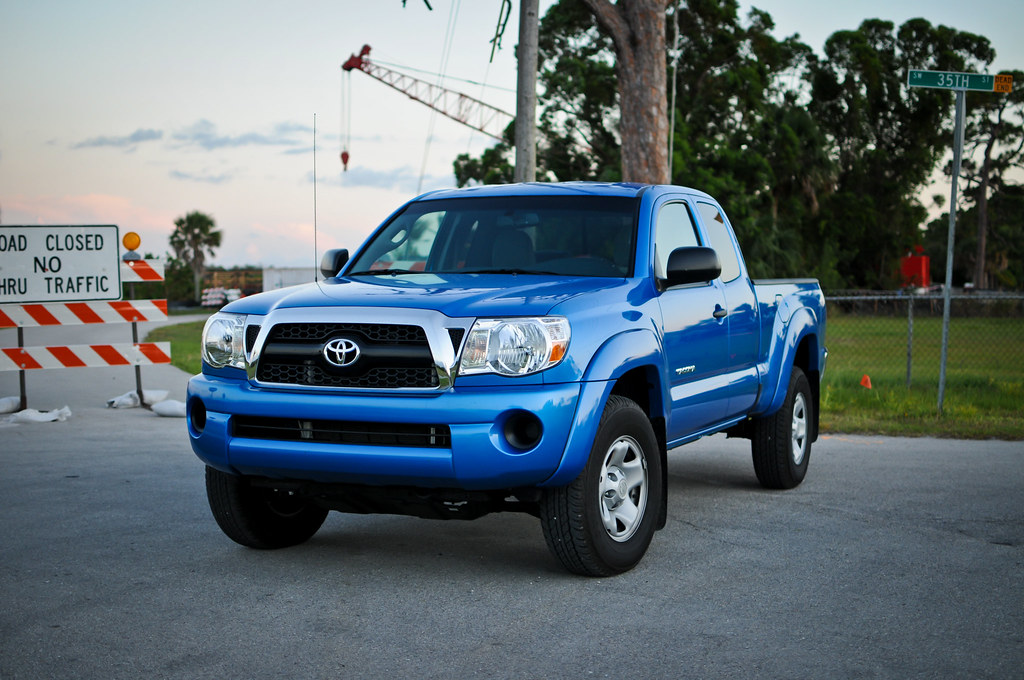
1) Toyota Tacoma V6: Durable Truck, Awkward Cartridge Filter
The Toyota Tacoma, especially V6 models from the mid-2010s, is often cited by mechanics as a truck that can run toward 400,000 miles with basic care, yet its cartridge-style oil filter setup is a frequent complaint. The filter housing sits high in the engine bay, tucked under hoses and brackets, so you often drip oil everywhere when you crack it loose. For a truck that owners expect to keep for decades, that design turns a simple job into a messy ritual.
Mechanics who praise the Tacoma’s long-term reliability also point out that the plastic filter cap can crack if it is over-tightened, forcing you to replace an expensive housing just to finish an oil change. If you are buying a used Tacoma as a long-haul workhorse, it is worth asking whether previous owners used the correct socket and torque. Over hundreds of thousands of miles, that small detail can mean the difference between quick driveway service and repeated shop visits.
2) Toyota 4Runner V6: Long-Life SUV With Tight Filter Access
The Toyota 4Runner with the 4.0-liter V6 is another SUV that mechanics routinely describe as capable of extremely high mileage, but its oil filter location is far from user-friendly. On many model years, the filter is mounted up front and above the skid plate, so you have to remove panels or work around them to reach it. That layout might protect the engine off-road, yet it also traps hot oil and grime, which makes every filter change a dirty, time-consuming task.
Technicians who see 4Runners cresting 300,000 miles say the engines themselves are nearly bulletproof, but they still groan when one rolls in for basic service. The cramped access encourages rushed work, like skipping skid plate reinstallation or leaving residual oil on crossmembers. Over hundreds of thousands of miles, those shortcuts can lead to corrosion, loose hardware, and annoying drips that undermine the SUV’s reputation for trouble-free ownership.
3) Toyota Land Cruiser 200 Series: Legendary Engine, Heavy-Duty Hassle
The Toyota Land Cruiser 200 Series, especially with the 5.7-liter V8, is widely regarded by mechanics as a vehicle that can realistically reach 400,000 miles, but its oil filter setup is not nearly as graceful as its reputation. The filter is buried behind protective covers and often sits above suspension components, so you must juggle splash shields and tight clearances just to spin it off. For a luxury SUV, the process feels more like working on a commercial truck.
Owners who buy a Land Cruiser as a lifetime vehicle often commit to strict maintenance intervals, which means this awkward filter access becomes a recurring frustration. Technicians note that the combination of a large oil capacity and a poorly placed filter increases the chance of spills on bushings and rubber components. Over time, that contamination can accelerate wear, turning a theoretically indestructible platform into one that needs more undercarriage attention than you might expect.
4) Lexus GX 460: Premium Cabin, Problematic Filter Location
The Lexus GX 460 shares much of its hardware with Toyota’s body-on-frame trucks, so mechanics often group it among the SUVs that can run to 400,000 miles with diligent care. However, the GX uses a cartridge-style oil filter that sits in a cramped spot near the front of the engine, partially blocked by underbody panels. For a vehicle marketed as a premium, family-friendly option, the filter service feels surprisingly fussy and unforgiving.
Technicians report that the GX’s filter housing is easy to over-tighten and difficult to remove cleanly, which can lead to stripped threads or broken tabs if the wrong tools are used. Because many GX owners rely on independent shops once the warranty ends, that design raises the risk of inconsistent service quality over a very long lifespan. If you plan to keep a GX 460 into high-mileage territory, budgeting for professional oil changes instead of DIY attempts may be the safest move.
5) Honda Accord 2.4-Liter: Reliable Commuter, Low-Mounted Filter
The Honda Accord with the 2.4-liter four-cylinder engine is a favorite among mechanics who are asked which sedans can realistically approach 400,000 miles, yet its oil filter placement is a recurring sore spot. On many model years, the filter is mounted low on the back of the engine, facing the firewall, so you have to reach up blindly from underneath. That awkward angle makes it easy to burn your forearm on a hot exhaust or smear oil across the subframe.
Because Accords often rack up huge highway mileage as commuter cars, they see frequent oil changes, which multiplies the annoyance. Technicians say the cramped access encourages quick-lube shops to rush, sometimes leaving old gaskets stuck to the block or failing to clean the sealing surface properly. Over hundreds of thousands of miles, those small mistakes can cause slow leaks and premature bushing deterioration, undermining the very longevity that makes the Accord so appealing.
6) Honda Civic 1.8-Liter: Compact Workhorse, Messy Filter Changes
The Honda Civic with the 1.8-liter engine is another compact that mechanics often point to as a realistic 400,000-mile candidate, but its oil filter design is far from ideal. The filter typically sits on the back side of the engine, above the driveshaft and suspension components, so removing it tends to dump oil onto parts you would rather keep clean. For a car that many owners service in their driveway, that layout turns a basic job into a messy balancing act.
Technicians who see high-mileage Civics say the engines tolerate neglect surprisingly well, yet the filter location can discourage owners from sticking to short intervals. When every oil change leaves a puddle on the driveway or a film of oil on the control arms, people are more likely to stretch service beyond what is healthy. Over the long haul, that habit can be the difference between a Civic that sails past 300,000 miles and one that needs major engine work much sooner.
7) Toyota Prius (Gen 3): Hybrid Longevity, Cartridge Filter Frustration
The third-generation Toyota Prius is frequently mentioned by mechanics as a hybrid that can run to very high mileage when maintained properly, but its cartridge-style oil filter is a common complaint. The housing is tucked low and forward in the engine bay, shielded by plastic undertrays that must be removed or flexed out of the way. That design might help aerodynamics, yet it turns a simple filter swap into a multi-step procedure that is easy to botch.
Because many Prius owners focus on fuel savings and long-term durability, they often aim for extended ownership horizons. Technicians warn that the combination of a delicate plastic housing and tight access increases the risk of cross-threading or cracking the cap, especially in quick-service environments. Over the kind of mileage a Prius can realistically achieve, those repeated stresses can lead to leaks, warning lights, and extra repair costs that eat into the car’s efficiency advantage.
8) Toyota Camry 2.5-Liter: High-Mileage Favorite, Skid Plate Obstacle
The Toyota Camry with the 2.5-liter four-cylinder is a staple in conversations about cars that can reach 400,000 miles, yet its oil filter setup on some model years frustrates many technicians. The filter is positioned behind a small access door in the lower engine cover, and the door’s flimsy clips often break after repeated use. Once that happens, the entire skid plate may need to be removed for every oil change, adding time and cost to an otherwise simple service.
Mechanics who see Camrys with odometers deep into six figures say the engines themselves are remarkably robust, but the underbody design feels like an afterthought. Broken access panels can drag on the road or trap debris, which is not what you want on a sedan you plan to keep for decades. If you are shopping for a long-term Camry, inspecting the condition of the lower engine cover can give you a quick snapshot of how carefully it has been serviced.
9) Toyota Corolla 1.8-Liter: Indestructible Reputation, Inconvenient Filter
The Toyota Corolla with the 1.8-liter engine is often held up as a car that can run nearly forever, and mechanics interviewed about which models can realistically reach 400,000 miles frequently mention it. Yet the oil filter on many Corollas is mounted in a spot that is awkward to reach from above or below, wedged near the exhaust and steering components. That placement makes it hard to avoid spilling oil onto hot parts, which can create smoke and lingering odors after every change.
Technicians say the Corolla’s basic engine design is so forgiving that owners sometimes overlook how important consistent, clean oil is to achieving those extreme mileages. When the filter is a hassle to access, people are more likely to delay service or choose bargain filters that are harder to install correctly. Over hundreds of thousands of miles, that combination of inconvenience and corner-cutting can slowly chip away at the Corolla’s legendary durability.
10) Lexus LS 460: Luxury V8, Complex Filter Service
The Lexus LS 460, with its sophisticated V8 and reputation for long-term comfort, is another sedan that mechanics say can run to very high mileage when maintained carefully. However, its oil filter service is more complex than many owners expect. The filter is part of a cartridge system buried under covers and braces, and accessing it often requires removing multiple panels and using a specific tool to avoid damaging the housing.
For a flagship luxury car, that level of complexity turns routine maintenance into a specialized task that many DIY owners simply avoid. Technicians note that when basic service feels intimidating, owners may stretch intervals or rely on shops that are unfamiliar with the exact procedure. Over the long lifespan that an LS 460 is capable of, that pattern can lead to sludge buildup, leaks, and extra repair bills that undercut the car’s value as a long-haul investment.
11) Toyota Sequoia 5.7-Liter: Big SUV, Bigger Filter Headaches
The Toyota Sequoia with the 5.7-liter V8 is often grouped with other full-size trucks and SUVs that mechanics believe can reach 400,000 miles, but its oil filter design is a recurring sore point. The filter is mounted in a tight space near the front suspension, partially obscured by crossmembers and skid plates. That layout forces technicians to work around steering components and hoses, increasing the chance of spills and making it hard to verify a clean seal.
Because Sequoias are frequently used for towing and family road trips, they rack up miles quickly, which means more frequent encounters with that awkward filter. Mechanics warn that repeated sloppy changes can leave oil on bushings and rubber mounts, accelerating wear on parts that are already stressed by heavy loads. For owners who want a Sequoia to serve as a long-term tow rig, budgeting for meticulous, professional oil service is a smart way to protect both the engine and the chassis.
12) Honda CR-V 2.4-Liter: Crossover Mainstay, Firewall-Side Filter
The Honda CR-V with the 2.4-liter engine is a crossover that many mechanics quietly recommend to drivers who want a realistic shot at 400,000 miles, yet its oil filter placement is far from ideal. On several generations, the filter sits high on the back of the engine, facing the firewall, so you must snake your arm through tight gaps or reach up from underneath. That awkward access makes it easy to bump wiring, sensors, or hot exhaust components while you work.
Technicians who see CR-Vs with very high mileage say the engines themselves are robust, but the filter location encourages rushed, imprecise work in busy shops. Over time, that can mean overtightened filters, damaged threads, or residual oil left on mounts and bushings. For owners who plan to keep a CR-V for the long haul, finding a shop that understands the quirks of this layout, and sticking to consistent intervals, is essential to unlocking the crossover’s full durability potential.
More from Wilder Media Group: